Have you ever wondered what happens when the world’s hum of connection fades into silence, leaving an older adult with autism adrift in a sea of solitude? Social isolation isn’t just a fleeting emotion—it’s a quiet epidemic, creeping into lives like fog over a quiet lake. For older adults with autism, this isolation isn’t merely loneliness; it’s a complex interplay of sensory overload, communication barriers, and societal neglect. But what if the key to breaking this cycle lies not in grand gestures, but in the quiet art of community-building? Let’s explore how connection can bloom even in the most unexpected places.
Autism in older adults often goes unnoticed, overshadowed by the louder narratives of childhood diagnosis. Yet, the reality is stark: many seniors with autism have spent decades navigating a world that misunderstands them, leaving them vulnerable to isolation. The first step in addressing this challenge is recognizing the unique barriers they face—sensory sensitivities that make crowded spaces overwhelming, difficulty interpreting social cues, and a lifelong struggle to belong. How do we bridge this gap when the very tools society uses to foster connection—small talk, group activities, unspoken rules—feel like foreign languages?
The Hidden Toll of Isolation: More Than Just Loneliness
Isolation isn’t a passive state; it’s an active eroder of well-being. For older adults with autism, the consequences can be severe—depression, cognitive decline, and even physical health deterioration. Studies show that prolonged isolation increases the risk of heart disease and dementia, but for autistic seniors, the emotional toll is equally devastating. Imagine spending a lifetime craving connection, only to find yourself trapped in a cycle of rejection and misunderstanding. The irony? Many older adults with autism possess deep wells of empathy and insight, yet their voices are often the first to be silenced.
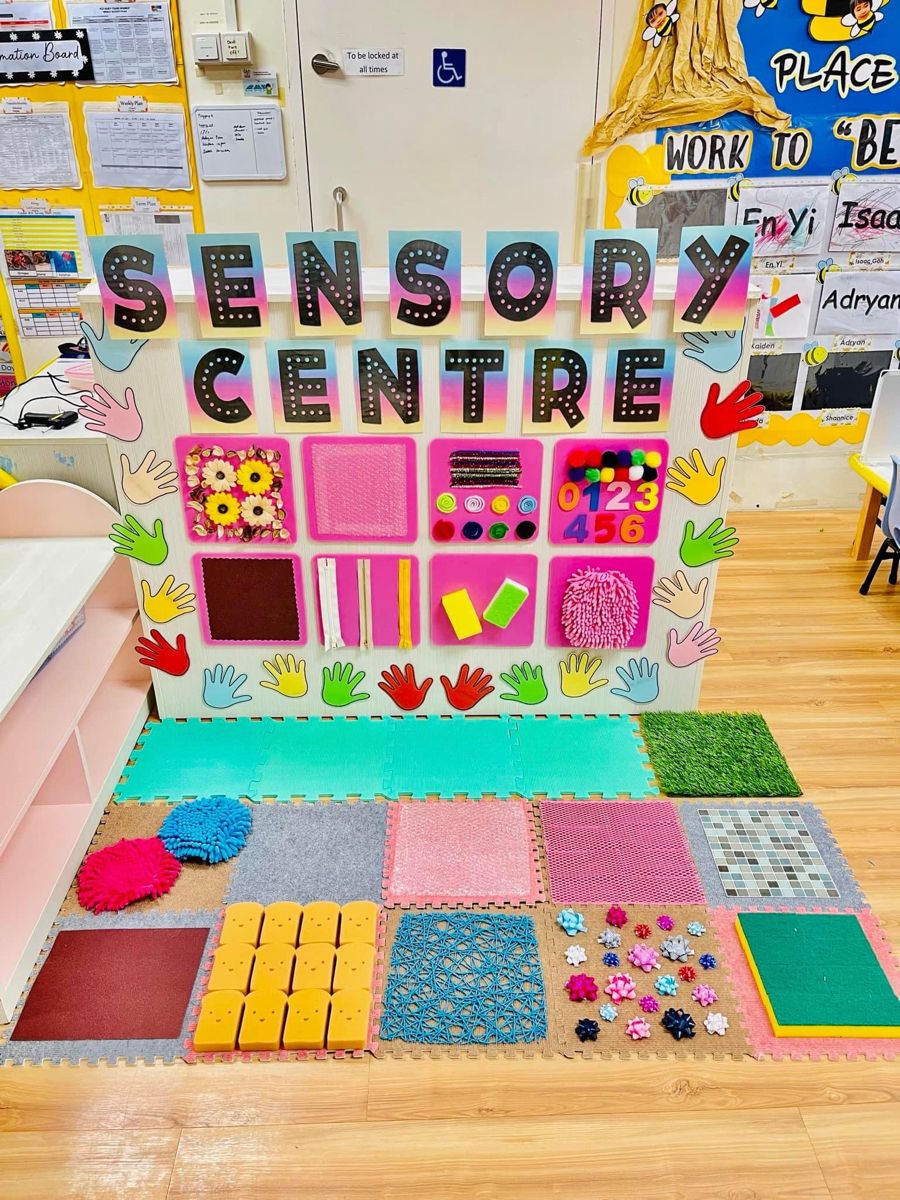
Consider the sensory world they inhabit. A bustling café might feel like a cacophony of clashing sounds, while a simple handshake could send shivers down their spine. For someone with autism, the act of reaching out isn’t just about making friends—it’s about navigating a minefield of potential discomfort. Yet, within this challenge lies an opportunity: what if we reimagined community spaces to be sensory-friendly, where quiet corners and structured interactions replace the chaos of traditional gatherings?
Rethinking Community: Small Steps, Big Impact
Community isn’t built in a day, nor is it forged in grand declarations. It’s cultivated in the small, intentional moments—the neighbor who notices your absence, the local library that hosts quiet reading hours, the gardening club where hands-on activities replace forced conversation. For older adults with autism, these micro-communities can be lifelines. But how do we create them without overwhelming those they’re meant to serve?
One approach is to design activities around their strengths. Gardening, for instance, offers a tactile, predictable rhythm that many autistic individuals find soothing. Art classes, where creativity flows without the pressure of verbal exchange, can be another sanctuary. The key is flexibility—allowing participants to engage on their own terms, whether that means observing from the sidelines or diving in fully. What if the most inclusive communities are those that don’t demand participation, but simply offer a place to exist without judgment?

The Role of Technology: A Double-Edged Sword
In an age where digital connection is ubiquitous, technology presents a paradox. On one hand, it offers a lifeline—video calls, online forums, and virtual support groups can bridge vast distances. On the other, the relentless pace of digital interaction can feel exhausting, even alienating, for those who struggle with overstimulation. How do we harness technology’s potential without exacerbating the very isolation we seek to combat?
The answer lies in curation. Tailored platforms, designed with autistic seniors in mind, can provide a middle ground—structured, low-pressure spaces where interaction is optional and pacing is controlled. Imagine a virtual book club where members can contribute via text or voice message, or a gaming group where collaboration is encouraged but solitude is respected. The goal isn’t to replace human connection, but to supplement it in ways that feel safe and sustainable.
Breaking the Silence: Advocacy and Awareness
Awareness is the first step toward change. Yet, for older adults with autism, visibility is often the greatest hurdle. Their experiences are rarely highlighted in media, and their needs are frequently overlooked in policy discussions. What if we challenged the narrative that autism is solely a childhood condition? What if we demanded that senior centers, healthcare providers, and community organizations receive training in neurodiversity?
Advocacy doesn’t require grand gestures—it starts with listening. Families, caregivers, and friends can become allies by educating themselves, advocating for inclusive spaces, and simply showing up. Even small acts—like inviting an autistic neighbor to a quiet walk or sharing a book they might enjoy—can ripple outward, creating a web of support that grows stronger with each thread.
The Power of Peer Support: You Are Not Alone
There’s a unique magic in shared understanding. Peer support groups, where older adults with autism can connect with others who “get it,” can be transformative. These spaces aren’t about fixing anything; they’re about validation. Imagine a room where no one flinches at stimming, where silence is respected, and where stories are met with nods rather than pity. In these gatherings, isolation loses its grip.
But peer support isn’t just for those who attend—it’s for the broader community. When autistic seniors see others thriving, it plants a seed of hope. It whispers: *You belong here. Your voice matters.* The challenge, then, is to make these groups accessible—offering transportation, sensory-friendly venues, and flexible scheduling to ensure no one is left behind.

Looking Ahead: A Future of Inclusive Belonging
The path to reducing social isolation for older adults with autism isn’t paved with quick fixes. It’s a journey of incremental change—reimagining spaces, challenging assumptions, and cultivating patience. Yet, the rewards are immeasurable. A community where autistic seniors are seen, heard, and valued isn’t just a dream; it’s a possibility within reach.
So, where do we begin? With a single step. A quiet conversation. A willingness to listen. The next time you see someone sitting alone, ask yourself: *What would make this space feel safer for them?* The answer might be simpler than you think—and the ripple effects could change lives.
In the end, building community isn’t about grand declarations or sweeping reforms. It’s about the quiet, persistent act of showing up—day after day, in ways big and small. For older adults with autism, that might just be the most revolutionary act of all.