The human gut is a bustling metropolis of microbial life, a teeming ecosystem where trillions of bacteria orchestrate a silent symphony that echoes far beyond the confines of the digestive tract. This microbial orchestra, known as the microbiome, is increasingly recognized as a pivotal conductor in the complex interplay between gut and brain—a relationship so profound that scientists now speak of the “gut-brain axis” as the body’s second nervous system. Nowhere is this connection more intriguing—or potentially transformative—than in the study of autism spectrum disorder (ASD), where emerging research suggests that the microbiome may hold the key to understanding, and perhaps even alleviating, some of the challenges faced by individuals on the spectrum.
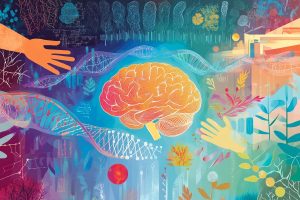
Imagine the brain as a grand cathedral, its stained-glass windows casting light upon the intricate architecture of thought, emotion, and behavior. Now picture the gut microbiome as the unseen choir, its harmonies resonating through the vaulted ceilings, subtly shaping the acoustics of the mind. This metaphor captures the essence of a growing body of science that links microbial imbalances in the gut to neurodevelopmental conditions like autism. While the brain has long been considered the sole arbiter of cognition and behavior, we are now beginning to see it as part of a larger, interconnected system—one where the gut’s microbial inhabitants whisper their influence into the neural networks that define who we are.
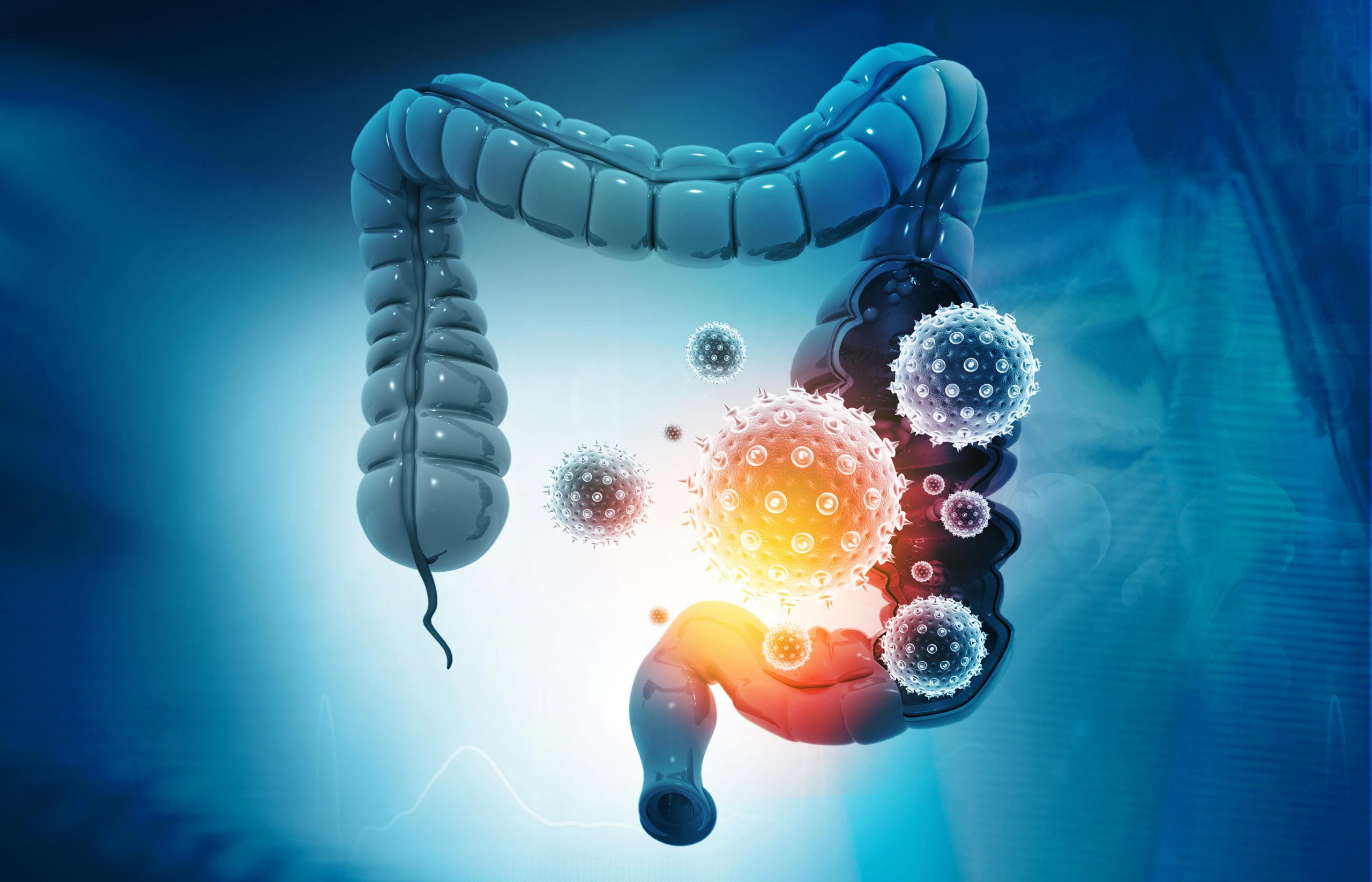
The Gut as the Body’s Second Brain: A Hidden Command Center
The gut has earned its reputation as the “second brain” not merely for its role in digestion, but for its sophisticated network of neurons—the enteric nervous system—that operates with remarkable autonomy. This neural web, embedded in the lining of the gastrointestinal tract, communicates bidirectionally with the central nervous system via the vagus nerve, a superhighway of chemical and electrical signals. Yet, the gut’s influence extends even further through the production of neurotransmitters like serotonin, dopamine, and gamma-aminobutyric acid (GABA)—molecules that are not only vital for mood regulation but also play critical roles in neurodevelopment and synaptic plasticity.
Within this hidden command center, the microbiome acts as both architect and overseer. Certain bacterial species, such as Lactobacillus and Bifidobacterium, are prolific producers of short-chain fatty acids (SCFAs) like butyrate, which nourish the gut lining and modulate immune responses. Others, like Prevotella and Bacteroides, influence the balance of pro- and anti-inflammatory cytokines, thereby shaping the body’s inflammatory tone—a factor increasingly implicated in neurodevelopmental disorders. When this microbial balance is disrupted—a state known as dysbiosis—the consequences may ripple outward, potentially altering neural circuits, synaptic pruning, and even the permeability of the blood-brain barrier.
For individuals with autism, studies have revealed a distinctive microbial fingerprint: reduced diversity in gut bacteria, an overrepresentation of species linked to inflammation, and a paucity of beneficial microbes that produce calming neurotransmitters. This dysbiotic landscape may not cause autism directly, but it could exacerbate core symptoms—such as repetitive behaviors, social difficulties, and sensory sensitivities—by amplifying neuroinflammation and disrupting neural signaling. In essence, the gut may not write the script of autism, but it could be editing the margins, turning up the volume on challenges that the brain struggles to manage.
From Microbes to Minds: The Chemical Conversations That Shape Behavior
Beneath the surface of behavior lies a labyrinth of chemical exchanges, where gut bacteria engage in a silent dialogue with the brain through metabolites that traverse the bloodstream and neural pathways. One of the most compelling examples is the production of tryptophan, an amino acid that serves as the precursor to both serotonin and kynurenine. In a healthy gut, certain bacteria convert tryptophan into serotonin, a neurotransmitter that regulates mood, sleep, and social behavior. However, in a dysbiotic gut, this pathway may be hijacked, leading to an excess of kynurenine—a compound linked to neuroinflammation and cognitive rigidity, traits often observed in autism.
Another key player is the immune system, which, when chronically activated by an imbalanced microbiome, releases cytokines that can cross the blood-brain barrier and interfere with neural development. Elevated levels of interleukin-6 (IL-6) and tumor necrosis factor-alpha (TNF-α) have been detected in both the blood and cerebrospinal fluid of some autistic individuals, correlating with more severe behavioral symptoms. This immunological cross-talk suggests that the gut may act as a Trojan horse, smuggling inflammatory signals into the brain and altering its developmental trajectory.
Moreover, the microbiome influences the production of brain-derived neurotrophic factor (BDNF), a protein essential for synaptic plasticity and learning. Reduced BDNF levels are associated with cognitive and emotional challenges, and emerging research indicates that certain probiotic strains, such as Lactobacillus rhamnosus, can restore BDNF expression in animal models of neurodevelopmental disorders. This raises a tantalizing possibility: could modulating the microbiome be a way to “reopen” critical windows of brain development that have been prematurely closed?
Autism and the Microbiome: A Two-Way Street of Discovery
The relationship between autism and the microbiome is not unidirectional. While early-life dysbiosis may contribute to neurodevelopmental differences, the behaviors and dietary patterns associated with autism can, in turn, perpetuate microbial imbalances. Many autistic individuals exhibit selective eating habits, favoring processed foods high in sugar and low in fiber—nutritional choices that favor the proliferation of inflammatory bacteria while starving beneficial ones. This creates a vicious cycle: a gut environment that fuels neuroinflammation, which then exacerbates behavioral challenges, which in turn reinforces restrictive eating patterns.
Yet, this cycle also presents an opportunity. Dietary interventions, such as gluten-free and casein-free diets, have shown promise in some autistic individuals by reducing gut inflammation and improving behavioral outcomes. Similarly, probiotic supplementation with strains like Bifidobacterium longum and Lactobacillus plantarum has been associated with reductions in anxiety and improvements in social behavior in preliminary studies. Fecal microbiota transplantation (FMT), a more radical approach, has demonstrated remarkable results in animal models, normalizing gut bacteria and reversing autism-like behaviors in mice. While human trials are still in their infancy, the potential is undeniable: the microbiome may offer a non-invasive, personalized pathway to support brain health in autism.

The Future: A Microbiome-Centric Approach to Autism
As we stand on the precipice of a new era in neurodevelopmental science, the microbiome emerges as a frontier of hope and possibility. Researchers are now exploring the use of “psychobiotics”—probiotics designed to target mental health—as adjunct therapies for autism. Early clinical trials are investigating whether tailored microbial interventions can reduce gastrointestinal distress, a common comorbidity in autism, while simultaneously improving behavioral outcomes. The goal is not to “cure” autism, but to alleviate suffering and enhance quality of life by addressing the gut-brain axis as a whole.
Yet, the path forward is not without challenges. The microbiome is as unique as a fingerprint, shaped by genetics, environment, and lifelong habits. What works for one individual may not work for another, necessitating a precision-medicine approach that considers the entire ecosystem of the person—not just their symptoms. Ethical considerations also loom large: could microbiome-based therapies inadvertently pathologize neurodiversity, framing autism as a “disease” to be fixed rather than a natural variation of human cognition? The answer lies in framing these interventions as tools for support, not erasure, empowering individuals and families to make informed choices about their health.
Ultimately, the story of autism and the microbiome is one of interconnectedness—a reminder that the boundaries between “self” and “other” are more porous than we once believed. The gut is not merely a digestive organ; it is a living, breathing extension of the brain, a microbial mirror that reflects and refracts the complexities of human experience. By listening to the whispers of the microbiome, we may uncover new ways to nurture the minds of those who think, feel, and perceive the world differently—and in doing so, we may find that the most profound innovations in brain health begin not in the skull, but in the soil of the gut.
The journey to understand autism and the microbiome is still in its early chapters, but the narrative unfolding is rich with possibility. As science continues to decode the silent conversations between gut and brain, one truth becomes increasingly clear: the key to unlocking the mysteries of the mind may lie not in the stars above, but in the teeming, unseen world within us.