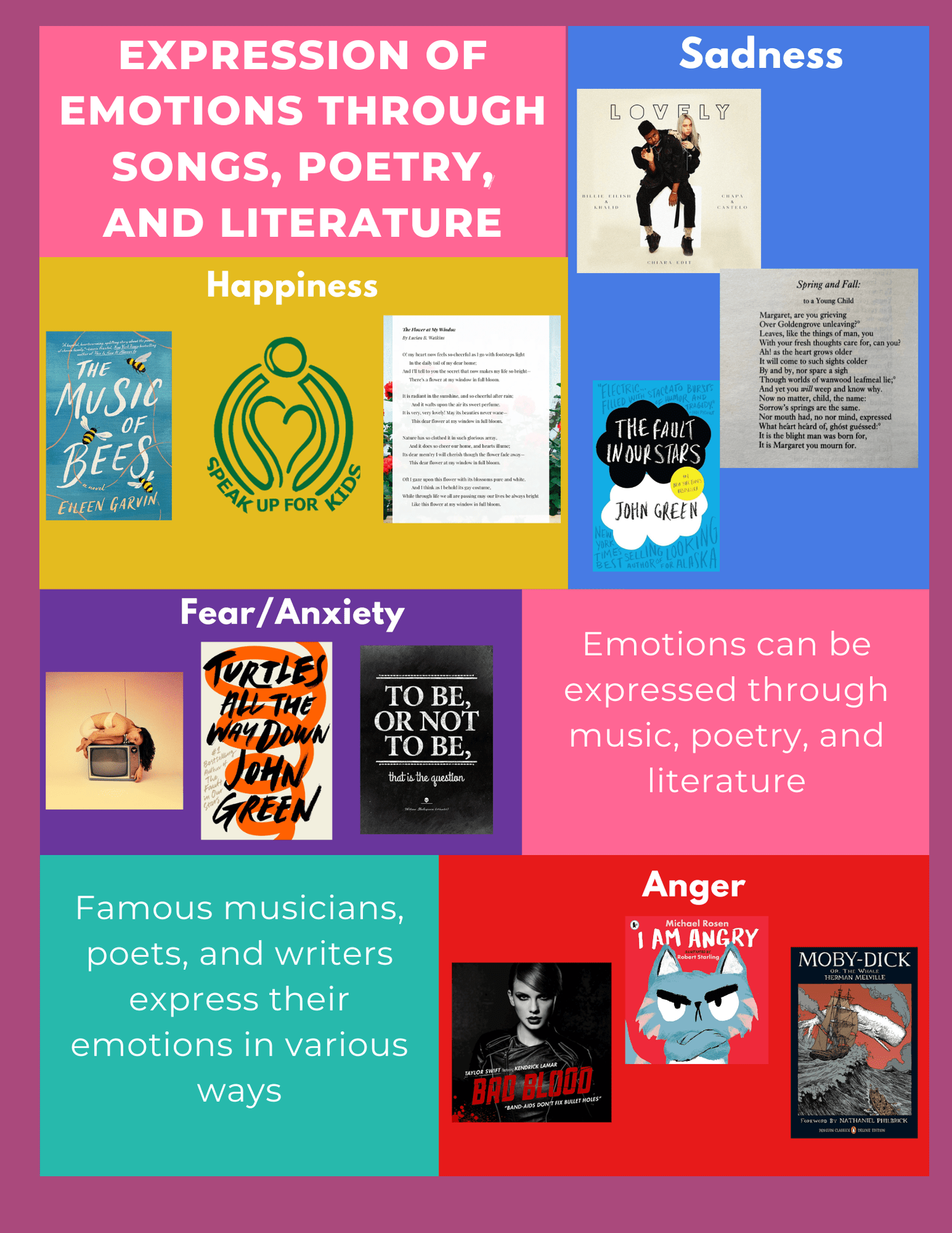
Autism and songwriting are a symphony waiting to be composed—a delicate interplay of silence and sound, where emotions find their voice through melodies that defy conventional expression. For many individuals on the autism spectrum, the act of writing songs becomes more than a creative pursuit; it transforms into a sanctuary, a bridge between the inner world and the external, where words and rhythms coalesce into something tangible. Music, in its purest form, is a universal language, yet for autistic individuals, it often serves as a lifeline, a means to articulate the inexpressible. Songwriting, in particular, offers a structured yet fluid medium through which emotions can be channeled, refined, and shared. It is not merely about crafting lyrics or composing tunes; it is about unlocking doors to self-discovery and emotional liberation.
Consider the metaphor of songwriting as a kaleidoscope. Each turn of the tube reveals a new pattern, a fresh arrangement of colors and shapes that, while rooted in the same fragments, presents an entirely different visual experience. Similarly, the process of writing a song for an autistic individual can be a journey through shifting emotional landscapes. The verses may begin as fragmented thoughts, raw and unfiltered, but as the melody takes shape, these fragments coalesce into a cohesive narrative. The chorus, often the emotional core of the song, becomes a refrain that echoes the deepest sentiments—whether it is joy, frustration, or longing. This metamorphosis from chaos to harmony is not just artistic; it is deeply therapeutic.
 The act of songwriting for autistic individuals is akin to sculpting emotions from clay. The raw material—feelings, memories, and sensory experiences—is molded into a tangible form that can be held, examined, and shared. Unlike verbal communication, which often relies on rapid-fire exchanges and social cues, songwriting provides a slower, more deliberate pace. This allows for introspection and precision, enabling the songwriter to distill complex emotions into concise, evocative phrases. The rhythm of the song acts as a metronome for the mind, guiding the songwriter through the labyrinth of their emotions with a steady, reassuring beat.
The Alchemy of Lyrics: Turning Feelings into Verse
Lyrics are the heartbeat of a song, the words that give voice to the inaudible. For autistic individuals, writing lyrics can be a transformative experience, a way to externalize thoughts that might otherwise remain trapped within. The process often begins with a spark—an image, a memory, or a fleeting emotion—that ignites the creative flame. This spark is then nurtured through repetition and refinement, much like a blacksmith hammering a piece of metal into shape. The initial drafts may be disjointed, filled with abstract imagery or seemingly unrelated ideas, but with time and patience, these fragments evolve into a cohesive narrative.
One of the most intriguing aspects of lyric writing for autistic individuals is the tendency to employ vivid, unconventional metaphors. These metaphors are not merely decorative; they are essential tools for communication, allowing the songwriter to convey emotions that might otherwise be difficult to articulate. For example, a person might describe their anxiety as “a storm trapped inside a glass jar,” capturing the suffocating yet contained nature of their feelings. Such imagery is not just poetic; it is a lifeline, a way to make the intangible tangible. It also invites listeners into a shared emotional experience, fostering empathy and connection.
 The structure of a song—verse, chorus, bridge—provides a comforting framework for autistic songwriters. This structure acts as a scaffold, offering stability and predictability in a world that often feels chaotic. The repetition of the chorus, in particular, can be soothing, a familiar anchor that grounds the songwriter in the emotional core of their creation. Yet, within this structure, there is ample room for experimentation. The melody can swell and recede like the tide, the lyrics can shift in tone and intensity, and the rhythm can pulse with the heartbeat of the songwriter’s emotions. This balance between structure and freedom is where the magic of songwriting truly lies.
The Melody as a Mirror: Reflecting Inner States
If lyrics are the words of the song, then melody is its soul. For autistic individuals, melody can serve as a mirror, reflecting their inner emotional state with startling clarity. A minor key might convey melancholy, while a major key could evoke joy or hope. The tempo of the song can mirror the pace of their thoughts—fast and frenetic for moments of overwhelm, slow and deliberate for times of introspection. This connection between melody and emotion is not just abstract; it is visceral. It allows the songwriter to communicate feelings that words alone cannot capture.
One of the most fascinating phenomena in autistic songwriting is the phenomenon of “synesthetic composition.” Some individuals experience a blending of senses, where sounds evoke colors, shapes, or textures. For these songwriters, composing a melody might involve visualizing a spectrum of hues or feeling the contours of an unseen landscape. This sensory fusion enriches the creative process, infusing the music with layers of meaning that transcend traditional musical notation. The result is a piece of music that is not just heard but felt, a multisensory experience that resonates on a deeply personal level.
 The act of creating melody can also be a form of emotional regulation. For many autistic individuals, music serves as a coping mechanism, a way to process overwhelming emotions or sensory input. By channeling their feelings into a melody, they transform chaos into order, noise into harmony. This process is not just cathartic; it is empowering. It allows the songwriter to take control of their emotions, to shape them into something beautiful and enduring. In this way, melody becomes more than a sequence of notes; it becomes a testament to resilience and creativity.
Collaboration and Community: The Shared Language of Song
While songwriting can be a solitary pursuit, it also holds immense potential for collaboration and community-building. For autistic individuals, the act of creating music with others can be a transformative experience, fostering social connections and a sense of belonging. Group songwriting sessions, whether in therapeutic settings or creative workshops, provide a space where individuals can share their unique perspectives and contribute to a collective creation. This collaborative process can be particularly powerful for those who struggle with traditional forms of communication, as it allows them to express themselves in a way that feels natural and fulfilling.
The dynamics of collaboration in songwriting are akin to a dance, where each participant brings their own rhythm, style, and emotional palette to the table. The challenge—and the beauty—lies in finding harmony amidst diversity. For autistic individuals, this process can be both exhilarating and daunting. It requires patience, active listening, and a willingness to adapt. Yet, when successful, the result is a tapestry of voices and ideas that is far greater than the sum of its parts. It is a celebration of individuality within a shared creative endeavor.
Community songwriting projects, such as those in schools or therapeutic settings, often result in compositions that are deeply personal yet universally resonant. These songs become anthems for the participants, a testament to their collective journey. They also serve as a bridge between the autistic community and the wider world, offering a glimpse into the rich inner lives of those who experience the world differently. In this way, songwriting becomes a tool for advocacy, a means of challenging stereotypes and fostering understanding.
The Ripple Effect: How Songwriting Transforms Lives
The impact of songwriting on the lives of autistic individuals extends far beyond the creative process itself. For many, it is a catalyst for personal growth, a way to build confidence, develop self-awareness, and cultivate resilience. The act of writing and performing a song can be a profound validation of one’s voice and experiences. It sends a message: your feelings matter, your story deserves to be heard. This validation can be life-changing, particularly for those who have spent a lifetime feeling misunderstood or overlooked.
Songwriting also provides a sense of agency and control. In a world that often feels unpredictable and overwhelming, the ability to create something meaningful and enduring is empowering. It allows autistic individuals to assert their presence, to leave a mark on the world in a way that feels authentic and fulfilling. This sense of agency can extend into other areas of life, fostering independence and self-advocacy. It teaches the invaluable lesson that one’s voice—whether through music, words, or actions—has the power to effect change.
The ripple effect of songwriting can also be seen in the relationships it fosters. When an autistic individual shares their music with others, it opens a dialogue, a space for connection and mutual understanding. Family members, friends, and even strangers can gain insight into the songwriter’s inner world, bridging gaps that might otherwise remain uncrossed. This shared experience can strengthen bonds and deepen empathy, creating a more inclusive and compassionate community.
Moreover, songwriting can serve as a gateway to other creative pursuits. The skills honed through the process—discipline, patience, problem-solving—are transferable to countless other endeavors. For some, it might lead to a career in music or the arts. For others, it might simply be a lifelong passion that brings joy and fulfillment. Regardless of the path, the act of creating music leaves an indelible mark, a testament to the power of self-expression.
In the grand tapestry of human experience, songwriting is a thread that weaves together emotion, creativity, and resilience. For autistic individuals, it is more than a hobby or a skill; it is a lifeline, a means of navigating the complexities of the world with grace and authenticity. Through lyrics and melodies, they transform their inner landscapes into something tangible, something that can be shared and celebrated. In doing so, they not only find their voice but also inspire others to listen, to understand, and to connect. The symphony of autism and songwriting is not just a metaphor; it is a reality, a testament to the boundless potential of the human spirit.