Vacations are often envisioned as opportunities for relaxation, adventure, and family bonding. Yet, for families with children on the autism spectrum, the pursuit of a fulfilling trip involves navigating a labyrinth of sensory sensitivities, routine adjustments, and social nuances. The fascination with finding autism-friendly destinations isn’t merely a trend but stems from a profound need to intertwine enjoyment with accessibility and comfort. It is within this blend that families discover the true essence of travel—experiencing new environments without compromise.
Understanding the Unique Travel Needs of Families with Autism
Before delving into specific vacation ideas, it is imperative to recognize the multifaceted challenges faced by families traveling with autistic members. Sensory overload from loud noises, crowds, and unfamiliar surroundings can be overwhelming. Environments that facilitate predictable routines, quiet zones, and sensory-friendly activities help mitigate anxiety. This necessity is why many autism-friendly destinations emphasize adaptability, inclusion, and thoughtful design.
1. Beach Retreats with Sensory Accommodations
Beaches, with their rhythmic waves and open spaces, offer a natural sanctuary. However, the cacophony of seagulls and bustling crowds can be intimidating. Autism-friendly beach resorts provide quiet zones, shaded cabanas, and soft-sand play areas, enabling children to engage without sensory distress.
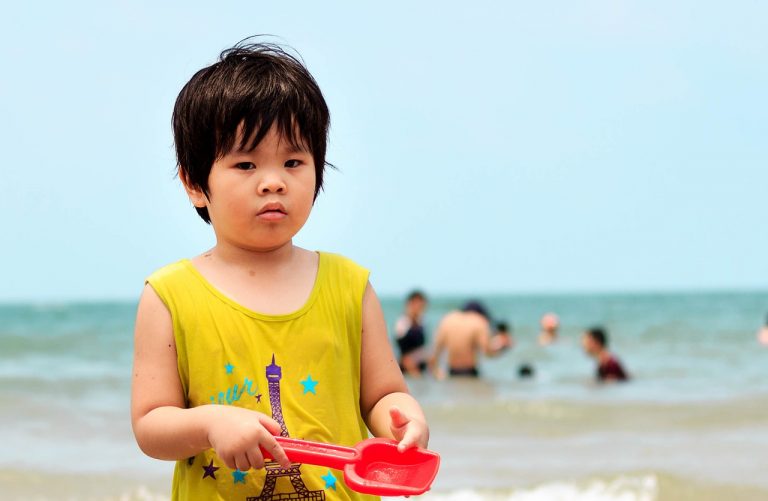
These retreats often incorporate tactile play elements, such as sand tables and water features, encouraging exploration through touch and movement, thereby addressing the kinesthetic tendencies commonly observed in autistic children.
2. Nature-Based Getaways and Forest Therapy
Immersion in nature offers a compelling remedy for sensory overstimulation. Forests, botanical gardens, and tranquil parks create an environment where predictable natural stimuli juxtapose with the soothing rhythms of wildlife and rustling leaves. Such settings enhance sensory integration and encourage mindfulness.
Guided nature walks led by trained naturalists can provide structured exploration opportunities, fostering connection to the environment while respecting the sensory boundaries of each participant.
3. Interactive Museums with Quiet Spaces
Museums dedicated to science, history, or art often offer interactive exhibits that captivate curiosity. Many forward-thinking institutions now incorporate sensory-friendly hours or designated quiet rooms to accommodate visitors requiring a subdued environment.
These controlled environments facilitate learning through tactile and visual stimuli without the encumbrance of overwhelming noise or crowd pressures, allowing autistic individuals to engage deeply with exhibits in a self-paced manner.
4. Accommodations with Sensory-Sensitive Design
The foundation of any successful vacation lies in comfortable accommodations. Hotels and rentals that provide low-lit rooms, soundproof walls, and customizable sensory kits demonstrate an awareness of the importance of restful sanctuaries amid travel adventures.
Incorporating weighted blankets, noise-canceling headphones, and flexible check-in/check-out times are subtle yet meaningful gestures that enhance overall travel satisfaction for families.
5. Immersive Aquarium Visits
Aquariums captivate with their serene, darkened environments and mesmerizing aquatic life. The controlled lighting and soundscapes create an atmosphere conducive to focus and calm.
Many aquariums offer sensory-friendly days, where crowds are minimized, and staff are trained in autism awareness to provide gentle guidance. Such considerations transform marine exploration into an accessible and enchanting experience.
6. Theme Parks with Sensory Accommodations
While theme parks are traditionally bustling arenas of sensory bombardment, several have introduced autism programs. These often include priority access, quiet rooms, and staff trained in communication strategies tailored for nonverbal or sensory-sensitive guests.
By reducing wait times and offering respite areas, families can partake in the thrill of rides and attractions without undue stress, appreciating the nuanced planning that renders excitement attainable.
7. Train Journeys through Scenic Landscapes
Train travel provides a less volatile environment compared to airplanes or crowded buses. The rhythmic sound of the wheels on tracks can be soothing, accompanied by the ever-changing panorama observed through large windows.
Such journeys enable families to maintain routines with minimal disruptions, providing ample space and freedom to move, making the voyage as pleasurable as the destination.
8. Farm Stays and Animal Interaction
Animals often hold a special place in the hearts of autistic children, providing nonjudgmental companionship and sensory engagement. Farm stays that permit gentle animal interactions and open outdoor play are ideal.
These experiences nurture responsibility, empathy, and tactile exploration, creating memorable moments bonded by the simplicity of connection with nature and living creatures.
9. Scientific and Educational Camps
For families inclined toward intellectual engagement, camps focusing on robotics, astronomy, or natural sciences offer tailored programming. These settings often embrace small group sizes, predictable schedules, and hands-on learning.
The structure inherent to these camps dovetails with the preferences of many autism-spectrum individuals, fostering exploration within comfort zones.
10. Accessible Urban Adventures with Planned Downtimes
City vacations need not be overwhelming if carefully planned. Incorporating autism-friendly attractions such as inclusive theaters, sensory gardens, and accessible public transport can transform a metropolitan tour into an enriching journey.
Scheduling regular breaks in quiet spaces ensures that the sensory influx of an urban environment does not become taxing, allowing the family to savor the cultural tapestry of the city at a gentle pace.
11. Mountain Lodges with Calm Retreats
Mountain retreats provide fresh air and expansive views, acting as natural antidotes to overstimulation. Cabins equipped with netflix or audiobook setups offer cozy downtime, while gentle hiking trails allow safe exploration.
The slow pace and serene setting invite a deeper connection to both self and surroundings, fostering relaxation and reflection.
12. Waterpark Visits During Off-Peak Times
Waterparks combine physical activity with sensory stimulation. Opting for less crowded hours and choosing parks with designated quiet zones help mitigate potential anxiety triggers.
Engagement in water play can be particularly therapeutic, supporting proprioceptive input and social interaction within a manageable framework.
13. Guided Art Retreats and Creative Workshops
Art encourages expression beyond words, a therapeutic outlet for many on the spectrum. Retreats and workshops designed with sensory sensitivities in mind provide individualized support, nonjudgmental environments, and adaptive materials.
Such creative pursuits stimulate imagination and emotional processing while respecting sensory preferences.
14. Historical Villages with Interactive Storytelling
Immersive historical experiences grounded in interactive storytelling can captivate attention while maintaining engagement through hands-on activities. These villages typically emphasize small group tours and sensory breaks.
The layered narratives combined with tangible artifacts provide an engrossing learning experience adaptable to various sensory needs.
15. Camping with Specialized Equipment
Camping reconnects families to nature’s fundamentals. Utilizing specialized equipment like sensory tents, portable sound machines, and tactile-friendly gear enables greater comfort and security.
The campfire ambiance and stargazing blend sensory stimulation with calming rituals, nurturing resilience and adaptive skills.
16. Botanical Gardens with Sensory Trails
Botanical gardens that feature sensory trails designed to engage sight, touch, smell, and sound offer multi-layered experiences conducive to relaxation and discovery.
Features such as textured plants, aromatic herbs, and gentle water features invite mindful engagement, making these gardens therapeutic oases.
17. Cruises Offering Autism-Friendly Programs
Several cruise lines now provide autism-friendly programming including specialized menus, quiet spaces, and trained staff to assist families. The contained environment allows for routine maintenance while exploring diverse destinations.
Structured activities coupled with ample downtime create a balanced itinerary suited to varying sensory and social needs.
18. Zoos with Sensory Maps and Quiet Zones
Zoos combining educational encounters with sensory accommodations enhance experiences for visitors on the spectrum. Sensory maps help families navigate quieter paths, while designated rest areas support decompression.
Animal exhibits engage curiosity and nurture empathy in settings that respect sensory tolerances.
19. Ski Resorts with Adaptive Programs
Winter sports resorts equipped with adaptive ski lessons and sensory-sensitive facilities open avenues for physical activity in controlled environments. Offering equipment that provides proprioceptive feedback, these resorts promote confidence and exhilaration.
The winter landscape offers a visually serene but dynamic playground that invigorates body and mind.
20. Wellness Retreats Incorporating Mindfulness and Therapy
Vacations centered on wellness, integrating mindfulness, yoga, and therapeutic modalities, address both sensory and emotional needs. These retreats provide structured yet flexible environments focusing on regulation and self-awareness.
Emphasizing holistic approaches, they foster resilience and equip families with coping mechanisms applicable beyond the vacation context.
Choosing the ideal vacation for families with autism involves more than just destination selection; it requires a tapestry of accommodations, activities, and environments woven together with insight and empathy. Each option fulfills a distinct facet of sensory, social, and emotional considerations, ultimately crafting experiences where joy and comfort coexist harmoniously. Through such thoughtful planning, travel transcends its traditional definition, becoming an empowering journey of connection, discovery, and growth for families seeking meaningful respite.