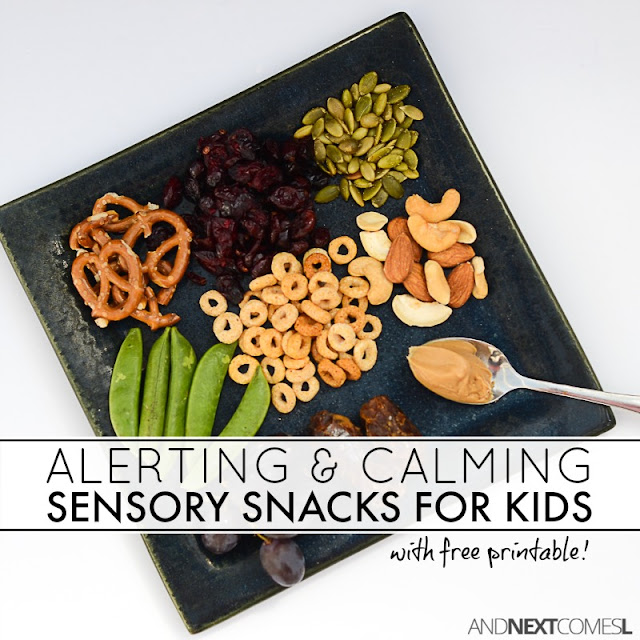
Navigating the world of snacks for autistic children can feel like a culinary expedition—one where textures, flavors, and nutritional needs must harmonize in a way that appeals to both the palate and the senses. For parents, caregivers, and educators, the challenge isn’t just about finding something edible; it’s about discovering options that are nourishing, manageable, and even enjoyable. Autism often brings unique sensory sensitivities, making traditional snack choices a minefield of potential aversions. Yet, with a bit of creativity and insight, it’s possible to curate a selection of snacks that are not only healthy but also enticing and accommodating. This guide explores a spectrum of snack ideas tailored to the diverse needs of autistic individuals, ensuring that every bite is a step toward both satisfaction and well-being.
Sensory-friendly snacks form the cornerstone of this approach, as they address the tactile and gustatory challenges that many autistic children face. These snacks are designed to minimize overwhelming textures or flavors while maximizing nutritional value. Imagine a crunchy apple slice paired with a velvety almond butter dip—a combination that offers both familiarity and novelty without triggering discomfort. Alternatively, consider smoothie bowls, where vibrant fruits blend into a creamy base, topped with granola or coconut flakes for added texture. The key lies in balancing consistency and variety, ensuring that each snack feels safe yet exciting.
For those who prefer minimalist options, single-ingredient snacks can be a godsend. Sliced bananas, cucumber rounds, or steamed carrot sticks provide simplicity without sacrificing nutrition. These choices are easy to prepare, require no elaborate assembly, and offer a predictable experience that can be reassuring. Meanwhile, for individuals who crave more complexity, layered snacks like yogurt parfaits or rice cakes adorned with avocado and cherry tomatoes can introduce a medley of flavors and textures in a controlled manner. The goal is to empower autistic individuals to explore food at their own pace, fostering a positive relationship with eating.
The Art of Texture: Crafting Snacks for Oral Sensitivities
Texture is often the silent disruptor in the snacking experience for autistic individuals. A food’s consistency—whether it’s mushy, crunchy, sticky, or slimy—can make or break its appeal. For those with heightened tactile sensitivities, snacks that are too soft or too hard may be equally unappealing. The solution? A deliberate approach to texture pairing. Consider the humble rice cake: crisp on the outside, yet yielding enough to avoid startling resistance. Top it with a thin layer of hummus or cream cheese, and suddenly, the snack becomes a study in contrast—crunch meets smoothness, a balance that can be deeply satisfying.
For individuals who favor uniformity, snacks like popcorn or pretzels offer a consistent crunch that’s easy to predict. These options can be particularly useful for those who find mixed textures unsettling. On the other end of the spectrum, smooth and creamy snacks like pudding or yogurt provide a soothing experience for those who shy away from anything that feels “lumpy” or “gritty.” The trick is to observe and adapt. If a child recoils from a particular texture, don’t force it—instead, pivot to alternatives that offer a similar nutritional profile but with a more agreeable consistency.
Another innovative approach is the use of “texture bridges,” where a familiar texture is used to ease into something new. For example, if a child enjoys the smoothness of applesauce, gradually introduce small pieces of diced apple mixed in. Over time, this can help desensitize the palate to the fruit’s natural texture. Similarly, blending spinach into a smoothie before adding it to yogurt can help acclimate someone to the taste of greens without the visual or textural shock of whole leaves.
Flavor Profiles: Balancing Taste and Tolerance
Taste preferences in autism can be as varied as the individuals themselves. Some may gravitate toward bold, savory flavors, while others might prefer the subtle sweetness of fruit or the mild tang of yogurt. The challenge lies in creating snacks that align with these preferences without resorting to overly processed or nutritionally void options. One strategy is to leverage natural flavor enhancers. A sprinkle of cinnamon on apple slices can elevate their appeal, while a dash of garlic powder on roasted chickpeas adds depth without overwhelming the senses.
For those who are drawn to salty flavors, consider snacks like roasted edamame or seaweed strips, which offer a satisfying crunch and a burst of umami. These options are not only low in unhealthy fats but also pack a protein punch. Alternatively, for those who crave sweetness, homemade energy balls made from dates, oats, and a hint of cocoa powder can satisfy a sugar craving while providing fiber and minerals. The key is to focus on whole-food ingredients that deliver flavor without the pitfalls of artificial additives.
It’s also worth noting that temperature can play a role in flavor perception. Cold snacks like frozen grapes or chilled cucumber slices can be refreshing and may appeal to those who find warm foods overwhelming. Conversely, warm snacks like baked sweet potato fries or lightly toasted cheese cubes can provide comfort for those who prefer cozy, familiar temperatures. By offering a range of temperature options, you cater to a broader spectrum of sensory needs.
Nutritional Foundations: Building Balanced Snacks
Beyond sensory considerations, the nutritional content of snacks is paramount. Autistic individuals, like all children, require a balanced intake of macronutrients—proteins, healthy fats, and complex carbohydrates—to support growth, energy, and cognitive function. Protein-rich snacks, such as hard-boiled eggs, turkey roll-ups, or cheese cubes, can help stabilize blood sugar and promote satiety. Healthy fats, found in avocados, nuts, and seeds, are essential for brain development and can be incorporated into snacks like trail mix or nut butter-stuffed dates.
Complex carbohydrates, which provide sustained energy, can be sourced from whole grains, fruits, and vegetables. Options like whole-grain crackers with hummus, banana slices with almond butter, or roasted vegetable chips offer fiber and vitamins without the crash associated with refined sugars. For picky eaters, smoothies can be a lifesaver—a blend of spinach, frozen berries, Greek yogurt, and a splash of almond milk creates a nutrient-dense drink that’s easy to consume and hides the taste of less appealing ingredients.
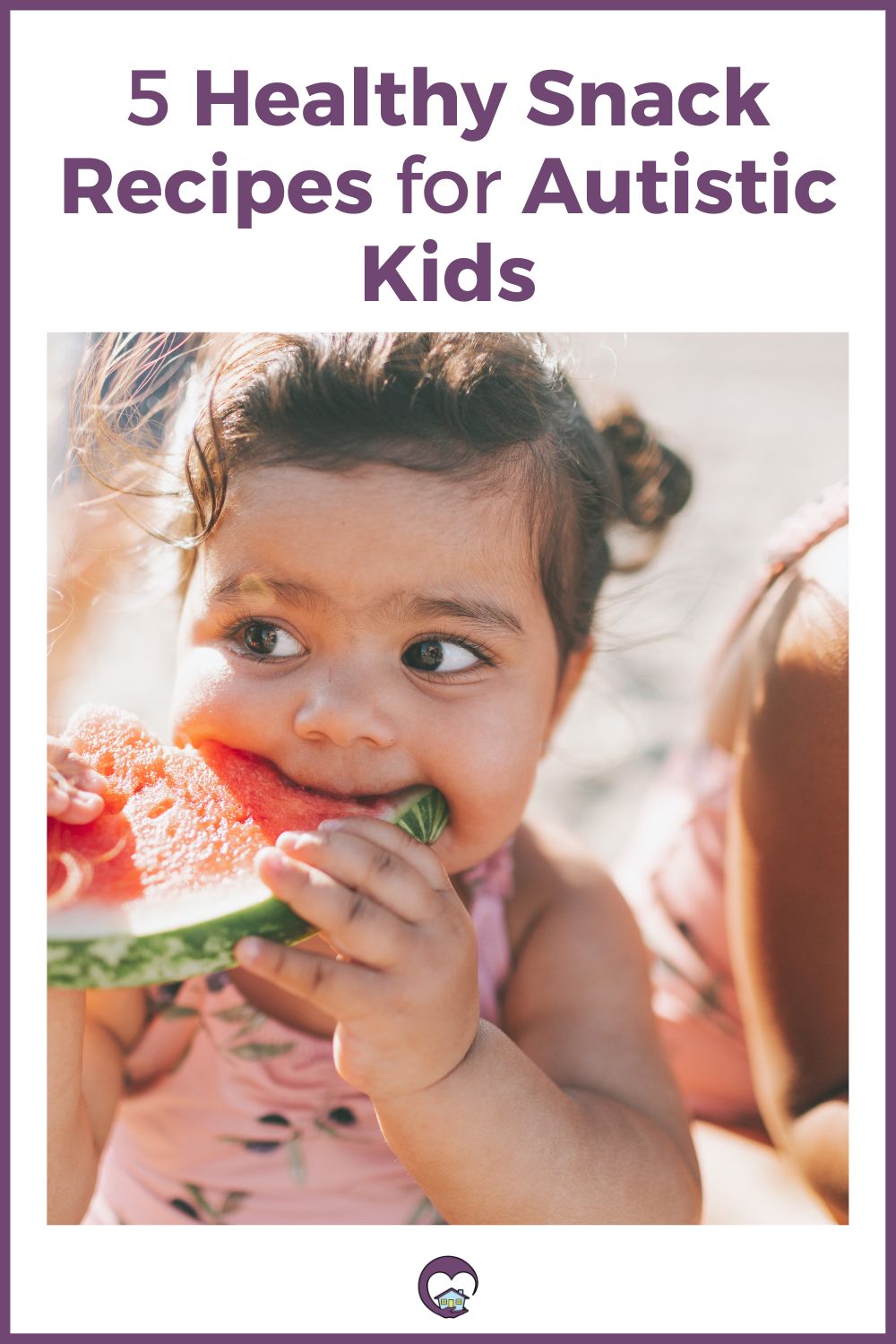
Hydration is another critical aspect often overlooked in snack planning. Pairing snacks with water, herbal teas, or infused water (such as cucumber-mint or berry-lemon) ensures that the body stays hydrated, which is vital for digestion and overall health. For those who struggle with drinking plain water, consider offering hydrating snacks like watermelon cubes or orange segments, which have high water content and can contribute to daily fluid intake.
Cultural and Individual Adaptations: Personalizing the Snack Experience
Snack preferences are deeply personal, influenced by cultural background, family traditions, and individual quirks. What works for one autistic child may not resonate with another, so flexibility is key. For families with specific dietary restrictions—such as gluten-free, dairy-free, or vegan needs—there are plenty of alternatives that don’t compromise on taste or nutrition. Gluten-free oatmeal energy bites, dairy-free chia pudding, or vegan energy bars can be just as appealing as their traditional counterparts.
Cultural snacks can also offer a sense of familiarity and comfort. For example, rice cakes topped with miso paste and cucumber slices might appeal to someone with Japanese heritage, while a child from a Mediterranean background might enjoy olives and whole-grain pita. Introducing these options can help bridge the gap between sensory needs and cultural identity, making mealtime a more inclusive experience.
It’s also important to consider the timing of snacks. For children who struggle with transitions, offering a snack before a challenging activity—such as a therapy session or a school transition—can provide a calming buffer. Similarly, post-activity snacks can help replenish energy and reinforce positive associations with movement and play.
Practical Tips for Snack Preparation and Presentation
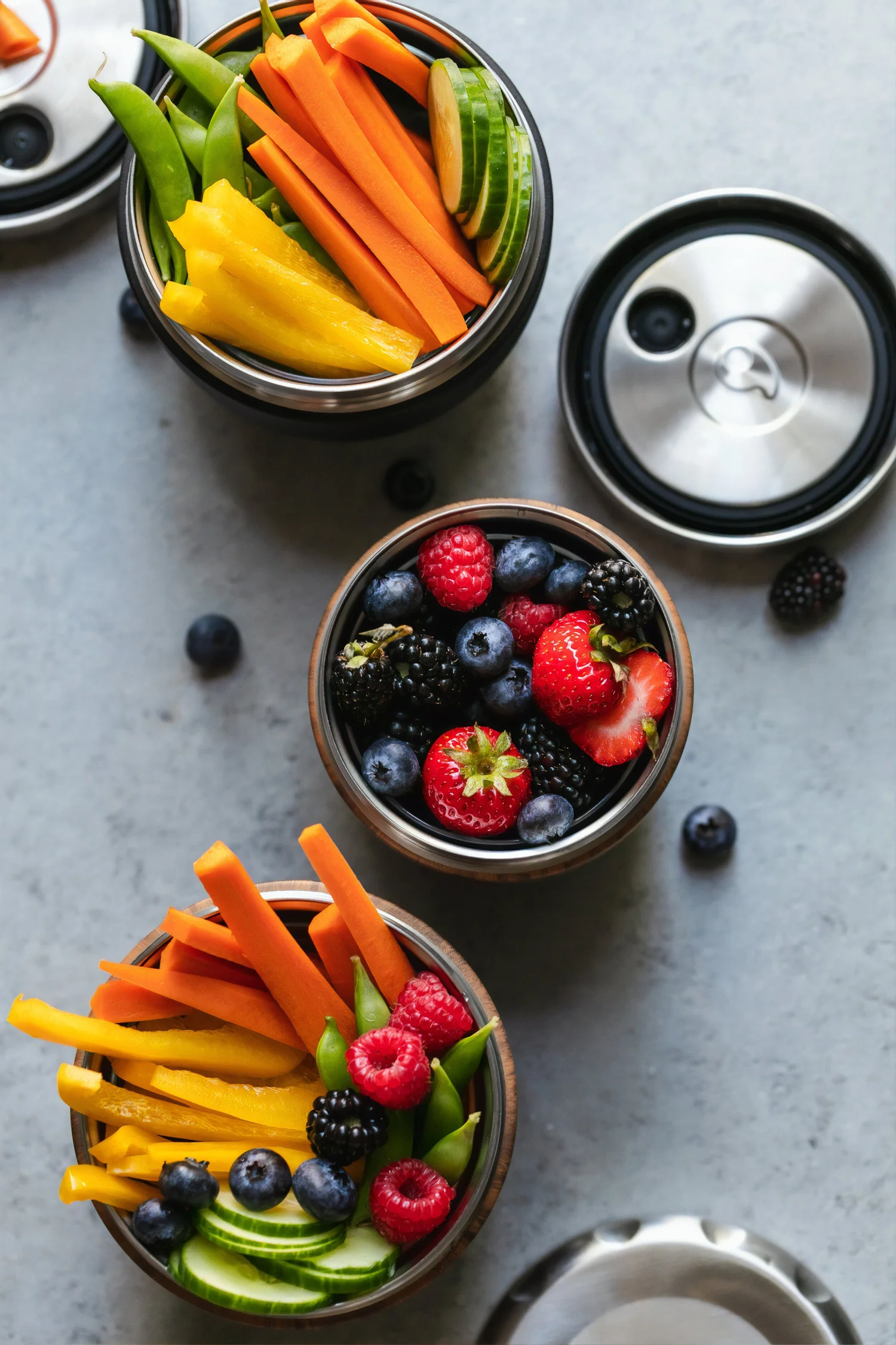
Presentation matters, especially for autistic individuals who may be visually sensitive. A cluttered plate can be overwhelming, so simplicity is key. Use compartmentalized plates or small bowls to separate different snack components, making it easier for the individual to navigate their choices. Color contrast can also play a role—brightly colored fruits and vegetables against a neutral background can make the snack more visually appealing.
Involving the child in snack preparation can foster a sense of ownership and excitement. Simple tasks like washing fruit, stirring ingredients, or arranging snacks on a plate can make the experience more engaging. For those who are hesitant to try new foods, the “one-bite rule” can be a gentle way to encourage exploration without pressure. Offer a small taste of a new snack alongside a familiar favorite, allowing the individual to decide whether to take another bite.
Storage and accessibility are practical considerations that can make or break snack success. Keep snacks in clear, easy-to-reach containers at eye level, so they’re visible and inviting. Pre-portioning snacks into grab-and-go bags can also reduce decision fatigue and make it easier to offer healthy options on the fly. For perishable items, consider freezing portions of smoothie mixes or energy balls to extend their shelf life.

The journey of finding the right snacks for autistic individuals is one of patience, experimentation, and creativity. It’s about more than just filling a nutritional gap—it’s about creating moments of joy, comfort, and discovery through food. By prioritizing sensory needs, balancing flavors and textures, and tailoring options to individual preferences, caregivers can transform snack time from a source of stress into an opportunity for connection and nourishment. Remember, the goal isn’t perfection but progress—a gradual expansion of the palate and a celebration of the small victories that come with every bite.
As you explore these snack ideas, keep an open mind and a willingness to adapt. What works today may need tweaking tomorrow, and that’s okay. The most important thing is to approach the process with curiosity and compassion, recognizing that every individual’s relationship with food is unique. With the right tools and a dash of ingenuity, snack time can become a highlight of the day—a chance to fuel both the body and the spirit.