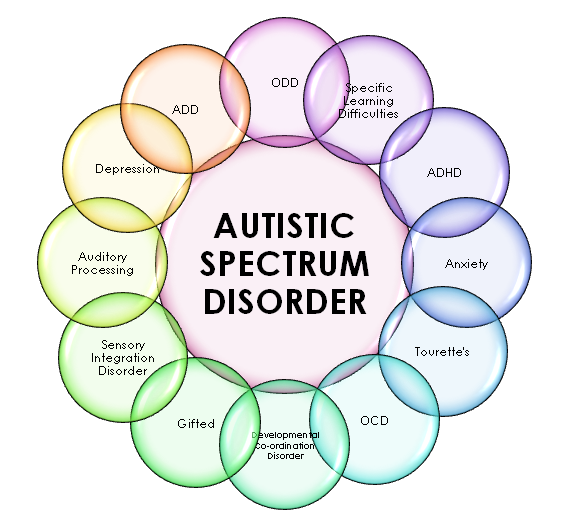
Autism and Storage Solutions: Keeping Toys and Belongings Tidy
For families navigating the intricate landscape of autism, the quest for order often feels like an uphill battle. One of the most persistent challenges lies in managing the sheer volume of toys, books, and personal belongings that accumulate in shared living spaces. Unlike neurotypical children who may tidy up with relative ease, autistic individuals often grapple with executive dysfunction, sensory sensitivities, and a deep-seated need for predictability. These factors can transform the simple act of putting away a toy into a Herculean task, leaving parents and caregivers exhausted and frustrated. Yet, beneath the surface of this struggle lies a fascinating paradox: the same mind that resists conventional organization may also harbor an extraordinary capacity for focus and detail when engaged in structured, meaningful activities. By reimagining storage solutions through an autistic lens, we can create environments that not only curb clutter but also honor the unique ways autistic individuals perceive and interact with their surroundings.
The Neuroscience Behind the Clutter: Why Autistic Brains Resist Conventional Order
To understand why traditional storage methods often fail, we must first examine the cognitive and sensory underpinnings of autism. Executive function—a suite of mental processes including planning, impulse control, and working memory—is frequently impaired in autistic individuals. This impairment can make it difficult to initiate tasks, prioritize items, or follow multi-step instructions, all of which are essential for maintaining tidiness. Additionally, sensory processing differences may render certain storage solutions overwhelming. A brightly colored bin might be visually jarring, while the texture of a woven basket could feel unbearably rough against the skin. These challenges are not indicative of laziness or defiance but rather reflect the brain’s unique wiring.
Moreover, autistic individuals often exhibit intense interests, or “special interests,” which can lead to an accumulation of related items. A child fascinated by dinosaurs may amass a collection of figurines, books, and posters, each one a piece of a larger, deeply meaningful puzzle. Disrupting this collection—even to tidy up—can feel like dismantling a cherished narrative. Recognizing these nuances is the first step toward designing storage solutions that align with autistic needs rather than fighting against them.
Sensory-Friendly Storage: Designing for Comfort and Clarity
Storage solutions for autistic individuals must prioritize sensory comfort above all else. Start by selecting containers with muted colors, soft textures, and smooth edges. Clear plastic bins, for instance, allow for visual organization without overwhelming the senses, while fabric bins with soft interiors can reduce tactile discomfort. Labeling systems should be intuitive and consistent, using pictures or symbols alongside words to accommodate varying literacy levels. For those with auditory sensitivities, avoid storage solutions that produce loud clinks or crinkling sounds when opened or closed.
Another critical consideration is the placement of storage units. Items that are frequently used should be within easy reach, while less frequently accessed belongings can be stored in higher or lower locations. This reduces the cognitive load of decision-making and physical effort required to maintain order. For autistic children who thrive on routine, incorporating storage into daily rituals—such as placing toys in a specific bin after playtime—can provide a sense of predictability and control.
The Psychology of Ownership: Respecting Autistic Relationships with Objects
Autistic individuals often form deep, almost sacred attachments to their belongings. A favorite toy isn’t just an object; it’s a source of comfort, a tool for self-regulation, or a gateway to imaginative play. Disrupting these relationships without understanding their significance can lead to distress. Instead of forcing a child to part with a cherished item, storage solutions should accommodate these attachments. For example, a designated “special interest shelf” can house dinosaur figurines, books, and artwork, allowing the child to curate their own space while still maintaining overall tidiness.
This approach extends to clothing and personal items as well. Autistic individuals may have strong preferences for certain fabrics, colors, or styles, making it difficult to adhere to conventional wardrobe organization. A closet divided into labeled sections—one for soft fabrics, another for favorite colors—can simplify the process of selecting clothing while honoring these preferences. The key is to create a system that feels like an extension of the individual’s identity rather than an external imposition.
Visual Schedules and Routines: Turning Tidying into a Predictable Ritual
For autistic individuals, predictability is a cornerstone of emotional well-being. Visual schedules can transform the abstract concept of “tidying up” into a concrete, step-by-step process. A simple chart with pictures of each task—e.g., “put books on the shelf,” “place toys in the bin”—can provide the structure needed to complete the task independently. Pairing this with a timer or a song can further reinforce the routine, making it feel more like a game than a chore.
Routines should be introduced gradually and tailored to the individual’s needs. Some autistic individuals may benefit from breaking tasks into smaller, manageable chunks, while others may prefer to tackle everything at once. The goal is to create a system that feels intuitive and rewarding, rather than punitive or overwhelming. Over time, these routines can become second nature, reducing the mental effort required to maintain order.
Collaborative Storage: Involving Autistic Individuals in the Process
One of the most effective ways to ensure storage solutions are successful is to involve autistic individuals in the design process. This might mean allowing them to choose the colors of their storage bins, the labels they prefer, or even the location of their belongings. When individuals feel a sense of ownership over their environment, they are more likely to engage with it positively. This collaborative approach also fosters a sense of autonomy and self-efficacy, which are crucial for long-term success.
For parents and caregivers, this means shifting from a top-down approach to one that prioritizes collaboration and mutual respect. It’s not about imposing order but about co-creating a space that works for everyone. This can be challenging, especially when faced with resistance or frustration, but the long-term benefits—reduced stress, increased independence, and a more harmonious home environment—are well worth the effort.
Technology and Innovation: The Future of Autism-Friendly Storage
As technology advances, so too do the possibilities for autism-friendly storage solutions. Smart bins equipped with sensors can alert individuals when items are out of place, while apps can provide visual reminders and step-by-step guides for tidying up. Voice-activated assistants can offer gentle prompts, such as “It’s time to put your toys away,” reducing the need for verbal reminders. These innovations hold immense promise for making storage solutions more accessible and effective.
However, it’s important to strike a balance between technology and simplicity. Not all autistic individuals will respond well to digital solutions, and some may find them overstimulating. The best storage systems are those that can adapt to the individual’s needs, whether that means incorporating cutting-edge technology or sticking to low-tech, tactile solutions.
Ultimately, the goal of autism-friendly storage is not perfection but harmony. It’s about creating a space where autistic individuals can thrive, where their unique needs are met with creativity and compassion, and where the act of tidying up feels less like a chore and more like an extension of their identity. By embracing these principles, we can transform the daunting task of organization into an opportunity for growth, independence, and self-discovery.