Autism and aging together paint a complex and nuanced canvas, a tapestry woven with threads of resilience, identity, and evolving needs. Much like a river that meanders through varied landscapes—sometimes tranquil, at other moments tumultuous—the journey of an autistic individual as they grow older unfolds with distinctive challenges and remarkable strengths. To navigate this river requires insight, empathy, and tailored approaches, illuminating the path toward a fulfilling later life.
The Unique Landscape of Aging with Autism
Aging is a universal expedition, marked by inevitable physiological, cognitive, and social transformations. For autistic individuals, however, this journey diverges at several junctures, shaped by the neurodiverse wiring of their minds and the mosaic of their experiences. Autism is far from a monolith; it is a spectrum, a constellation of unique traits that manifest differently across individuals. This heterogeneity renders aging an exceptionally individualized experience, demanding bespoke frameworks of support.
Neurological and sensory differences inherent to autism often persist or evolve with age, influencing daily functioning. Sensory sensitivities might intensify or attenuate, making adaptations in living environments essential. Cognitive patterns likewise shift; some may experience an amplification of executive functioning challenges or novel social deficits. Compounding these transitions is the potential underdiagnosis or misdiagnosis in older adults, where autism blends subtly with or is overshadowed by age-related conditions such as dementia or depression.

Intersection of Aging and Autism: Health and Mental Well-being
Physical health concerns often become more pronounced with advancing years, yet for autistic seniors, the landscape is peppered with additional complexities. Research highlights increased risks of co-occurring medical conditions, including cardiovascular disease, gastrointestinal issues, and sleep disturbances. The intertwining of these concerns can exacerbate challenges, especially when healthcare systems lack nuanced awareness of autism in the aging population.
Mental well-being also demands careful attention. Many autistic individuals face heightened risks of anxiety, depression, and social isolation—elements that may intensify with the social changes and losses commonly encountered in later life. The labyrinth of sensory overload or under-stimulation potentially disrupts equilibrium, calling for tailored interventions that respect individual sensory profiles.
Social Connectivity: The Double-Edged Sword
The social fabric around aging autistic adults is often delicate, woven with threads of longstanding friendships, family dynamics, and community engagement—or the lack thereof. Social isolation is a significant hazard, amplified by communication challenges, neurodiverse social preferences, and societal stigma.
However, within this nuanced network, there lies a unique appeal—the potential for deeply meaningful connections formed on mutual understanding and respect. Programs designed to foster inclusive social interactions, peer support groups, and community engagement initiatives serve as lifelines, nurturing a sense of belonging and purpose. Such connections can become anchor points in an otherwise disorienting sea of change.
Home and Environment: Tailoring Spaces for Comfort and Autonomy
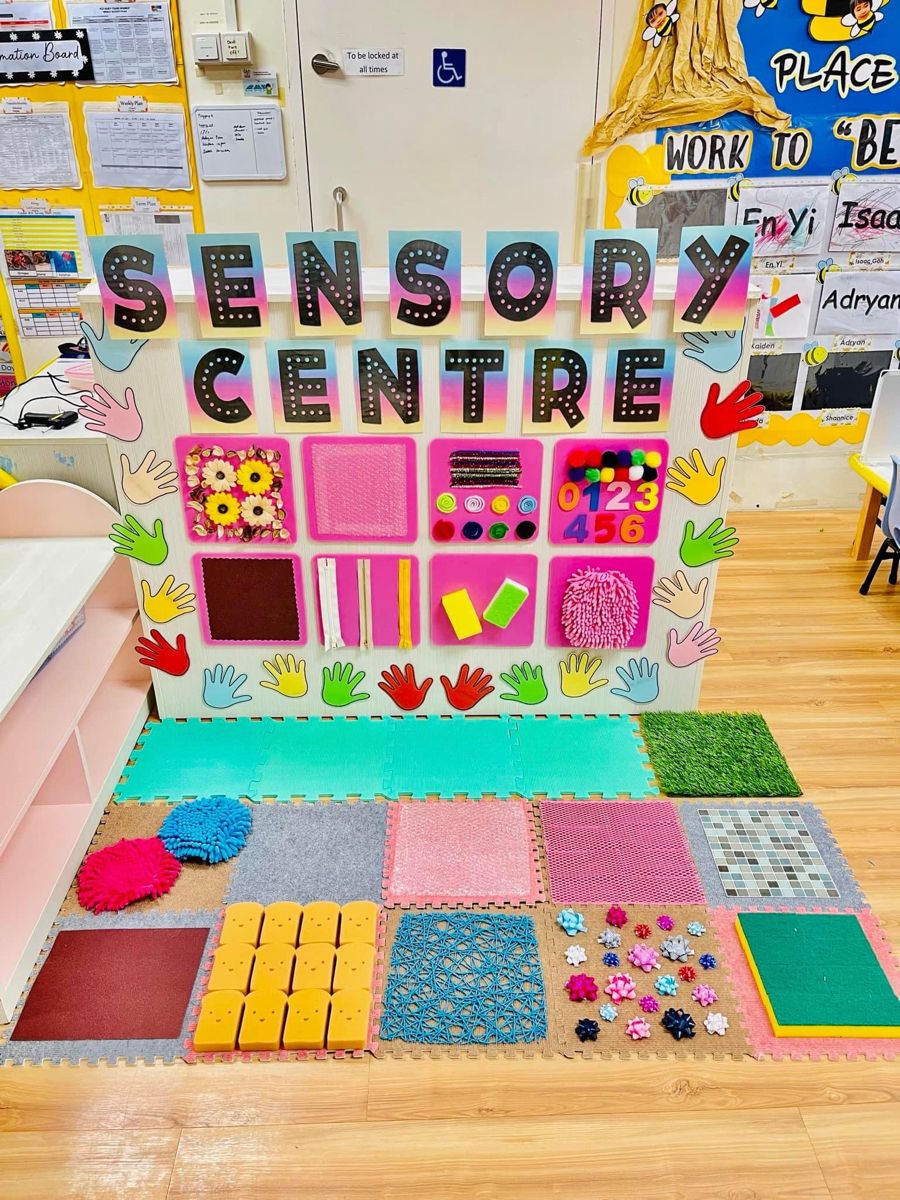
The living environments of aging autistic adults must transcend traditional models of elder care. These environments should be shaped like a sanctuary—meticulously attuned to sensory needs and routines that foster calm and autonomy. Consider, for example, the power of spatial organization, lighting, noise control, and tactile elements to either soothe or stimulate the senses.
Innovative housing solutions blend universal design with neurodiverse accommodations, creating spaces that promote independence while offering safety nets. This might include quiet zones for sensory breaks, consistent daily schedules displayed visually, or smart technologies to support memory and orientation. By reimagining home as a bespoke habitat, these solutions honor the integrity and dignity of the individual.

Therapeutic Approaches: Evolving Support for Aging Brains
The spectrum of effective therapies often shifts as autistic individuals age. While early interventions focus keenly on skill acquisition and behavioral therapies, supports in later life embrace maintenance, adjustment, and enhancement of quality of life. Cognitive therapies might address emerging memory or executive dysfunctions, while occupational therapy adapts to changing sensory or motor capabilities.
Psychological interventions, designed with sensitivity to autistic communication and cognition, help manage mental health challenges. The integration of alternative therapies—mindfulness, art, music, and movement—can invigorate emotional expression and relieve stress. Crucially, the therapeutic relationship evolves into a partnership anchored in trust, recognizing the autonomy and wisdom gained with age.
Systemic Challenges and Pathways Forward
Despite growing awareness, systemic gaps remain. Healthcare providers and social services frequently lack specialized training to address the intersection of autism and aging, leading to fragmented or inadequate care. Policies and frameworks geared toward the elderly rarely consider neurodiversity, and autism-focused resources often concentrate on childhood and young adulthood.
Addressing these fissures calls for cross-disciplinary collaboration, inclusive policymaking, and community engagement. Increasing research devoted to aging autistic populations will shed light on optimal care models. Meanwhile, education and training programs for caregivers and professionals cultivate empathy and expertise. Empowerment of autistic seniors themselves, through advocacy and participatory roles, ensures that solutions are not imposed but co-created.
In many ways, autism and aging together resemble an aged tree—its roots deep, its branches sprawling in unexpected directions, its bark bearing marks of time and experience. This tree may weather storms differently but stands resilient, offering shade and beauty through its singular existence. As society comes to recognize and embrace this metaphor, the cultivation of environments, therapies, and support systems attuned to aging autistic individuals will flourish—ushering in an era where uniqueness is celebrated at every stage.