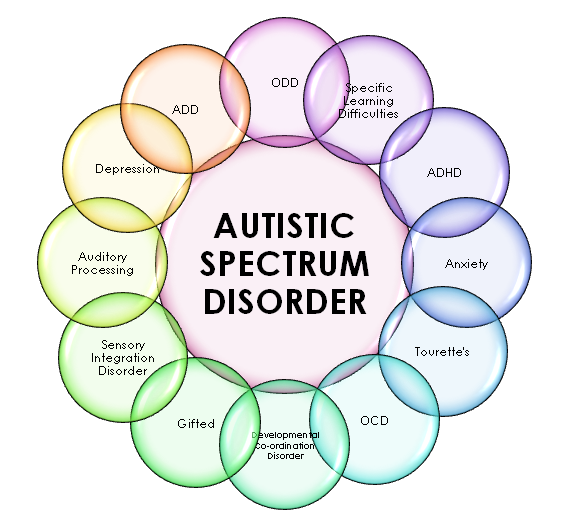
Autism Spectrum Disorder (ASD) is a complex neurodevelopmental condition characterized by a spectrum of challenges in social interaction, communication, and behavior. While the exact causes of autism remain under rigorous scientific scrutiny, emerging research suggests a potential link between autism and immune system dysregulation, particularly in how the body responds to allergens. Food and environmental triggers may exacerbate certain behavioral and physiological symptoms in individuals with autism, prompting a deeper exploration of this intricate relationship. Understanding these connections is not merely academic—it holds the promise of improving quality of life, refining therapeutic interventions, and fostering more personalized care strategies for those navigating the autism spectrum.
For families, caregivers, and individuals with autism, identifying and managing potential allergens can feel like navigating a labyrinth of uncertainty. The interplay between immune responses and neurological function introduces a layer of complexity that demands both scientific insight and practical wisdom. This article delves into the nuanced connections between autism and allergies, examining the types of triggers that may influence behavior and well-being, the mechanisms underlying these reactions, and evidence-based strategies for mitigation. By illuminating this often-overlooked aspect of autism care, we aim to empower readers with knowledge that can transform daily experiences into opportunities for growth and comfort.
The Immune System’s Role in Autism: A Delicate Balance
The human immune system is a marvel of biological engineering, designed to protect the body from pathogens while maintaining harmony within its own intricate networks. In individuals with autism, this balance may be disrupted, leading to an overactive or dysregulated immune response. Research indicates that up to 30% of children with autism exhibit signs of immune dysfunction, including elevated levels of pro-inflammatory cytokines and antibodies targeting specific tissues. This phenomenon, often referred to as neuroinflammation, suggests that the brain and immune system may communicate in ways that influence both neurological and behavioral outcomes.
One of the most compelling theories posits that mast cells—immune cells that release histamine and other mediators in response to allergens—play a pivotal role in this dynamic. In autism, mast cells may become hyper-responsive, triggering inflammatory cascades that affect neural circuits. This could explain why some individuals with autism experience heightened sensitivity to environmental stimuli, such as pollen, dust mites, or certain foods. The resulting inflammation might contribute to symptoms like irritability, sleep disturbances, or even regression in developmental milestones. Understanding this immune-neurological interplay is crucial for developing targeted interventions that address the root causes rather than merely the symptoms.
Food Allergies and Sensitivities: Unraveling the Dietary Puzzle
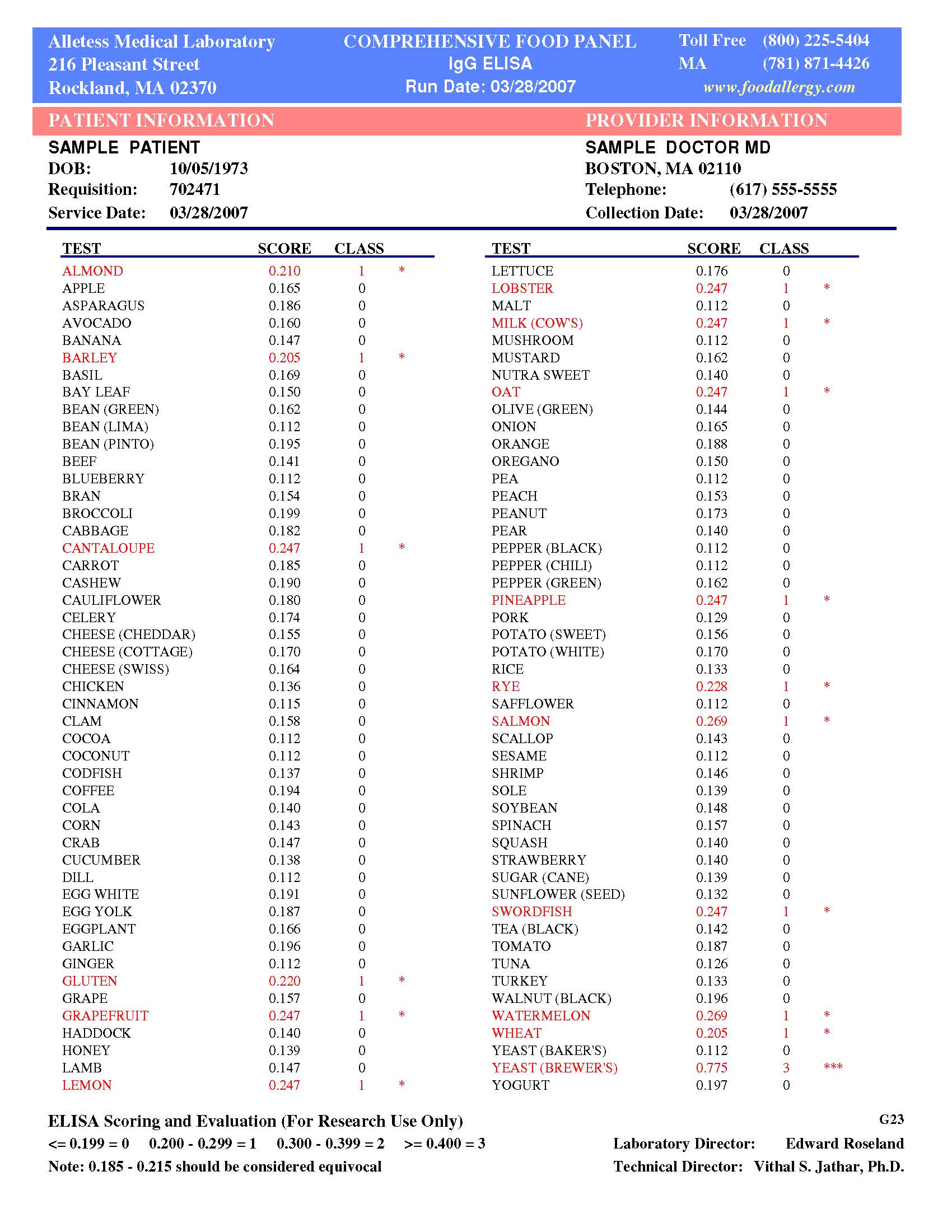
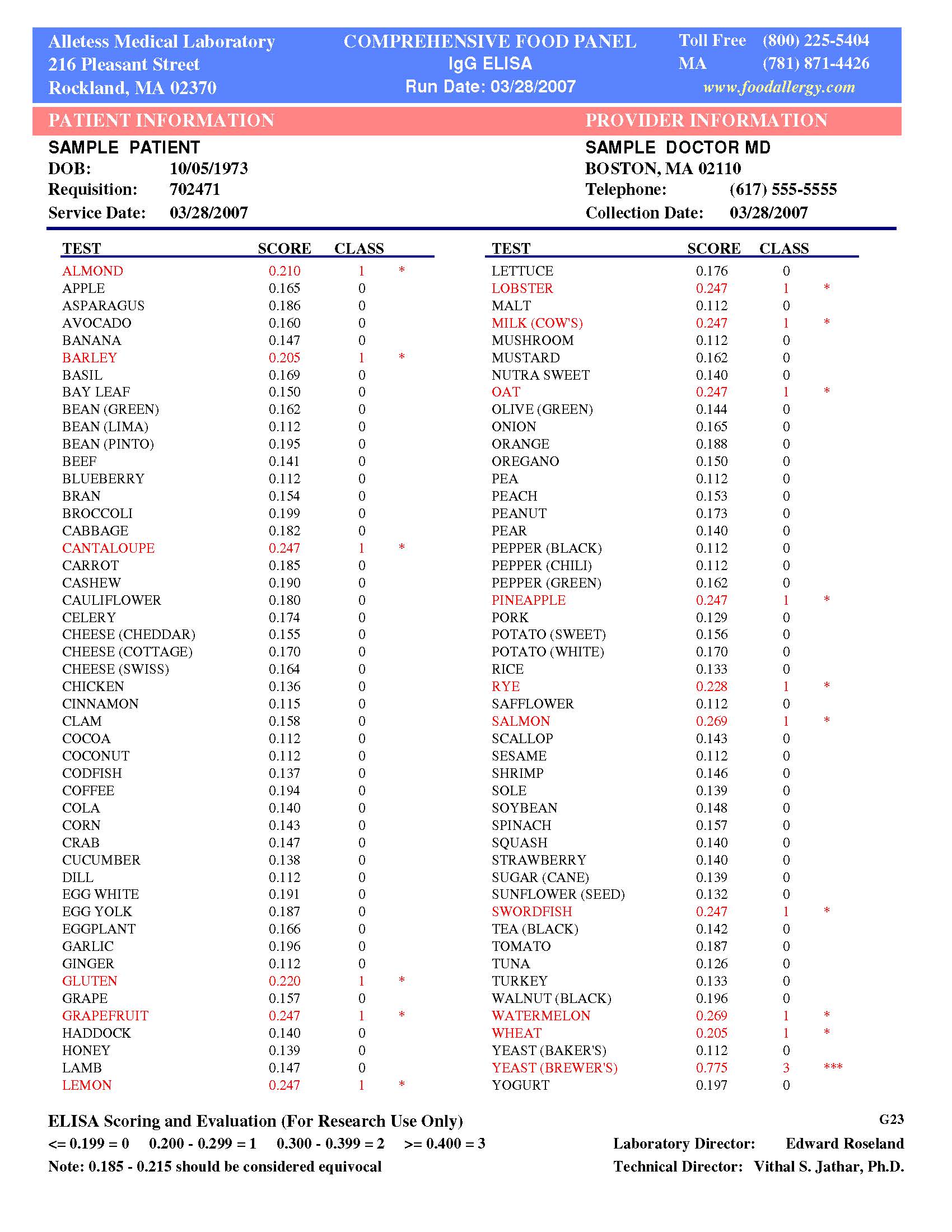
Dietary triggers are among the most frequently cited culprits in the exacerbation of autism-related symptoms. While true food allergies—mediated by IgE antibodies—are relatively rare, food sensitivities and intolerances are far more common and often overlooked. These reactions, which may not produce immediate, overt symptoms like hives or anaphylaxis, can manifest as subtle yet persistent behavioral changes, digestive discomfort, or cognitive fog. Common offenders include gluten, casein, soy, and artificial additives like food dyes and preservatives.
Gluten and casein, in particular, have garnered significant attention due to their structural similarities to opioids. When incompletely digested, these proteins may form peptides that cross the gut barrier and interact with opioid receptors in the brain. This interaction could theoretically contribute to the opioid excess theory of autism, which suggests that certain peptides mimic the effects of endogenous opioids, leading to altered pain perception, social withdrawal, or repetitive behaviors. While the evidence remains mixed, anecdotal reports and some clinical studies highlight improvements in focus, language, and behavior when these substances are eliminated from the diet.
Beyond gluten and casein, other dietary components may also play a role. Artificial colors and flavors, for instance, have been linked to increased hyperactivity in children, both with and without autism. A 2007 study published in *The Lancet* found that eliminating artificial additives from the diet reduced hyperactive behaviors in a general population of children. For individuals with autism, who may already struggle with sensory processing, these additives could amplify existing challenges. Parents and caregivers often turn to elimination diets, such as the gluten-free, casein-free (GFCF) diet or the specific carbohydrate diet (SCD), as a first-line strategy to identify and remove potential triggers.
Environmental Allergens: The Invisible Triggers
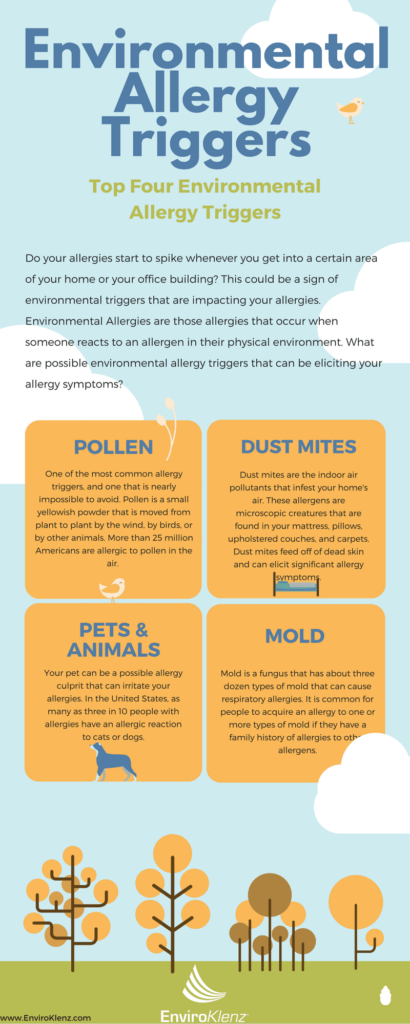
The environment is a vast and often invisible landscape of potential allergens that can subtly—or not so subtly—impact individuals with autism. Unlike food allergies, which are typically ingested, environmental allergens are inhaled, absorbed through the skin, or even encountered through direct contact. Pollen, mold spores, dust mites, pet dander, and volatile organic compounds (VOCs) from cleaning products or building materials are among the most common culprits. For someone with autism, exposure to these triggers may not only cause physical symptoms like sneezing or itching but also exacerbate behavioral challenges such as aggression, anxiety, or sensory overload.
Mold, in particular, has emerged as a significant concern in the autism community. Certain types of mold, such as Stachybotrys chartarum (black mold), produce mycotoxins that can disrupt neurological function and trigger immune responses. In a 2016 study published in *Environmental Health Perspectives*, researchers found that children with autism were more likely to have been exposed to higher levels of mold in their early years compared to neurotypical peers. The presence of mold in homes or schools may contribute to chronic inflammation, fatigue, and cognitive difficulties, all of which can compound the challenges faced by individuals with autism.
Another environmental factor to consider is electromagnetic hypersensitivity (EHS), though its connection to autism remains controversial. Some individuals with autism report heightened sensitivity to electromagnetic fields (EMFs), such as those emitted by Wi-Fi routers, cell phones, or fluorescent lighting. While mainstream science has yet to confirm a direct link between EMFs and autism, anecdotal accounts suggest that reducing exposure to these fields can alleviate symptoms like headaches, irritability, or sleep disturbances. For families exploring environmental triggers, conducting a thorough home assessment—including air quality testing, mold inspections, and EMF measurements—can provide valuable insights into potential sources of discomfort.
Behavioral and Physiological Manifestations: Connecting the Dots
The relationship between allergies and autism is not merely theoretical; it manifests in tangible ways that affect daily life. For some individuals, allergic reactions may trigger sensory sensitivities, making certain textures, sounds, or lights unbearable. Others may experience gastrointestinal distress, such as bloating, constipation, or diarrhea, which can lead to increased irritability or withdrawal. In more severe cases, chronic inflammation from untreated allergies may contribute to neurodegenerative-like symptoms, including regression in speech or motor skills.
One of the most challenging aspects of this connection is the delayed onset of symptoms. Unlike a sudden allergic reaction to peanuts, for example, the effects of environmental or dietary triggers may take hours—or even days—to become apparent. This makes it difficult to pinpoint the cause without systematic observation and elimination trials. Parents and caregivers often keep detailed symptom journals, tracking diet, environment, and behavior to identify patterns. Tools like the Autism Treatment Evaluation Checklist (ATEC) or Pediatric Symptom Checklist can help quantify changes in behavior, providing a clearer picture of how allergens may be influencing well-being.
It’s also worth noting that the gut-brain axis plays a critical role in this dynamic. The gut microbiome, a complex ecosystem of trillions of microorganisms, communicates bidirectionally with the brain via the vagus nerve and immune mediators. In autism, an imbalance in gut bacteria—known as dysbiosis—may exacerbate allergic responses and inflammation. Probiotics, prebiotics, and dietary interventions that support gut health are increasingly being explored as complementary strategies to manage both gastrointestinal and behavioral symptoms.
Strategies for Identification and Management: A Holistic Approach
Addressing allergies in the context of autism requires a multi-faceted approach that combines medical evaluation, dietary adjustments, and environmental modifications. The first step is often a comprehensive allergy assessment, which may include skin prick tests, blood tests for IgE antibodies, or elimination diets. However, traditional allergy testing has limitations, particularly for non-IgE-mediated sensitivities. In such cases, functional medicine practitioners may recommend advanced testing, such as mediator release testing (MRT) or organic acid testing (OAT), to identify hidden triggers.
Dietary interventions should be approached with caution and ideally under the guidance of a healthcare provider or nutritionist. While elimination diets can be transformative, they also carry risks, such as nutritional deficiencies or disordered eating patterns if not managed carefully. A phased approach—starting with the most common triggers (e.g., gluten, dairy, soy) and gradually reintroducing foods while monitoring symptoms—can help identify specific sensitivities without causing undue stress. Additionally, incorporating anti-inflammatory foods, such as omega-3-rich fatty fish, leafy greens, and turmeric, may help mitigate the body’s overactive immune response.
Environmental controls are equally critical. For families dealing with mold, investing in a high-efficiency particulate air (HEPA) purifier, using dehumidifiers, and ensuring proper ventilation can significantly reduce exposure. For those sensitive to EMFs, simple adjustments like turning off Wi-Fi at night, using wired internet connections, or installing EMF shielding materials may offer relief. Regular cleaning with non-toxic products and minimizing synthetic fragrances can also create a more autism-friendly living space.
The Path Forward: Empowerment Through Awareness
The intersection of autism and allergies is a testament to the intricate ways in which our bodies and environments shape our experiences. While the research is still evolving, the stories of individuals who have found relief through targeted interventions underscore the importance of a holistic approach to care. For families navigating this journey, the key lies in patience, observation, and collaboration with healthcare providers who understand the nuances of both autism and immune dysfunction.
It’s essential to approach this topic with an open mind, recognizing that what works for one individual may not work for another. The goal is not to impose rigid protocols but to foster a deeper understanding of each person’s unique needs. By addressing potential allergens and inflammatory triggers, we create an environment where individuals with autism can thrive, free from the invisible burdens that may be holding them back.
In the end, the pursuit of wellness for those with autism is a journey of discovery—one that honors the complexity of the human body and the resilience of the human spirit. With knowledge as our compass and compassion as our guide, we can illuminate the path forward, transforming challenges into opportunities for growth and connection.