Art is more than a pastime—it is a lifeline for many autistic individuals, a silent symphony of colors, textures, and forms that transcends the limitations of verbal expression. The connection between autism and art is not merely an anecdotal observation but a well-documented phenomenon rooted in neurodivergent cognition. Autistic people often perceive the world with heightened sensory acuity, an affinity for pattern recognition, and a predilection for deep, immersive focus. These cognitive traits, when channeled into artistic creation, can yield profound therapeutic benefits, fostering emotional regulation, self-discovery, and a sense of agency in a world that often misunderstands them. The act of creating art becomes a sanctuary, a space where thoughts and emotions find order amidst chaos, and where the rigid structures of routine and routine-like precision merge with boundless creativity.
This exploration delves into the multifaceted relationship between autism and art, examining how creative expression serves as a conduit for communication, empowerment, and emotional well-being. From the intricate mandalas of repetitive doodling to the evocative strokes of abstract painting, art provides autistic individuals with a unique language—one that bypasses the ambiguities of spoken words and speaks directly to the soul. The benefits extend far beyond aesthetics; they permeate cognitive development, social interaction, and personal identity. By understanding this dynamic, we uncover not just the “how” but the “why” behind the magnetic pull of art for autistic minds, revealing layers of resilience, innovation, and unspoken connection.
The Neurological Foundations: Why Art Resonates with Autistic Brains
Autistic cognition is often characterized by a distinct neural wiring that prioritizes detail-oriented processing over global integration. This hyperfocus on specifics allows autistic artists to immerse themselves in minute details—whether it’s the precise curve of a leaf in a botanical illustration or the rhythmic repetition of brushstrokes in a textured canvas. The brain’s tendency to perceive patterns and structures with exceptional clarity aligns seamlessly with the demands of artistic creation, where symmetry, repetition, and meticulous execution are often celebrated. Moreover, the dopamine-driven reward systems in autistic brains may respond more intensely to the act of creating, reinforcing the therapeutic loop of engagement and satisfaction.
Research suggests that the autistic brain’s reduced reliance on social cues—often a source of confusion—can paradoxically enhance artistic expression. Without the pressure to conform to conventional aesthetics or social expectations, autistic artists are free to explore unconventional mediums, techniques, and subject matters. This liberation from normative constraints fosters innovation, as seen in the bold, unfiltered visual narratives of artists like Stephen Wiltshire, whose hyper-detailed cityscapes emerge from a deep, almost meditative observation of urban environments. The autistic brain’s propensity for systemizing—identifying and manipulating patterns—also lends itself to structured artistic disciplines, such as geometric abstraction or digital art, where algorithms and rules can be harnessed to create mesmerizing compositions.
Art as a Nonverbal Language: Breaking Communication Barriers
For many autistic individuals, speech can be an unreliable or exhausting medium of expression. The frustration of being misunderstood or the cognitive load of formulating coherent sentences can stifle communication, leaving emotions and ideas trapped inside. Art, however, offers an alternative lexicon—one that is immediate, visceral, and devoid of the ambiguities that often plague verbal interactions. A single painting can convey the turbulence of sensory overload, the joy of a special interest, or the quietude of a preferred solitude, all without the need for words. This nonverbal communication is particularly vital for non-speaking autistic individuals, who may find in art a voice that resonates with authenticity and depth.
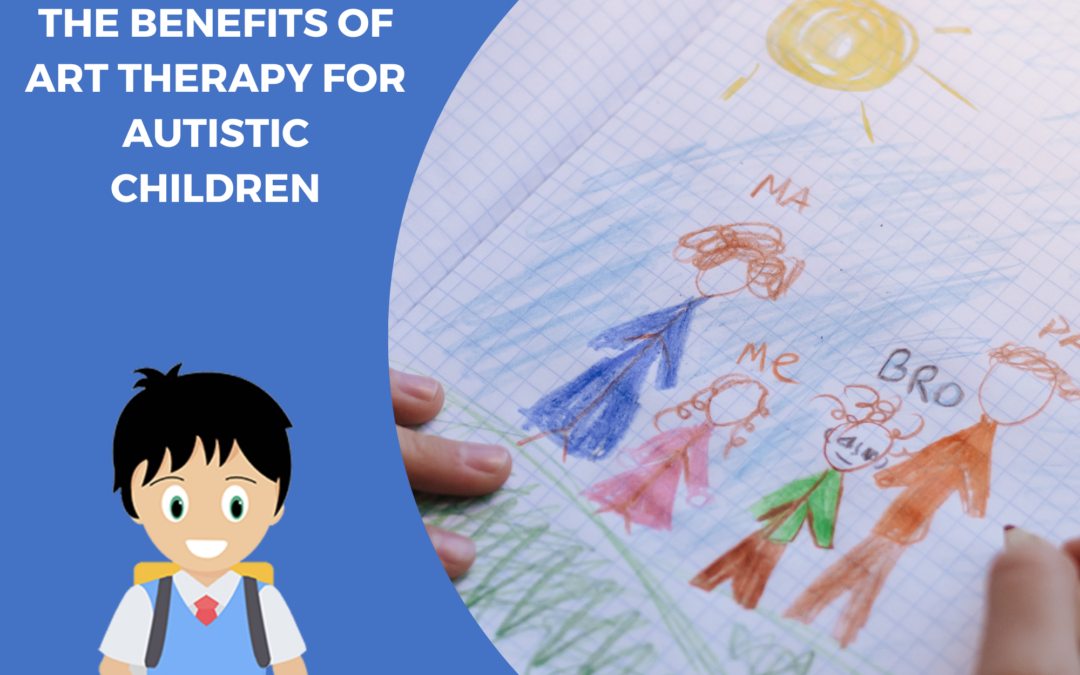
The therapeutic potential of art as a communicative tool is underscored by its role in augmentative and alternative communication (AAC) strategies. Programs like the Art as Therapy initiative in the UK have demonstrated how visual art can help autistic children and adults articulate their needs, emotions, and experiences when traditional methods fail. The process of creating art also encourages the development of fine motor skills and hand-eye coordination, further bridging the gap between internal experience and external expression. In this way, art becomes not just a form of self-expression but a bridge to greater independence and self-advocacy.
The Therapeutic Alchemy: How Art Heals the Autistic Mind
The healing power of art for autistic individuals is rooted in its ability to regulate emotions, reduce anxiety, and provide a sense of control in an unpredictable world. The repetitive motions of drawing, painting, or sculpting can induce a state of flow—a mental immersion so complete that it temporarily quiets the noise of intrusive thoughts or sensory overload. This meditative quality is particularly beneficial for autistic individuals who experience chronic stress or meltdowns, as the structured yet creative nature of art offers a predictable outlet for emotional release. Studies have shown that engaging in artistic activities can lower cortisol levels, the hormone associated with stress, while simultaneously boosting serotonin, the neurotransmitter linked to well-being and calm.
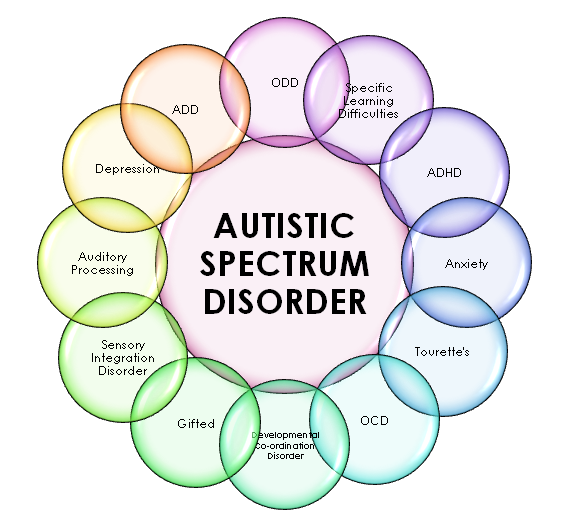
Art therapy also plays a pivotal role in addressing co-occurring conditions common among autistic individuals, such as ADHD or anxiety disorders. The tactile engagement with materials—whether clay, charcoal, or digital styluses—can ground individuals in the present moment, counteracting the restlessness or dissociation that often accompanies neurodivergence. For autistic adults, art can serve as a form of self-care, a ritualistic practice that reinforces self-worth and agency. The act of creating something tangible, something that exists beyond the ephemeral nature of thoughts, can be profoundly validating in a world that often dismisses or misinterprets autistic experiences.
Social Connection Through Shared Creativity: Art as a Bridge
While art is often perceived as a solitary endeavor, it also holds immense potential for fostering social connection among autistic individuals. Group art projects, collaborative murals, or even online art communities provide structured opportunities for interaction that minimize the unpredictability of face-to-face communication. The shared focus on a creative task can ease social anxiety, as the pressure to perform conversationally is replaced by the mutual engagement in a tangible goal. Autistic artists, such as those featured in the Art of Autism collective, often describe these collaborative spaces as transformative, where their unique perspectives are not just tolerated but celebrated.
The rise of digital art platforms has further democratized this social aspect of creativity, allowing autistic individuals to connect with like-minded peers across the globe. Online challenges, virtual galleries, and social media art communities offer a low-stakes environment where autistic artists can share their work, receive feedback, and build camaraderie without the sensory or social overload of in-person interactions. This digital camaraderie underscores a broader truth: art, in all its forms, is a universal language that transcends the barriers of neurotypical communication, creating spaces where autistic voices can flourish unapologetically.
Challenging Stereotypes: The Diversity of Autistic Artistic Expression
The narrative surrounding autism and art is often reduced to a handful of tropes—repetitive scribbles, hyper-detailed renderings, or a fixation on specific themes like trains or animals. While these observations hold grains of truth, they risk oversimplifying the vast spectrum of autistic creativity. Autistic artists are not a monolith; their work spans abstract expressionism, surrealism, realism, and everything in between. Some may gravitate toward the precision of technical drawing, while others find solace in the chaotic freedom of abstract splatter painting. The diversity of autistic art reflects the diversity of autistic minds, each one a testament to the unique ways in which neurodivergent individuals perceive and interact with the world.
Moreover, the intersection of autism with other identities—such as gender, race, or disability—further enriches the artistic landscape. Autistic artists of color, for example, often infuse their work with themes of identity and belonging, challenging the homogeneity of mainstream art narratives. Similarly, autistic LGBTQ+ artists may explore themes of self-acceptance and fluidity through their creations, using art as a tool for both personal and political expression. These intersections highlight the importance of recognizing autistic art not as a curiosity but as a vital and evolving contribution to the cultural tapestry.
The Future of Autistic Art: Recognition, Accessibility, and Innovation
As society gradually moves toward greater neurodiversity acceptance, the future of autistic art looks increasingly promising. Galleries and institutions are beginning to prioritize neurodivergent artists, with exhibitions like Extraordinary Measures at the Smithsonian showcasing the work of autistic creators. However, significant barriers remain, particularly in terms of accessibility. Many autistic artists face challenges in navigating the art world’s gatekeepers—galleries, critics, and collectors—who may unconsciously favor neurotypical standards of “marketable” art. Initiatives like neurodiversity-affirming art residencies and inclusive curation practices are slowly dismantling these barriers, but systemic change is still needed.
Technology is also playing a transformative role in expanding opportunities for autistic artists. Digital art tools, such as Procreate or Blender, offer customizable interfaces that can accommodate sensory preferences, while online platforms like Etsy or Redbubble provide accessible marketplaces for selling artwork without the pressure of traditional gallery representation. The rise of AI-assisted art tools has sparked debates about authenticity and originality, but for autistic artists who may struggle with fine motor skills or executive function, these tools can democratize creativity, allowing them to focus on the conceptual rather than the technical aspects of their work.
The journey of autistic individuals through the world of art is one of resilience, innovation, and quiet revolution. It is a testament to the power of creativity to transcend the limitations imposed by a world that often fails to accommodate neurodivergent minds. Art does not “fix” autism; rather, it provides a sanctuary where autistic individuals can thrive on their own terms. In the strokes of a brush, the press of a stylus, or the careful arrangement of found objects, lies a profound act of self-preservation—a declaration that their voices, though different, are not only valid but vital. As society continues to evolve in its understanding of neurodiversity, the art created by autistic minds will undoubtedly play a pivotal role in reshaping our collective perception of what it means to communicate, to create, and to belong.