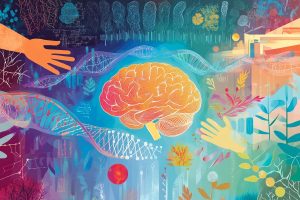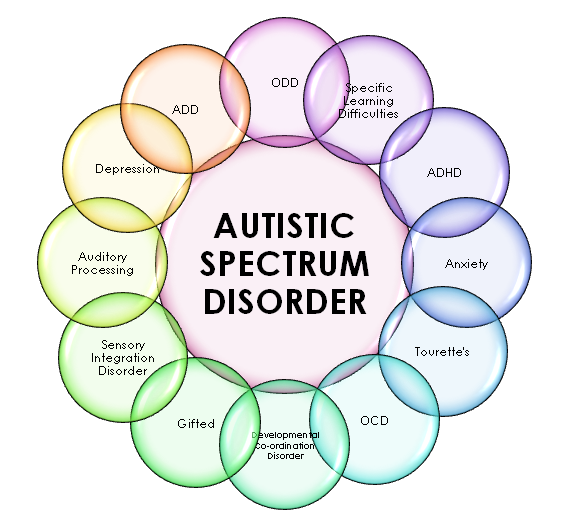
Have you ever wondered how art can become a sanctuary for children on the autism spectrum, offering both solace and stimulation without the chaos of traditional mess? For parents and educators seeking ways to nurture creativity while respecting sensory boundaries, the challenge lies in balancing artistic expression with minimal cleanup. What if the solution isn’t about avoiding mess entirely, but about reimagining it—transforming art projects into structured, sensory-friendly experiences that spark joy without overwhelming? Autism and art intersect in fascinating ways, where creativity becomes a bridge between self-expression and sensory regulation. Let’s explore how playful, mess-free art projects can unlock potential, foster connection, and celebrate the unique perspectives of neurodivergent minds.
The Therapeutic Power of Art for Neurodivergent Minds
Art isn’t just about creating something tangible; it’s a form of communication that transcends verbal language. For individuals with autism, art can serve as a non-threatening outlet for emotions, thoughts, and sensory experiences. The tactile nature of art—whether it’s the smooth glide of a brush or the crinkle of paper—can ground the mind, providing a sense of control in a world that often feels unpredictable. Studies suggest that structured art activities can improve fine motor skills, enhance focus, and even reduce anxiety by offering a predictable, repetitive process. But how do we harness this power without the dreaded aftermath of glitter explosions or paint-splattered floors?
Consider the concept of sensory modulation. Many autistic individuals experience sensory input more intensely than neurotypical individuals, making traditional art supplies—like thick acrylics or gluey textures—potentially overwhelming. The key is to curate projects that engage the senses without overloading them. For instance, watercolor paints, with their fluid and blendable nature, allow for gentle, controlled strokes. Meanwhile, textured papers or fabric scraps can introduce tactile variety without the mess of wet media. The goal isn’t to eliminate sensory input but to design it in a way that feels safe and enjoyable.
Mess-Free Art Projects: A Symphony of Simplicity
Imagine an art project where the only cleanup required is a quick wipe of a table or the tossing of a plastic bag. These projects aren’t just practical; they’re gateways to creativity that respect both the artist’s boundaries and the environment. One such project is sticker collage art. By providing a variety of stickers—ranging from geometric shapes to nature motifs—children can compose images without the stress of adhesives or scissors. The act of peeling and placing stickers also offers a satisfying tactile experience, while the resulting collage becomes a visual story of their choices.
Another ingenious approach is contact paper art. By taping contact paper sticky-side-out to a table or easel, children can press lightweight materials—like tissue paper, feathers, or pom-poms—directly onto the surface. Once complete, the artwork can be peeled off and displayed, leaving behind a pristine workspace. This method eliminates the need for glue, scissors, or cleanup, while still allowing for vibrant, textured creations. For those who crave a bit more structure, stamp pad art offers a controlled yet expressive medium. Using pre-inked stamps on paper or fabric, children can create patterns or scenes with minimal mess, and the stamps themselves can be cleaned with a damp cloth between uses.
What if the challenge isn’t the mess itself, but the fear of it? Many parents hesitate to introduce art because they anticipate the cleanup nightmare. Yet, mess-free projects prove that creativity doesn’t have to be chaotic. By reframing art as a low-stakes, high-reward activity, we can encourage experimentation without the pressure of perfection.
Sensory-Friendly Art: Balancing Engagement and Comfort
Sensory-friendly art isn’t just about avoiding mess; it’s about designing experiences that align with an individual’s sensory preferences. For some, the sound of crinkling paper or the scent of markers can be as important as the visual outcome. To cater to these nuances, consider projects that incorporate multi-sensory elements in a controlled way. For example, scented playdough can be molded into shapes, providing both tactile and olfactory stimulation. Alternatively, glow-in-the-dark watercolors can turn a simple painting session into a mesmerizing, low-light activity that feels like magic.
Another approach is to use adaptive tools that make art more accessible. Weighted brushes, for instance, can provide proprioceptive feedback for those who seek deep pressure, while larger grips on crayons or markers can make holding them easier. For children who are sensitive to bright colors, muted or pastel palettes might be more soothing. The idea is to tailor the experience to the artist’s needs, whether that means dimming the lights, playing soft background music, or offering a quiet corner to work in.
But how do we introduce these projects without overwhelming the child? Start small. Offer one or two materials at a time, and observe their reactions. Some may dive in eagerly, while others might need time to acclimate. The goal isn’t to rush the process but to create an environment where art feels like a safe, inviting space—not a chore or a stressor.
Art as a Bridge: Social and Emotional Growth Through Creativity
Art projects can also serve as a catalyst for social interaction and emotional expression. For children who struggle with verbal communication, art can be a way to share their inner world with others. Group projects, like a collaborative mural or a themed collage, encourage turn-taking and cooperation. The act of creating something together fosters a sense of belonging, while the final artwork becomes a tangible representation of shared effort.
Moreover, art can be a tool for emotional regulation. The repetitive motions of drawing, coloring, or stamping can have a calming effect, similar to the rhythm of a heartbeat. For children who experience meltdowns or heightened emotions, art can provide a constructive outlet for releasing tension. A simple exercise like emotion coloring sheets—where different colors represent feelings—can help children articulate emotions they might not yet have the words for. Over time, these activities can build emotional vocabulary and resilience.
What if art could also be a conversation starter? For children who find it difficult to initiate interactions, an art project can serve as a natural icebreaker. Displaying their work in a shared space, like a classroom or home gallery, invites curiosity and praise from peers. The pride that comes from seeing one’s creation valued can boost self-esteem and motivate further exploration.
Overcoming Challenges: When Art Feels Like a Struggle
Of course, not every art session will go smoothly. Some days, even the simplest project might feel like an insurmountable task. Resistance could stem from sensory overload, frustration with fine motor skills, or simply a lack of interest. The key is to approach these challenges with flexibility and patience. If a child refuses to engage, try offering a different medium or a shorter activity. Sometimes, the goal isn’t the end product but the process itself—the act of exploring, experimenting, and discovering.
Another common hurdle is perfectionism. Children with autism may become fixated on making their artwork “just right,” leading to frustration or avoidance. To counteract this, emphasize the joy of the process over the outcome. Use phrases like, “Let’s see what happens when we mix these colors” or “Feel how smooth the paper is under your fingers.” By shifting the focus from the final piece to the sensory experience, we can reduce performance pressure and encourage a more playful, exploratory mindset.
What if the real challenge isn’t the art itself, but the societal expectations we place on it? Art is often judged by its aesthetic appeal, but for neurodivergent individuals, the value lies in the experience. A scribble might not look like much to an outsider, but to the child who created it, it could represent a moment of focus, joy, or self-expression. The goal isn’t to produce gallery-worthy pieces but to nurture a lifelong love of creativity.
Inspiration for Every Season: Adapting Art Projects Year-Round
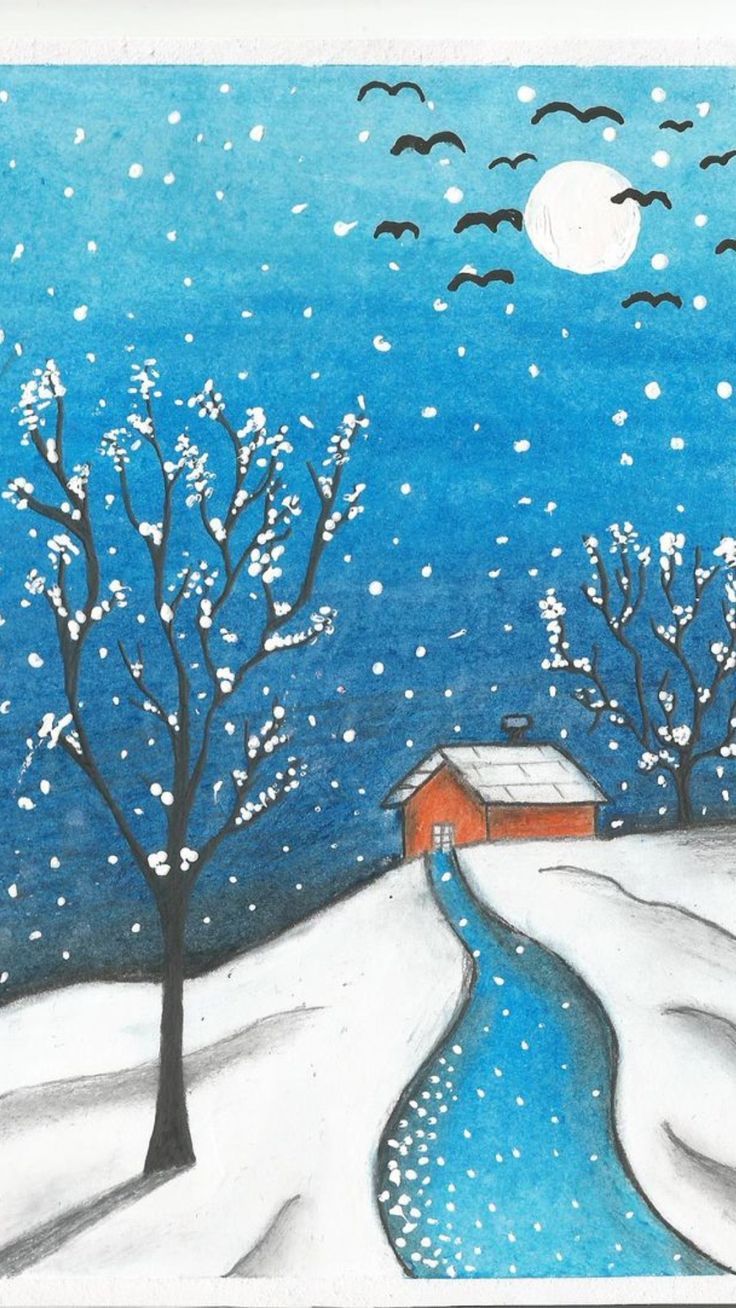
Art isn’t confined to a single season or theme. By rotating materials and projects, we can keep the creative spark alive all year. In spring, nature-inspired art—like leaf rubbings or flower pressing—can connect children to the changing environment. Summer offers opportunities for outdoor art, such as sidewalk chalk murals or rock painting. Fall invites warm, earthy tones and textured materials like fabric or dried leaves. Winter can be a time for cozy indoor projects, like snowflake cutouts or holiday-themed collages.
For those who thrive on routine, a seasonal art calendar can provide structure while allowing for variety. Each month, introduce a new project that aligns with the season’s colors, textures, or themes. This approach not only keeps art fresh but also encourages observation and appreciation of the world around us. Whether it’s the vibrant hues of autumn leaves or the crisp white of freshly fallen snow, nature offers endless inspiration for sensory-friendly art.
What if art could become a ritual—a quiet, reflective moment in an otherwise busy day? By weaving art into daily or weekly routines, we create a predictable, comforting activity that children can look forward to. Whether it’s a five-minute coloring break or a weekend craft session, these moments of creativity can serve as anchors in an unpredictable world.
The journey of exploring art with a neurodivergent child is as much about discovery as it is about creativity. It’s about finding the delicate balance between structure and spontaneity, between mess and order. Art becomes more than a pastime; it transforms into a language, a coping tool, and a source of pride. By embracing mess-free, sensory-friendly projects, we open doors to self-expression that might otherwise remain closed. So, the next time you’re tempted to shy away from art because of the cleanup, remember: the real masterpiece isn’t the artwork itself, but the joy, confidence, and connection it fosters along the way.