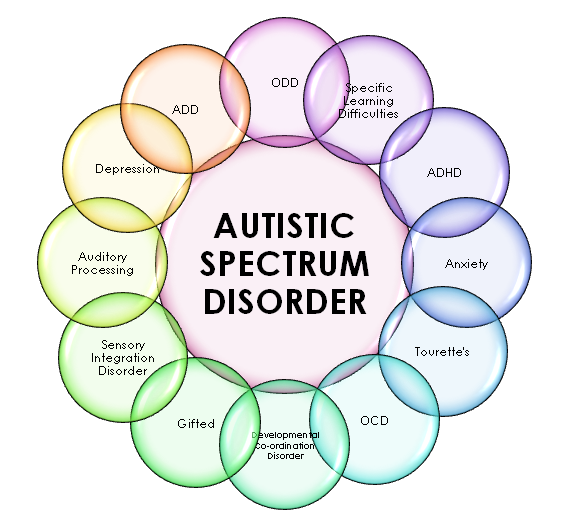
Autism and bullying are two deeply interconnected issues that demand urgent attention from parents, educators, and communities alike. Children on the autism spectrum often face a heightened risk of bullying due to differences in social communication, sensory sensitivities, and behavioral patterns that may not align with neurotypical expectations. The consequences of such experiences can be profound, affecting emotional well-being, academic performance, and long-term self-esteem. This article explores the multifaceted nature of bullying in the context of autism, offering actionable prevention and intervention strategies while emphasizing the importance of fostering inclusive environments.
Understanding the nuances of autism and bullying requires a closer look at the types of bullying these children encounter. Verbal bullying, such as mockery or derogatory comments about their speech patterns or interests, is prevalent. Social exclusion, where peers deliberately isolate them from group activities, is another common form. Physical bullying, though less frequent, can manifest as unwanted touching or aggressive behavior targeting sensory sensitivities. Cyberbullying has also emerged as a growing concern, with autistic children often being targeted through online platforms where their differences are magnified. Recognizing these patterns is the first step toward creating targeted interventions.

The Psychological Toll: Why Autistic Children Are Particularly Vulnerable
Autistic children often struggle with interpreting social cues, which can make it difficult for them to recognize bullying in its early stages. What may seem like playful teasing to a neurotypical child could be deeply distressing to someone with autism, who may not grasp the intent behind the words or actions. Additionally, many autistic children experience challenges with emotional regulation, making it harder for them to respond appropriately to bullying, whether through withdrawal or outbursts that further escalate the situation.
The psychological impact of bullying on autistic children cannot be overstated. Chronic bullying can lead to anxiety disorders, depression, and post-traumatic stress symptoms. Some children may develop avoidance behaviors, such as refusing to attend school, which can hinder their educational progress and social development. Others may internalize the bullying, believing they deserve the mistreatment, which can erode their self-worth over time. It is crucial to address these emotional wounds with empathy and targeted support.
Prevention Strategies: Building Inclusive Environments
Preventing bullying begins with fostering an inclusive school culture where differences are celebrated rather than stigmatized. Educators can implement social-emotional learning (SEL) programs that teach empathy, conflict resolution, and respect for diversity. These programs should include role-playing scenarios that help neurotypical children understand the perspectives of their autistic peers. Additionally, schools can designate “inclusion ambassadors”—students who actively promote kindness and intervene when they witness bullying.
Structural changes within schools can also play a pivotal role. Sensory-friendly classrooms, where lighting and noise levels are adjusted to accommodate autistic students, can reduce stress and minimize behaviors that might provoke bullying. Clear anti-bullying policies, consistently enforced, send a strong message that such behavior will not be tolerated. Parent-teacher collaborations are equally important; regular communication ensures that adults are aware of potential issues before they escalate.
Intervention Tactics: Responding to Bullying When It Occurs
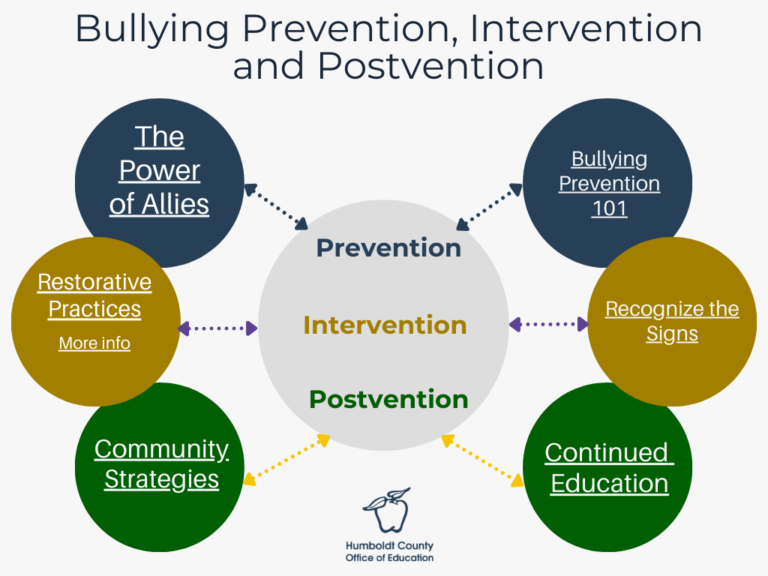
When bullying does occur, a swift and structured response is essential. The first step is to document the incidents thoroughly, including dates, witnesses, and the nature of the behavior. This record-keeping is critical for developing an intervention plan tailored to the child’s needs. Schools should conduct restorative justice sessions, where the bully and the victim engage in mediated conversations to foster understanding and accountability.
For autistic children, interventions must be individualized. Some may benefit from social skills training, where they learn to recognize and respond to bullying in a way that protects their emotional well-being. Others may require accommodations, such as a buddy system or a designated safe space during unstructured times like lunch or recess. Cognitive-behavioral therapy (CBT) can help children process their experiences and develop coping mechanisms. Parents should also consider collaborating with mental health professionals to address any trauma resulting from the bullying.
Empowering Autistic Children: Teaching Self-Advocacy and Resilience
Equipping autistic children with the tools to advocate for themselves is a powerful long-term strategy. Social stories, which use simple narratives to explain social situations, can help children understand what bullying looks like and how to respond. Role-playing exercises allow them to practice assertive communication, such as saying, “Stop, I don’t like that,” or seeking help from a trusted adult. These skills not only deter bullies but also build confidence and independence.
Resilience is another key focus. Parents and educators can highlight the strengths of autistic children, such as their unique perspectives, deep interests, and honesty. Encouraging participation in activities where they excel—whether it’s art, coding, or sports—can bolster their self-esteem and provide a sense of belonging. Peer mentorship programs, where older autistic students mentor younger ones, can also foster a supportive community.

Community and Policy: The Role of Broader Systems
Addressing bullying requires a collective effort that extends beyond schools. Communities can organize workshops and awareness campaigns to educate the public about autism and the realities of bullying. Local governments can enact policies that mandate anti-bullying training for educators and provide funding for mental health resources. Workplaces can also play a role by offering inclusive hiring practices and accommodations for autistic adults, who may still face bullying in professional settings.
Technology companies must take responsibility for curbing cyberbullying. Platforms should implement robust reporting systems and AI-driven tools to detect harmful content targeting vulnerable users. Parents, too, can model inclusive behavior at home, fostering open conversations about differences and the importance of kindness. By working together, communities can create environments where autistic individuals feel safe, valued, and empowered.
Autism and bullying are not isolated issues; they are part of a larger conversation about acceptance, equity, and human dignity. By implementing prevention strategies, responding effectively to incidents, and empowering autistic children with the tools to navigate social challenges, we can create a world where every child thrives. The journey begins with awareness, but it must be sustained through action—one inclusive step at a time.