Autism spectrum disorder (ASD) often presents challenges in emotional regulation, making calm-down kits an invaluable tool for both children and adults navigating sensory overload or emotional distress. These kits, thoughtfully curated with tactile, visual, and sensory items, provide a tangible anchor during moments of overwhelm. For individuals with autism, the structured approach of a calm-down kit can transform chaos into control, offering a predictable routine when emotions threaten to spiral. The key lies in tailoring the contents to the individual’s unique sensory preferences and emotional triggers, ensuring the kit serves as a personalized sanctuary rather than a generic solution.
Beyond their immediate utility, calm-down kits foster independence, empowering autistic individuals to self-soothe without relying solely on external support. They also serve as a bridge between the internal emotional landscape and the external world, allowing for gradual re-engagement with surroundings once the storm of emotions subsides. Whether used in classrooms, homes, or therapeutic settings, these kits become more than just objects—they evolve into a lifeline, a silent companion in the journey toward emotional equilibrium.

The Neuroscience Behind Calm-Down Kits and Emotional Regulation
Emotional regulation in autism is intricately linked to the brain’s limbic system, particularly the amygdala, which processes emotional responses. For many autistic individuals, this system can become hyperactive, leading to intense reactions to stimuli that others might find mundane. Calm-down kits function as external regulators, providing sensory input that can modulate the amygdala’s overactivity. Tactile items like stress balls or textured fabrics engage the somatosensory system, while deep-pressure tools like weighted blankets stimulate the parasympathetic nervous system, promoting relaxation.
Research suggests that sensory integration—the process of organizing sensory input for appropriate responses—plays a crucial role in emotional regulation. Autistic individuals often experience sensory processing differences, where certain textures, sounds, or lights can feel overwhelming. A well-designed calm-down kit addresses these discrepancies by offering controlled, predictable sensory experiences. For instance, a kit containing a soft, noise-canceling headband and a smooth, cool stone can ground an individual by providing both auditory and tactile relief.
The concept of “bottom-up” regulation, where sensory input is used to influence emotional state, is particularly effective for autistic individuals. Unlike cognitive strategies that require abstract thinking, sensory tools provide immediate, concrete relief. This approach aligns with the principles of occupational therapy, which emphasizes the importance of sensory modulation in managing emotional distress. By incorporating items that cater to an individual’s specific sensory profile—whether it’s deep pressure, gentle vibration, or rhythmic movement—a calm-down kit becomes a tailored intervention rather than a one-size-fits-all solution.
Sensory-Based Tools: Crafting a Personalized Calm-Down Arsenal
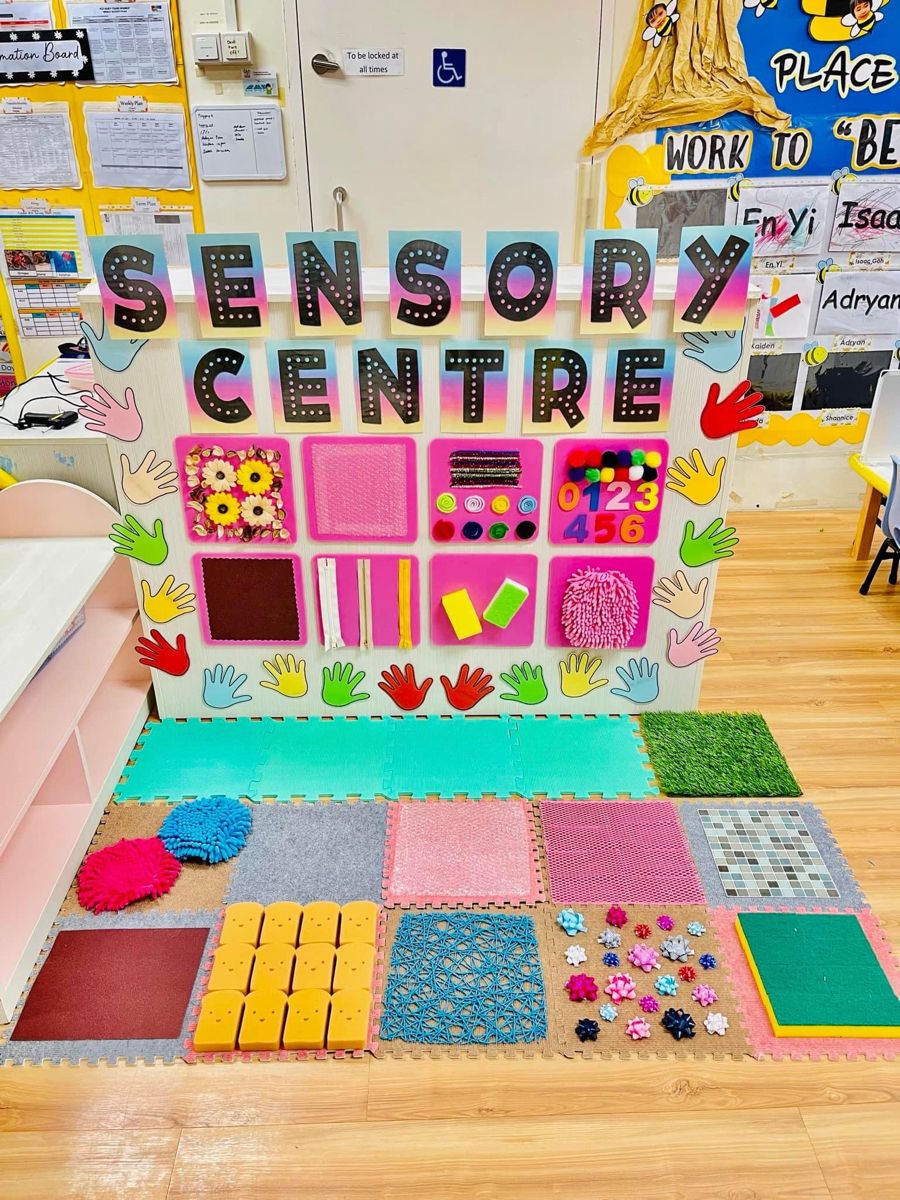
Sensory-based tools form the backbone of any effective calm-down kit, but their selection should be guided by the individual’s unique sensory preferences. For those who seek tactile stimulation, items like squishy stress balls, textured putty, or fidget spinners can provide the necessary input to redirect focus and reduce anxiety. Weighted blankets or lap pads offer deep-pressure input, which has been shown to increase serotonin and melatonin levels, fostering a sense of security and calm.
Visual tools are equally vital, especially for individuals who are drawn to patterns or colors. A small lava lamp, a glitter jar, or a kaleidoscope can captivate attention and serve as a focal point during moments of distress. For auditory seekers, noise-canceling headphones or a white noise machine can create a cocoon of sound that shields against overwhelming noise. Movement-based tools, such as a mini trampoline or a balance board, can help release pent-up energy, while oral motor tools like chewable jewelry or vibrating oral stimulators cater to those who find comfort in mouthing or chewing.
It’s essential to experiment with different items to determine what resonates most with the individual. A trial-and-error approach, guided by observation and feedback, ensures the kit evolves alongside the person’s changing needs. For example, a child who initially responds well to a vibrating massager may later prefer a softer, plush toy as their sensory preferences shift. The goal is to create a dynamic collection that adapts, ensuring the kit remains a relevant and effective resource over time.

DIY Calm-Down Kits: Budget-Friendly and Customizable Solutions
Creating a DIY calm-down kit is not only cost-effective but also allows for deep personalization. Start with a sturdy container, such as a small backpack, a shoebox, or a zippered pouch, that can be easily transported or stored. The container itself can become part of the kit’s appeal—decorate it with stickers, paint, or labels to make it inviting and personalized. For younger children, a themed container, like a treasure chest or a spaceship, can add an element of excitement to the process.
When selecting items, prioritize versatility and durability. A single item, like a stretchy resistance band, can serve multiple purposes—it can be pulled for deep-pressure input, twisted for finger strength, or used as a visual focal point when stretched between hands. Similarly, a sensory bottle filled with water, glitter, and food coloring can be both mesmerizing and calming, while also doubling as a tool for deep breathing exercises. For those who enjoy crafting, homemade items like a “calm-down jar” (a jar filled with rice and small trinkets that can be shaken and watched) or a “feelings cube” (a cube with different textures on each side) add a creative touch.
Incorporate natural elements where possible, as they often provide grounding sensory experiences. A small piece of smooth river rock, a pinecone, or a bundle of lavender can offer tactile and olfactory stimulation. For individuals who benefit from proprioceptive input, consider adding items like a mini resistance band, a therapy putty, or a small hand exerciser. The key is to strike a balance between novelty and familiarity—while new items can pique interest, familiar ones provide comfort and predictability.
Document the kit’s contents in a simple, visual guide, such as a checklist or a photo collage, to help the individual independently select items when needed. This not only reinforces autonomy but also ensures the kit is used consistently and effectively. Over time, the kit can be expanded or modified based on the individual’s evolving needs, making it a living, breathing resource rather than a static collection of objects.
Visual and Cognitive Supports: Enhancing the Kit’s Effectiveness
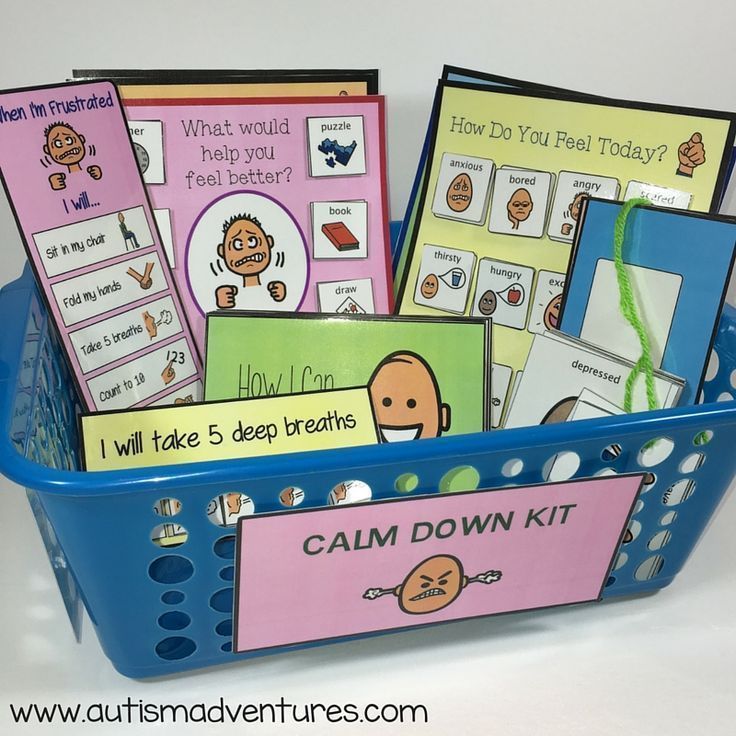
Visual and cognitive supports transform a calm-down kit from a mere collection of objects into a structured, actionable tool. Visual schedules, for instance, can outline the steps for using the kit, such as “Take three deep breaths,” “Choose a fidget toy,” or “Wrap yourself in the blanket.” These schedules can be customized with pictures, symbols, or words, depending on the individual’s communication preferences. For nonverbal individuals, a picture-based schedule provides clear, unambiguous guidance, reducing frustration and promoting independence.
Social stories are another powerful addition, offering narratives that explain when and how to use the calm-down kit. A social story might describe a scenario where the individual feels overwhelmed, followed by a step-by-step guide to using the kit to regain control. For example, a story could depict a child at a noisy playground who feels overstimulated, then show them retreating to a quiet corner to use their kit. These stories not only demystify the process but also reinforce positive coping strategies in a relatable, engaging format.
Cognitive supports, such as emotion cards or a feelings thermometer, help individuals articulate their emotions and identify the appropriate tools to address them. An emotion card might feature images of different feelings, allowing the individual to point to or describe their current state. A feelings thermometer, which ranges from “calm” to “very upset,” can guide the selection of items—milder tools for lower levels of distress and more intense sensory input for higher levels. These supports bridge the gap between emotion and action, making the kit a proactive rather than reactive resource.
For individuals who benefit from routine, a “calm-down routine” card can outline a sequence of steps to follow when emotions escalate. This might include a combination of sensory input, deep breathing, and cognitive reframing. For example, the routine could start with a deep breath, followed by squeezing a stress ball, then wrapping in a weighted blanket, and finally using a visual timer to track progress. By providing a clear, step-by-step path, the routine reduces decision fatigue and empowers the individual to take charge of their emotional state.
Incorporating Calm-Down Kits into Daily Life and Therapeutic Settings
Integrating a calm-down kit into daily life requires intentionality and consistency. In a classroom setting, the kit can be placed in a designated “calm-down corner,” a quiet space equipped with the kit and other comfort items like a cozy chair or a soft rug. Teachers can introduce the kit during non-crisis times, using it as a preventive tool rather than an emergency intervention. For example, a teacher might incorporate a short calm-down activity into the morning routine, allowing students to familiarize themselves with the kit’s contents in a low-stakes environment.
In therapeutic settings, calm-down kits can be used as part of a broader emotional regulation curriculum. Occupational therapists might incorporate the kit into sessions focused on sensory integration, while speech therapists can use it to support individuals who struggle with emotional expression. The kit can also be a valuable tool in social skills groups, where participants practice using the items to navigate conflicts or overwhelming social situations. By normalizing the use of the kit in these contexts, individuals learn to view it as a standard part of their emotional toolkit rather than a last resort.
At home, parents can model the use of the kit, demonstrating how to select items and engage with them in a calm, mindful way. Siblings or other family members can also be encouraged to use the kit, fostering a shared understanding of emotional regulation. For individuals who struggle with transitions, the kit can be introduced before a change in activity, providing a buffer against the stress of unpredictability. For example, a child might use the kit for five minutes before transitioning from playtime to dinnertime, easing the shift between activities.
The key to successful integration is consistency and reinforcement. Praise and positive reinforcement, such as verbal acknowledgment or a sticker chart, can motivate individuals to use the kit independently. Over time, the kit becomes a familiar and trusted resource, one that individuals turn to instinctively when emotions run high. By embedding the kit into daily routines and therapeutic practices, it evolves from a novelty into an indispensable tool for emotional well-being.

Measuring Success: Tracking Progress and Adapting the Kit
Tracking the effectiveness of a calm-down kit is essential for ensuring it continues to meet the individual’s needs. Start by establishing baseline data—observe how often the kit is used, which items are most effective, and how quickly the individual recovers from emotional distress. This data can be collected through simple observations, checklists, or even a digital app designed to log emotional states and coping strategies. Over time, patterns will emerge, revealing which items are most beneficial and which may need to be replaced or modified.
Adapting the kit is an ongoing process, driven by the individual’s changing needs and preferences. For example, a child who initially responds well to a vibrating massager may outgrow the need for intense sensory input as they develop better coping strategies. Conversely, an individual who once found comfort in a particular texture may develop a sensitivity to it over time. Regularly revisiting the kit’s contents—perhaps on a seasonal basis or after major life changes—ensures it remains a relevant and effective resource.
Involve the individual in the adaptation process whenever possible. Ask for their feedback on which items they find most helpful or which they’d like to replace. For nonverbal individuals, observe their interactions with the kit to gauge their preferences. For example, if an individual consistently avoids a certain item, it may be a sign that it no longer serves their needs or that it triggers discomfort. By treating the kit as a dynamic, evolving tool, you ensure it continues to provide meaningful support throughout the individual’s journey.
Finally, celebrate the small victories. Progress in emotional regulation is often incremental, and setbacks are a natural part of the process. Acknowledge the individual’s efforts to use the kit, even if the outcome isn’t immediate or perfect. Over time, these small steps build resilience, equipping the individual with the tools they need to navigate the complexities of emotional regulation with confidence and grace.
Autism and calm-down kits share a symbiotic relationship, one that transforms the abstract challenge of emotional regulation into a tangible, actionable process. By understanding the neuroscience behind these kits, curating sensory-based tools, and integrating them into daily life, individuals with autism can reclaim agency over their emotional well-being. The journey is not without its hurdles, but with patience, creativity, and a willingness to adapt, a calm-down kit becomes more than a collection of objects—it becomes a pathway to empowerment, resilience, and emotional harmony.