Autism and healthcare discrimination are not merely abstract concerns—they are lived realities for countless individuals navigating a system that often fails to accommodate neurodivergent needs. The experience of being met with skepticism, dismissed as “difficult,” or outright denied care is a pervasive issue that extends far beyond clinical settings. It seeps into employment, education, and social interactions, creating a web of systemic barriers that can feel insurmountable. Yet, beneath the surface of these challenges lies a deeper truth: the healthcare system’s inability to adapt to neurodivergent individuals is not just a logistical failure—it is a reflection of a broader cultural reluctance to embrace difference. The fight against this discrimination begins with understanding its roots and demanding a system that recognizes the inherent value of neurodiversity.
Discrimination in healthcare settings often manifests subtly, through the dismissive tone of a receptionist, the hurried explanations of a physician, or the outright refusal to provide accommodations. For autistic individuals, these barriers are compounded by sensory sensitivities, communication differences, and the exhaustion of constantly advocating for oneself. A study published in the Journal of Autism and Developmental Disorders found that autistic adults are significantly more likely to report negative healthcare experiences, including being misdiagnosed, having their symptoms attributed to anxiety or mood disorders, or being denied necessary treatments. These experiences are not isolated incidents; they are part of a pattern that reveals a healthcare system ill-equipped to meet the needs of a neurodivergent population.
The Invisible Burden of Self-Advocacy
One of the most insidious aspects of healthcare discrimination is the burden it places on autistic individuals to advocate for themselves in environments that are inherently unwelcoming. Navigating a medical system that prioritizes efficiency over empathy often requires a level of social and cognitive labor that neurotypical patients do not face. Autistic individuals may struggle to articulate their needs in a way that resonates with healthcare providers, or they may face skepticism when their symptoms do not align with textbook descriptions of a condition. The result is a cycle of frustration: the patient leaves the appointment feeling unheard, while the provider remains unaware of the systemic gaps in their care.
Consider the experience of a non-speaking autistic adult attempting to describe chronic pain to a doctor who assumes their lack of verbal fluency equates to a lack of understanding. Or the autistic child whose meltdowns are misinterpreted as behavioral issues rather than signs of sensory overload. These scenarios are not rare; they are the norm for many autistic individuals. The burden of proof falls squarely on the patient, who must repeatedly justify their existence in a system that was not designed with them in mind. This self-advocacy is not just exhausting—it is a form of resistance against a system that would prefer to ignore their needs entirely.
Structural Barriers: Where Policy Meets Prejudice
The discrimination faced by autistic individuals in healthcare is not merely interpersonal; it is embedded within the very structures of the system. Insurance policies, for example, often impose arbitrary limits on therapy sessions or deny coverage for accommodations like noise-canceling headphones or extended appointment times. These policies reflect a fundamental misunderstanding of autism as a monolithic condition, rather than a spectrum of experiences that require individualized care. The result is a healthcare landscape where access is determined not by need, but by the ability to navigate bureaucratic hurdles—a skill that many autistic individuals, particularly those with executive dysfunction, struggle to master.
Another structural barrier is the lack of training among healthcare providers. Medical education rarely includes comprehensive modules on neurodiversity, leaving physicians ill-prepared to recognize or treat autistic patients. This gap in knowledge perpetuates myths—such as the idea that all autistic individuals lack empathy or that they are incapable of understanding medical information. These misconceptions lead to substandard care, where autistic patients are either overmedicated to suppress “problematic” behaviors or undertreated because their symptoms are dismissed as part of their autism. The absence of neurodiversity-informed care is not an oversight; it is a systemic failure that prioritizes convenience over competence.
The Role of Sensory and Communication Barriers
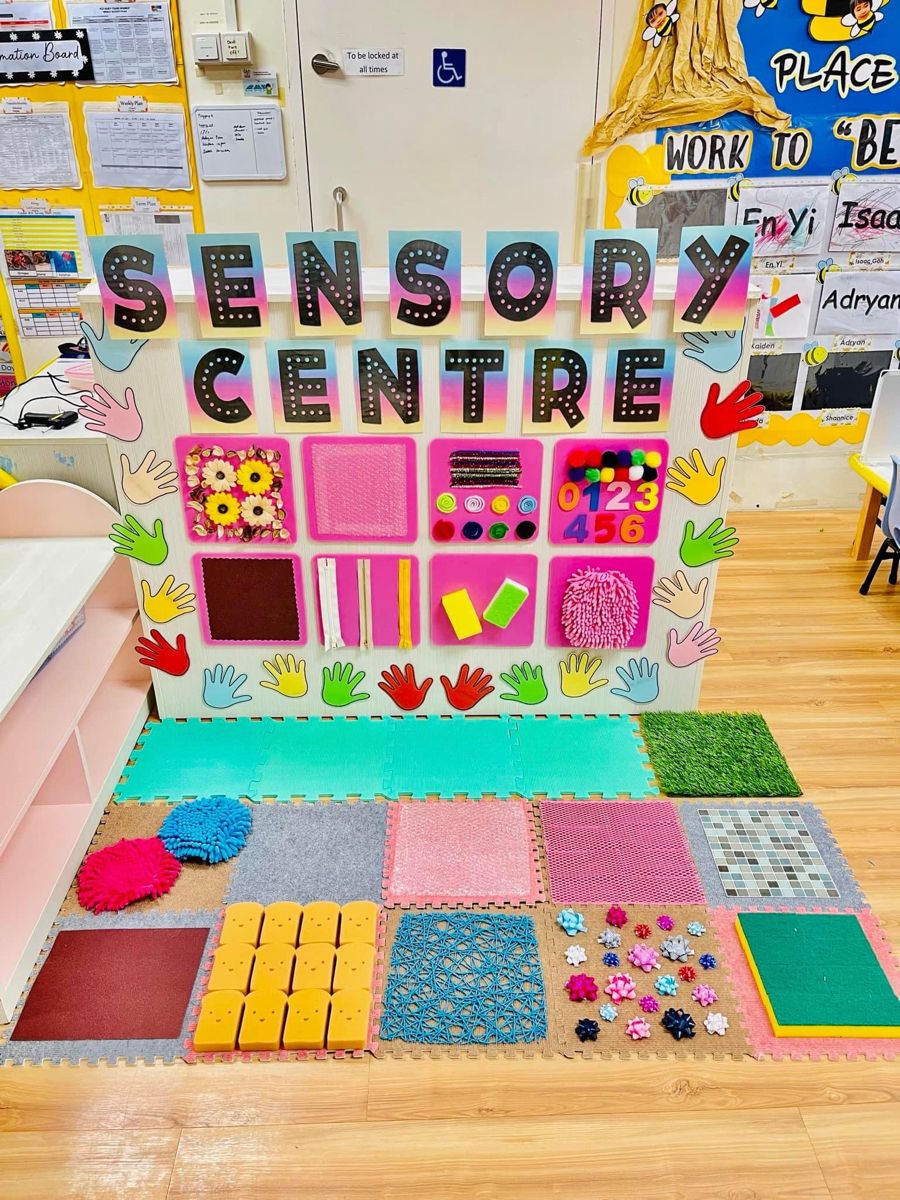
For many autistic individuals, the sensory environment of a healthcare setting is itself a form of discrimination. Fluorescent lighting, the hum of medical equipment, the sterile scent of antiseptic—these seemingly minor details can trigger overwhelming sensory overload. Yet, healthcare facilities rarely consider these factors when designing their spaces. The result is a paradox: a place meant to heal becomes a site of distress, where the very act of seeking care exacerbates the patient’s condition. Similarly, communication barriers can create profound misunderstandings. An autistic patient may struggle to process rapid-fire questions from a doctor or may find eye contact physically painful, leading to a misdiagnosis of social anxiety or defiance.
These barriers are not trivial; they are fundamental to the experience of receiving care. A healthcare system that ignores sensory and communication needs is not just inconvenient—it is actively harmful. It sends a message that autistic individuals must conform to neurotypical norms to receive treatment, rather than adapting the system to meet their needs. This approach is not only unethical; it is counterproductive. Research shows that when autistic patients are given accommodations—such as quiet rooms, written instructions, or the option to communicate via email—their outcomes improve dramatically. Yet, these accommodations remain the exception rather than the rule.
Fighting Back: Strategies for Change
The fight against healthcare discrimination is not a solitary one. It requires a multi-pronged approach that addresses both individual experiences and systemic change. For autistic individuals, the first step is often building a toolkit of self-advocacy strategies. This might include preparing written summaries of symptoms beforehand, requesting accommodations in advance, or bringing a trusted advocate to appointments. While these strategies can mitigate some of the challenges, they should not be the sole solution. The responsibility for change cannot rest solely on the shoulders of those who are already marginalized.
At the systemic level, change begins with education. Healthcare providers must undergo mandatory training on neurodiversity, including how to recognize autism in patients of all ages and genders, how to adapt communication styles, and how to create sensory-friendly environments. Medical schools should integrate these topics into their curricula, ensuring that future providers are equipped to deliver competent care. Additionally, policymakers must advocate for insurance reforms that eliminate arbitrary limits on therapy and mandate coverage for accommodations. These changes are not radical; they are necessary steps toward a healthcare system that upholds the principle of equitable care for all.
Another critical strategy is the amplification of autistic voices in healthcare advocacy. Too often, decisions about autism care are made by non-autistic experts who may not fully grasp the nuances of the experience. Autistic-led organizations and individuals must be centered in conversations about policy, research, and clinical guidelines. Their insights are not just valuable—they are essential to dismantling the biases that perpetuate discrimination. By listening to those who have lived with the consequences of these systemic failures, the healthcare system can begin to evolve in meaningful ways.
The Ripple Effect: Beyond the Clinic
The impact of healthcare discrimination extends far beyond the walls of a doctor’s office. When autistic individuals are denied proper care, the consequences ripple outward, affecting their mental health, employment prospects, and overall quality of life. A misdiagnosis or delayed treatment can exacerbate co-occurring conditions like anxiety or depression, creating a cycle of poor health that is difficult to break. The economic burden of this discrimination is also significant, with autistic individuals facing higher rates of unemployment and underemployment due to unaddressed health needs. The cost of inaction is not just personal; it is societal.
Moreover, the normalization of healthcare discrimination sets a dangerous precedent. It sends a message to autistic individuals that their needs are secondary to the convenience of the system. It reinforces the idea that difference is a problem to be managed, rather than a natural variation to be accommodated. This mindset extends beyond healthcare, influencing how autistic individuals are treated in schools, workplaces, and communities. The fight against healthcare discrimination is, therefore, not just about improving medical care—it is about challenging broader cultural attitudes toward neurodiversity.
The path forward is clear, though the journey will be long. It requires a commitment to listening, learning, and unlearning the biases that have shaped our healthcare system for decades. It demands that we recognize the inherent dignity of autistic individuals and the right to receive care that honors their unique needs. The fight against healthcare discrimination is not just a moral imperative; it is a step toward building a society that values all its members, regardless of neurology. The question is not whether we can afford to make these changes—it is whether we can afford not to.