Autism and the Pursuit of Happiness: What It Means for Autistic People
The pursuit of happiness is often framed as a universal human endeavor, yet for autistic individuals, this journey unfolds along a distinctly different path. Society’s conventional metrics of fulfillment—social integration, career success, or emotional expressiveness—rarely align with the lived experiences of those whose neurology diverges from the neurotypical norm. What does happiness look like when one’s sensory landscape is a cacophony of overstimulation, when social scripts feel like a foreign language, or when the world’s expectations clash with one’s intrinsic way of being? The answer is as varied as the autistic community itself, but it is undeniably profound.
For many autistic people, happiness is not a fleeting emotion tied to external validation but a steady, almost architectural state of being. It is constructed from the quiet satisfaction of routine, the deep joy of hyperfocus, or the unshakable contentment found in solitary pursuits. This form of fulfillment often goes unnoticed by outsiders, dismissed as mere “contentment” rather than the rich, complex experience it truly is. Yet, it is precisely this internal coherence—this alignment between one’s actions and one’s needs—that forms the bedrock of autistic happiness. The challenge, then, lies not in achieving happiness, but in dismantling the barriers that society erects between autistic individuals and the recognition of their own joy.

The Myth of the “One-Size-Fits-All” Happiness
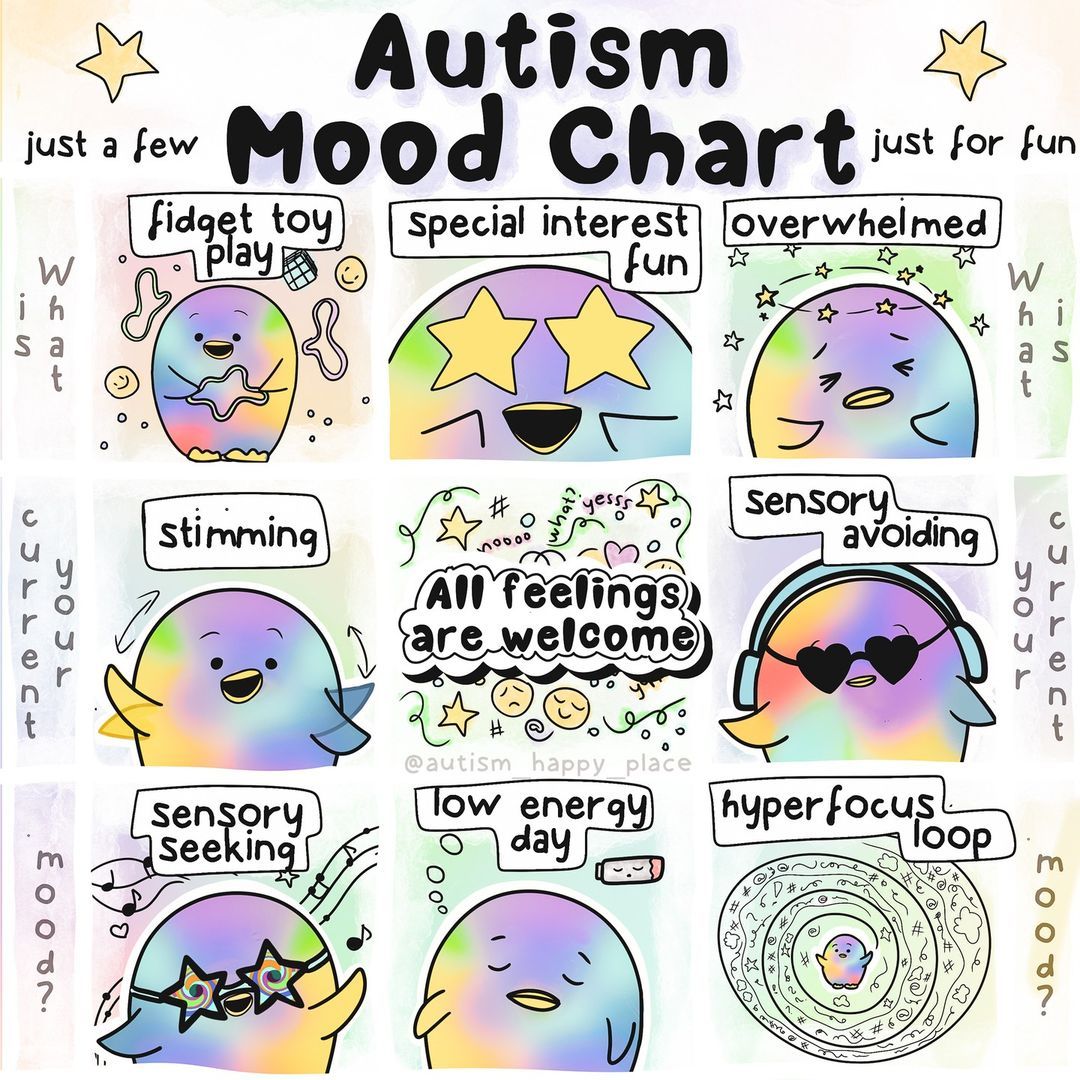
Society’s obsession with a singular definition of happiness—one that prioritizes extroversion, spontaneity, and emotional transparency—creates a paradox for autistic individuals. What appears as “happiness” in neurotypical terms may feel like exhaustion or performative labor to an autistic person. Conversely, the autistic experience of joy—whether it’s the rhythmic clicking of a fidget toy, the immersive escape into a special interest, or the profound relief of solitude—is often misinterpreted as disinterest or even melancholy.
This misalignment is not a flaw in autistic cognition but a reflection of how deeply societal norms shape our understanding of fulfillment. The autistic brain, wired for pattern recognition and deep focus, may derive happiness from activities that neurotypical society deems mundane or even isolating. A child spinning in circles for hours isn’t merely “playing”—they are engaging in a form of sensory regulation that brings them profound comfort. An adult losing themselves in a niche hobby isn’t avoiding social interaction; they are cultivating a space where their unique strengths can flourish without the pressure to conform.
Recognizing this requires a shift in perspective: happiness, for autistic individuals, is not a deviation from the norm but a testament to the diversity of human experience. The key lies in moving beyond superficial judgments and asking, instead, what structures—whether environmental, social, or emotional—allow an autistic person to thrive. For some, this might mean a life of quiet independence; for others, it could involve carefully curated social interactions that don’t drain their energy. The point is not to force autistic people into a preordained mold of happiness, but to create conditions where their version of fulfillment can take root and grow.
The Sensory Landscape: Where Happiness Meets Overwhelm
For many autistic individuals, the pursuit of happiness is inextricably linked to the management of sensory input. The world is a symphony of stimuli—bright lights, loud noises, rough textures, pungent smells—each capable of either invigorating or overwhelming. What brings joy to one person might be a source of distress to another, and this variability is often overlooked in mainstream discussions about well-being.
Consider the autistic person who finds solace in the hum of a refrigerator or the rhythmic tapping of a pen. To an outsider, these behaviors might seem odd or even disruptive, but to the individual, they are a form of self-soothing, a way to ground themselves in an otherwise chaotic world. Similarly, the autistic child who covers their ears in a crowded mall isn’t being “difficult”—they are experiencing sensory overload, a state that can quickly escalate into distress if not acknowledged.
This sensory dimension of happiness is not just about avoiding discomfort; it’s about curating environments where joy can flourish. For some, this means seeking out quiet spaces, wearing noise-canceling headphones, or using weighted blankets to feel secure. For others, it might involve embracing the sensory richness of their surroundings, whether through art, music, or tactile exploration. The goal is not to eliminate sensory input but to find a balance where stimulation enhances rather than detracts from well-being.
Yet, this balance is often disrupted by a world that prioritizes sensory efficiency over individual needs. Open-plan offices, fluorescent lighting, and crowded public spaces are designed for neurotypical comfort, leaving autistic individuals to navigate a landscape that feels, at best, indifferent and, at worst, hostile. The pursuit of happiness, then, becomes an act of resilience—a daily negotiation between one’s needs and the demands of an unaccommodating world.
Social Connections: Redefining What It Means to Belong
Social relationships are often held up as the pinnacle of human happiness, yet for autistic individuals, the path to connection is fraught with unspoken rules and unmet expectations. The neurotypical social world operates on a set of implicit norms—eye contact, small talk, reciprocal conversation—that can feel like a minefield to those who process social cues differently. The result is a paradox: autistic people may crave connection just as deeply as anyone else, but the methods of achieving it are often misunderstood or dismissed.
For some autistic individuals, happiness is found in deep, one-on-one relationships where communication is direct and expectations are clear. These connections thrive on shared interests, mutual respect, and the absence of performative social rituals. For others, the idea of a large social gathering is exhausting, not because they dislike people, but because the effort required to navigate such an environment leaves little energy for genuine connection.
This doesn’t mean autistic people are incapable of love or friendship—far from it. It means that their social needs are different, and that these differences should be celebrated rather than pathologized. The autistic friend who communicates through memes or special interests isn’t being “weird”; they are expressing themselves in a way that feels authentic and meaningful. The autistic partner who prefers structured, predictable interactions isn’t cold or distant; they are creating a relationship dynamic that works for them.
Yet, societal expectations often pressure autistic individuals to conform to neurotypical social standards, whether through therapy that focuses on “social skills” or peer groups that prioritize extroversion. The irony is that these efforts, while well-intentioned, can undermine the very happiness they aim to cultivate. True connection, for autistic people, is not about fitting into a mold but about finding—or creating—spaces where their social style is not just tolerated but valued.
The Role of Special Interests: When Passion Becomes Purpose
Few experiences encapsulate the autistic pursuit of happiness as vividly as the phenomenon of special interests. These hyperfocused passions—whether for trains, quantum physics, or the intricacies of medieval armor—are often dismissed as mere obsessions, yet they are far more than that. For autistic individuals, special interests are a source of joy, identity, and even professional fulfillment.
Consider the autistic child who can recite train schedules from memory or the adult who spends hours researching obscure historical events. These pursuits are not distractions from happiness; they are the very foundation of it. Special interests provide a sense of mastery, a way to engage with the world on one’s own terms. They offer structure in a chaotic world, a sense of control in an unpredictable environment, and a source of pride in a society that often undervalues deep knowledge.
Moreover, special interests can be a gateway to social connection. Autistic individuals often bond over shared passions, finding camaraderie in communities where their enthusiasm is met with understanding rather than judgment. For some, these interests even translate into careers, where their unique perspectives and deep expertise are valued in ways that traditional workplaces might not accommodate.
Yet, the societal view of special interests is often tinged with skepticism. They are labeled as “fixations” or “eccentricities,” rather than recognized as the vital components of autistic happiness they truly are. This dismissal reflects a broader cultural discomfort with intensity—whether in passion, focus, or emotion. But for autistic people, intensity is not a flaw; it is a feature of their experience, one that deserves to be honored rather than suppressed.
Autonomy and Self-Determination: The Ultimate Path to Fulfillment
At its core, the pursuit of happiness for autistic individuals is about autonomy—the freedom to live in a way that aligns with one’s needs, values, and rhythms. This autonomy is often constrained by societal expectations, whether in the form of rigid educational systems, inflexible workplaces, or the pressure to conform to neurotypical standards of success.
For autistic people, happiness is not found in achieving external milestones but in the ability to make choices that honor their true selves. This might mean rejecting a high-pressure career in favor of a slower-paced job, or it might involve creating art, writing, or engaging in activism that gives voice to their experiences. It might even mean choosing solitude over socializing, not out of loneliness, but because solitude is where they feel most at peace.
The challenge, then, is not to “fix” autistic people but to create a world where their autonomy is respected. This requires systemic changes—such as flexible work arrangements, sensory-friendly environments, and inclusive education—but it also demands a cultural shift in how we perceive happiness. We must move beyond the idea that fulfillment is a destination to be reached and instead embrace it as a dynamic, ongoing process of self-discovery and self-advocacy.

The pursuit of happiness for autistic people is not a deviation from the norm but a testament to the richness of human diversity. It is a journey that requires society to listen, adapt, and, above all, respect the unique ways in which autistic individuals experience joy. By dismantling the barriers that stand in the way of their fulfillment, we don’t just make life better for autistic people—we enrich the world with perspectives that challenge, inspire, and ultimately, remind us all of the many forms happiness can take.