Autism and Celebrity Advocates: Famous Faces Speaking Out
In the grand theater of human diversity, autism is a performance that has long been misunderstood, its script misread by a society quick to label rather than listen. Yet, like a symphony composed of unexpected instruments, autism brings a richness to the world that defies convention. Enter the luminaries—celebrities, artists, and thought leaders—who have stepped into the spotlight not just for their fame, but for their courage in redefining what it means to be neurodivergent. These figures are not merely advocates; they are architects of a new narrative, one where autism is not a limitation but a lens through which the world is reframed. Their voices resonate beyond red carpets and headlines, echoing in classrooms, boardrooms, and living rooms, inviting society to witness the beauty of a mind that dances to its own rhythm.
What makes these advocates so compelling is their ability to transmute personal struggle into public enlightenment. They are the alchemists of awareness, turning silence into solidarity and isolation into inspiration. Their stories are not just tales of triumph over adversity but celebrations of a unique way of being—one that challenges the status quo and invites us to reconsider the very fabric of human potential.

The Symphony of Neurodiversity: A Mind Unchained
Imagine the human brain as an orchestra, each neuron a musician playing its part in a grand composition. For most, the symphony follows a familiar score, its melodies predictable and its harmonies conventional. But for those with autism, the music is different—unscripted, improvisational, and breathtakingly original. This is the essence of neurodiversity: a celebration of cognitive variety, where each mind contributes a unique verse to the human story.
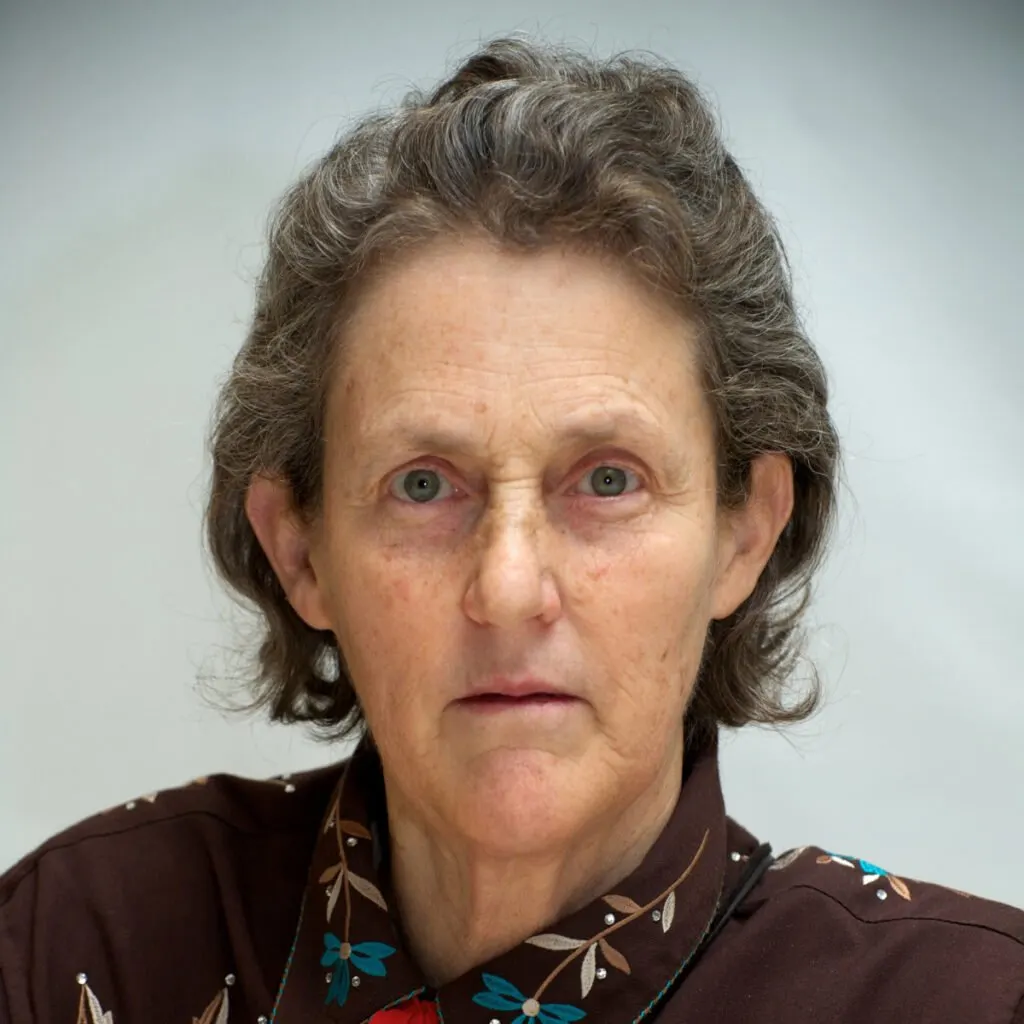
Celebrity advocates are the maestros of this symphony, conducting conversations that harmonize understanding with acceptance. They dismantle the myth that autism is a monolith, instead painting it as a spectrum as vast and varied as the colors of a sunset. Temple Grandin, for instance, has spent decades translating the language of her own mind into a vocabulary that others can grasp. Her work in animal science and advocacy has shown how autistic individuals often possess an extraordinary capacity for pattern recognition—a skill that has revolutionized industries from livestock handling to artificial intelligence. Grandin’s mind, she has said, works like Google Images, where concepts are linked visually rather than verbally. This is not a deficit; it is a superpower in disguise.
Similarly, actors like Anthony Hopkins and Dan Aykroyd have spoken openly about their autism diagnoses, using their platforms to shatter stereotypes. Hopkins, known for his method acting, has described his mind as a “filing cabinet” where memories are stored with photographic precision. This ability to recall details with such clarity is not just a quirk of his craft but a testament to the autistic brain’s relentless pursuit of patterns. Aykroyd, meanwhile, has credited his autism with fueling his creativity, particularly in developing the iconic character of Ghostbusters’ Dr. Raymond Stantz. For these individuals, autism is not a barrier but a bridge to realms of thought that others might never explore.
The Canvas of Advocacy: Art as a Mirror and a Megaphone
Art has always been a vessel for the unspoken, a way to articulate the inexpressible. For autistic artists, this vessel is not just a tool but a lifeline—a means of translating the cacophony of their inner worlds into something tangible, something that others can see, hear, and feel. Celebrities who are autistic or who advocate for autism often wield art as both a mirror and a megaphone, reflecting their experiences while amplifying the voices of those who remain unheard.
Consider the work of Susan Boyle, whose powerful voice captivated the world on *Britain’s Got Talent*. Boyle’s autism diagnosis shed light on the extraordinary talents that can lie dormant beneath the surface of what society deems “unconventional.” Her performances are not just displays of vocal prowess but acts of defiance, challenging the assumption that autism equates to limitation. Similarly, the late artist and writer Henry Darger, whose intricate, fantastical illustrations remained undiscovered until his death, embodied the autistic mind’s capacity for boundless imagination. His work, a sprawling epic of invented worlds and characters, is a testament to the autistic brain’s ability to construct entire universes from the threads of its own perceptions.
Celebrity advocates like these remind us that art is not merely a form of expression but a form of survival. It is a way to navigate a world that often feels overwhelming, to carve out a space where one’s voice can be heard above the noise. Through their creative endeavors, these individuals invite us to see the world through a different lens—one where differences are not deficits but distinctions that enrich the human tapestry.
The Ripple Effect: How Celebrity Voices Amplify Change
The influence of celebrity advocates extends far beyond their immediate circles. When a public figure speaks out about autism, the impact is not just personal but societal—a ripple that spreads through media, policy, and culture. These voices have the power to shift perceptions, to challenge outdated norms, and to push for systemic change in ways that grassroots efforts alone cannot.
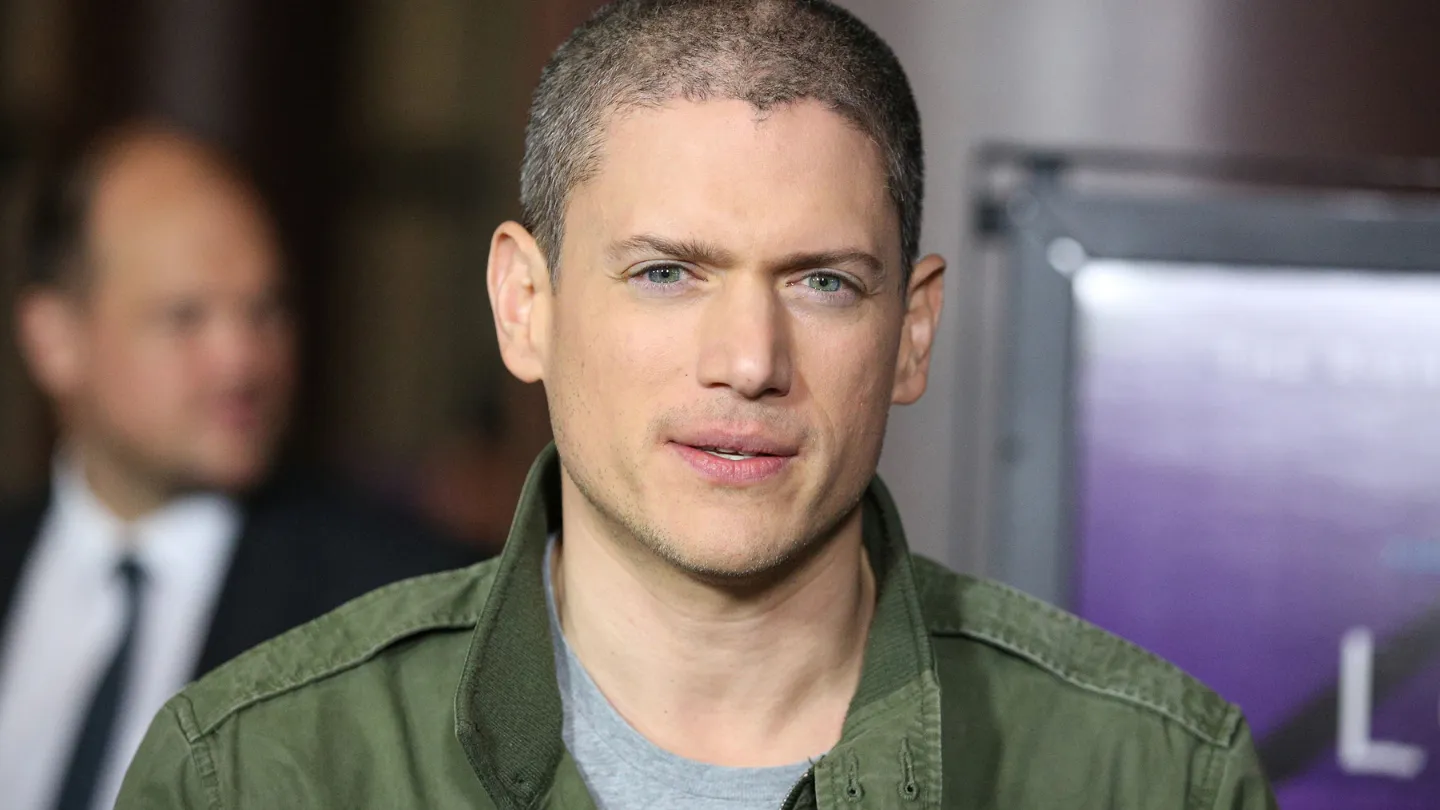
Take, for example, the impact of Greta Thunberg’s advocacy on climate change. While not autistic herself, her unfiltered, direct communication style has been likened to autistic traits, and she has spoken openly about how her neurodivergence fuels her passion for activism. Her ability to cut through the noise and demand action has inspired a generation of young people to do the same. Similarly, when actor Wentworth Miller revealed his autism diagnosis, he used his platform to discuss the intersection of neurodiversity and mental health, sparking conversations about the unique challenges faced by autistic individuals in high-pressure environments like Hollywood.
These advocates also play a crucial role in shaping policy. When celebrities lend their voices to causes, they bring attention to issues that might otherwise be overlooked. Organizations like Autism Speaks have faced criticism for their approach to advocacy, but the involvement of high-profile figures has undeniably brought autism into the mainstream conversation. Whether through public service announcements, charity work, or legislative lobbying, these advocates ensure that autism remains a topic of discussion—not just in medical journals or parent support groups, but in the halls of power where decisions are made.
The Paradox of Visibility: When Fame Meets Stigma
Yet, for all their influence, celebrity advocates walk a tightrope between visibility and vulnerability. Fame, while a powerful tool for change, can also amplify the very stigma they seek to dismantle. The pressure to perform—whether in their careers or in their advocacy—can be immense, and the scrutiny that comes with public life can feel like a microscope trained on their most intimate struggles.
Consider the case of Daryl Hannah, the actress who has spoken openly about her autism diagnosis and its impact on her life. For years, she kept her diagnosis private, fearing that it would limit her opportunities in Hollywood. It was only after years of struggling with anxiety and sensory overload that she found the courage to share her story. Her journey highlights the paradox of visibility: while fame can provide a platform for advocacy, it can also expose individuals to judgment, misunderstanding, and even exploitation.This paradox underscores the importance of authentic advocacy. True change does not come from performative allyship but from genuine connection—the kind that fosters empathy rather than pity. Celebrity advocates who share their stories with honesty and vulnerability remind us that autism is not a monolith but a mosaic of experiences, each one worthy of respect and understanding.

The Future of Neurodiversity: A World Reimagined
As society continues to evolve, so too does the conversation around autism. The voices of celebrity advocates are not just echoes of the present but beacons for the future—a future where neurodiversity is celebrated rather than tolerated, where differences are not just accepted but embraced as essential to the human experience.
This future is being built one story at a time. From the classrooms that adapt to different learning styles to the workplaces that value diverse perspectives, the seeds of change are being sown. And at the heart of this transformation are the advocates who refuse to be silenced, who turn their struggles into strengths, and who remind us that the world is not meant to be a uniform place but a vibrant, ever-changing tapestry of minds.
In the end, the story of autism and celebrity advocacy is not just about famous faces speaking out. It is about the power of visibility, the courage of vulnerability, and the unshakable belief that every mind has a right to be heard. It is a reminder that the most revolutionary acts are often the simplest ones: showing up, speaking truth, and refusing to let the world define you on its terms.
As we move forward, let us carry with us the lessons of these advocates—not just as inspirations, but as guides. Let us reimagine a world where neurodiversity is not just acknowledged but celebrated, where every voice, no matter how different, is given the space to sing. For in the grand symphony of life, it is the unexpected notes that make the music truly unforgettable.