
Chronic pain is often described as an uninvited guest that lingers far beyond its welcome, but for individuals with autism, this guest arrives not just with physical discomfort, but with a cacophony of sensory and cognitive dissonance. The intersection of autism and chronic pain is a labyrinth where the body’s signals are misinterpreted, where the mind struggles to articulate agony that feels both omnipresent and elusive. This duality transforms pain into a silent storm—one that rages internally while remaining invisible to the outside world. To understand this phenomenon is to recognize that chronic pain in autism is not merely a physical sensation; it is a symphony of misfiring neurons, sensory overload, and emotional turbulence, each note playing a role in a larger, often misunderstood composition.
For those on the spectrum, pain is not a straightforward affair. It is a kaleidoscope of sensations that shift unpredictably, defying conventional descriptions. A dull ache might suddenly morph into a searing burn, or a mild discomfort could escalate into a full-blown sensory avalanche. The brain, wired differently, processes these signals in ways that can feel like deciphering an ancient, fragmented language. This complexity demands a nuanced approach to both understanding and managing discomfort—one that honors the uniqueness of each individual’s experience.
The Neural Tapestry: How Autism Reshapes Pain Perception
At the heart of this intricate dance between autism and chronic pain lies the brain—a labyrinth of neural pathways that process sensory input in ways that can feel both heightened and fragmented. Research suggests that autistic individuals may experience pain differently due to differences in brain connectivity and sensory processing. The amygdala, the brain’s alarm system, often reacts more intensely to pain signals, while the prefrontal cortex, responsible for rationalizing and modulating pain, may struggle to keep pace. This disconnect can turn a minor ache into a full-blown crisis, leaving the individual grappling with emotions that feel disproportionate to the stimulus.
Imagine the brain as a vast, interconnected web, where each thread represents a different sensory experience. In autism, some threads may be frayed, others tangled, and a few entirely missing. When chronic pain enters this tapestry, it doesn’t just add a new thread—it unravels the entire fabric. The result is a sensory experience that feels like trying to navigate a maze blindfolded, where every turn brings a new, unexpected challenge. This neural tapestry explains why pain in autism can feel so overwhelming, so all-consuming, and so difficult to articulate.
The concept of proprioception—the body’s ability to sense its position in space—also plays a critical role. For autistic individuals, proprioceptive feedback can be distorted, making it difficult to gauge the intensity of pain or even locate its source. A headache might feel like a crushing weight on the entire skull, while joint pain could manifest as a diffuse, burning sensation that migrates unpredictably. This lack of clarity can lead to frustration, as the individual struggles to communicate their discomfort to caregivers or healthcare providers who may not understand the nuances of their experience.
Sensory Overload: When Pain Becomes a Symphony of Chaos
Chronic pain in autism is rarely experienced in isolation. It is often accompanied by a symphony of sensory stimuli—lights that feel like daggers, sounds that echo like thunder, textures that burn like acid. This sensory overload can amplify pain, turning a manageable discomfort into an unbearable ordeal. The brain, already struggling to process pain signals, is further taxed by the relentless bombardment of external stimuli, creating a feedback loop where pain and sensory distress feed off each other.
Consider the experience of a child with autism who suffers from migraines. The throbbing pain in their head is bad enough, but when combined with the hum of fluorescent lights or the distant chatter of classmates, the migraine transforms into a full-blown sensory catastrophe. The child may retreat into a quiet corner, covering their ears and eyes, their body language screaming for relief that no one seems to understand. This is the reality for many autistic individuals: pain is not just a physical sensation but a multi-sensory storm that demands to be acknowledged.
Sensory overload can also make it difficult to engage in activities that might otherwise provide distraction or relief. A soothing bath, for example, might become a nightmare if the water temperature feels scalding or the scent of soap triggers nausea. Even the act of lying down to rest can be fraught with discomfort if the individual’s body feels like it’s being crushed under an invisible weight. This interplay between pain and sensory sensitivity underscores the need for holistic management strategies that address both the physical and environmental aspects of discomfort.
Communication Barriers: The Silent Struggle to Be Heard
One of the most heartbreaking aspects of chronic pain in autism is the difficulty in communicating its intensity. Many autistic individuals, particularly those who are nonverbal or have limited verbal abilities, lack the tools to express their discomfort in ways that others can easily understand. This communication barrier can lead to misdiagnosis, inadequate treatment, and a profound sense of isolation. The pain remains unspoken, a secret torment that festers beneath the surface, unseen and unheard.
For those who can articulate their pain, the challenge often lies in finding the right words. Traditional pain scales—like the numeric rating scale or the Wong-Baker FACES scale—may not capture the complexity of their experience. A score of “7 out of 10” might not convey the way pain feels like a living entity, gnawing at their insides, or the way it disrupts their ability to focus, sleep, or engage with the world. This linguistic gap can leave healthcare providers grasping at straws, relying on incomplete or inaccurate descriptions to guide treatment.
Nonverbal autistic individuals may resort to alternative forms of communication, such as body language, vocalizations, or changes in routine. A sudden refusal to eat might indicate abdominal pain, while repetitive rocking could signal joint discomfort. Caregivers and clinicians must become fluent in these subtle cues, learning to read the body’s language as fluently as they would a spoken word. This requires patience, observation, and a willingness to listen beyond the conventional channels of communication.
Management Strategies: Navigating the Labyrinth of Relief
Managing chronic pain in autism is not a one-size-fits-all endeavor. It requires a tailored approach that considers the individual’s sensory profile, communication style, and personal preferences. The goal is not just to alleviate pain but to create an environment where the individual feels safe, understood, and empowered to navigate their discomfort.
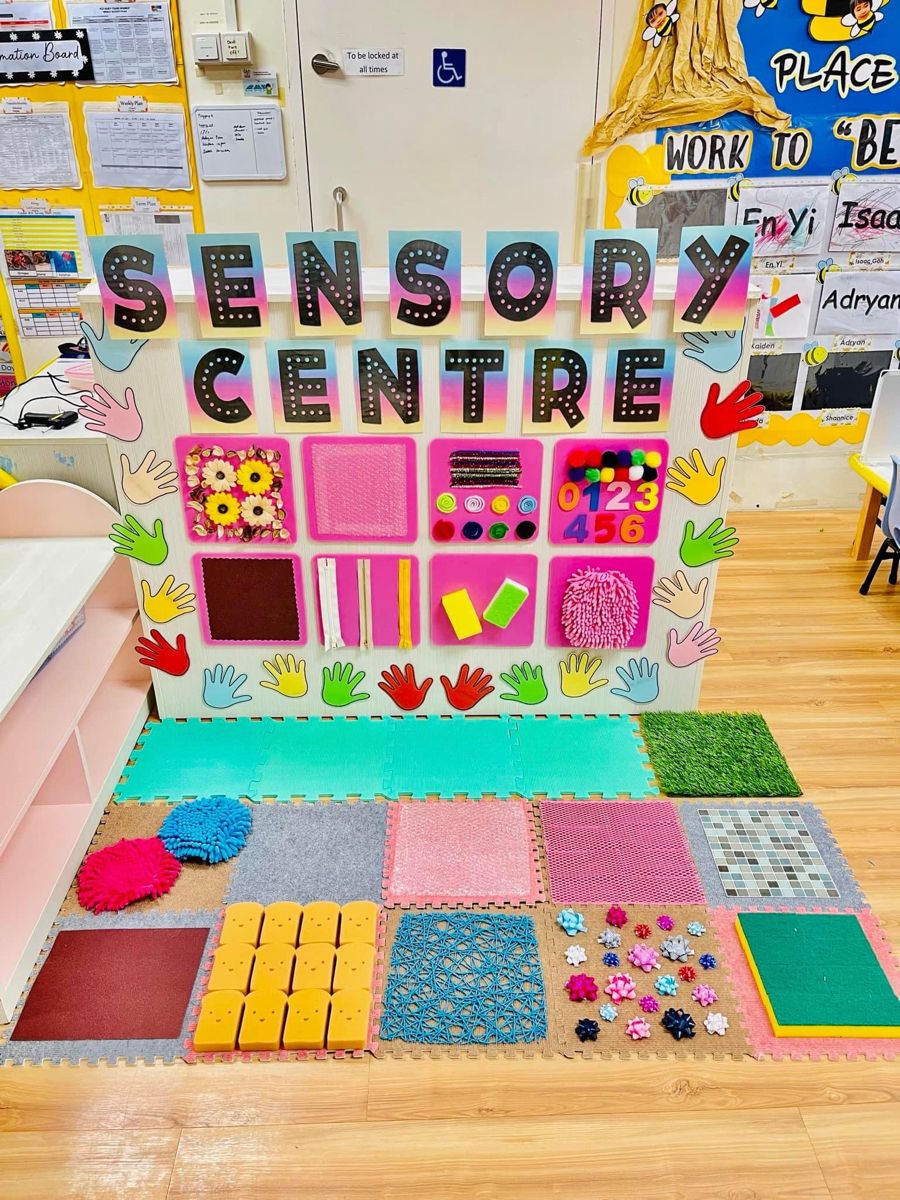
Sensory Regulation: Creating a sensory-friendly environment is paramount. This might involve reducing bright lights, minimizing background noise, or providing weighted blankets to offer deep pressure input. For some, the use of noise-canceling headphones or sunglasses can be a lifeline, shielding them from the overwhelming stimuli that exacerbate pain. The key is to identify and eliminate triggers while introducing calming sensory inputs, such as soft textures, gentle vibrations, or soothing scents.
Pain Tracking and Communication Tools: For those who struggle to articulate their pain, visual aids can be invaluable. Pain diaries with emoji-based scales or color-coded charts can help individuals convey the intensity and nature of their discomfort. Apps designed for nonverbal communication, such as those using picture exchange systems or voice-output devices, can bridge the gap between the individual and their caregivers. These tools not only aid in diagnosis but also foster a sense of agency, allowing the individual to take an active role in their pain management.
Alternative Therapies: Traditional pain medications may not always be effective or well-tolerated by autistic individuals, particularly if they have sensitivities to certain chemicals or textures. Alternative therapies, such as acupuncture, massage, or hydrotherapy, can offer relief without the side effects of pharmaceuticals. Mindfulness and meditation, adapted to the individual’s sensory needs, can also help them develop coping strategies for pain flare-ups. For some, the rhythmic motion of swinging or rocking can provide a soothing distraction, while others may find solace in the repetitive patterns of music or art.
Collaborative Care: A multidisciplinary approach is essential. Occupational therapists can work on sensory integration techniques, while physical therapists can address muscle tension and joint stiffness. Mental health professionals can provide support for the emotional toll of chronic pain, helping the individual process feelings of frustration, anxiety, or depression. The collaboration between these specialists ensures that every aspect of the individual’s experience is addressed, from the physical to the emotional.
The Emotional Landscape: When Pain Colors the World
Chronic pain does not exist in a vacuum. It seeps into every corner of life, coloring emotions, relationships, and self-perception. For autistic individuals, the emotional impact of pain can be particularly profound, as they may already grapple with challenges in emotional regulation and social understanding. Pain can amplify feelings of frustration, leading to meltdowns or shutdowns that are mistaken for behavioral issues rather than expressions of distress. It can erode self-esteem, making the individual feel like a burden or a failure when they are unable to “push through” the pain as others might.
The isolation that often accompanies chronic pain is another heavy burden. Well-meaning friends and family may struggle to comprehend the individual’s experience, leading to a sense of alienation. The individual may withdraw, not out of choice, but out of necessity, as the world feels too loud, too bright, and too painful to navigate. This withdrawal can be misinterpreted as disinterest or disengagement, further deepening the emotional rift between the individual and their support network.
Yet, within this emotional landscape, there is also resilience. Many autistic individuals develop a remarkable capacity for adaptation, finding creative ways to cope with pain that others might find overwhelming. They may discover hidden strengths in their ability to hyperfocus on calming activities or to find solace in routines that provide structure and predictability. The key is to nurture this resilience, to validate their experiences, and to remind them that their pain is real, even if it is invisible to the outside world.
Chronic pain in autism is a silent storm, a complex interplay of sensory, emotional, and physical challenges that demand a nuanced and compassionate response. It is not a monolith but a spectrum, where each individual’s experience is as unique as their fingerprint. To manage this pain is to navigate a labyrinth, where every turn offers a new perspective, a new challenge, and a new opportunity for understanding. It requires patience, creativity, and a willingness to listen—not just to the words that are spoken, but to the unspoken language of the body and the soul.
For those who walk this path, whether as individuals with autism or as their caregivers, the journey is not one of quick fixes or easy answers. It is a journey of small victories, of finding light in the darkness, and of learning to coexist with discomfort without letting it define one’s existence. In the end, the goal is not to eliminate pain entirely but to create a world where it is met with empathy, where its complexities are honored, and where every individual is given the tools to navigate their own unique labyrinth with dignity and grace.