Have you ever wondered how the intricate tapestry of autism interweaves with the often invisible yet relentless reality of chronic pain? It might seem like an unusual question—after all, autism is primarily seen as a neurodevelopmental condition, and chronic pain as a somatic experience. But beneath the surface lies a complex interaction that challenges conventional understanding and invites a deeper exploration into the lived experiences of individuals navigating both realms simultaneously.
The Intersection of Autism and Chronic Pain: An Overlooked Nexus
Chronic pain, by definition, is pain persisting beyond the typical healing period, often lasting months or even years. Autism spectrum disorder (ASD), meanwhile, encompasses a diverse array of neurological differences primarily characterized by differences in social communication and behavior. At first glance, these might appear unrelated. Yet emerging evidence and anecdotal reports suggest that individuals on the autism spectrum may experience chronic pain differently, with unique challenges in perception, communication, and coping.

One significant issue is sensory processing atypicalities prevalent in autism. Heightened or diminished sensory sensitivity can cause discomfort or pain to be either under- or over-reported. Some individuals may experience heightened pain perception, while others may under-recognize distress signals, masking underlying chronic conditions. This paradox complicates diagnosis and treatment, demanding tailored approaches grounded in an appreciation of neurodivergence.
Sensory Sensitivities and Pain Perception
Autistic individuals often experience sensory input in ways that are starkly different from neurotypical individuals. This altered sensory landscape isn’t limited to sights and sounds; it extends profoundly into the domain of physical sensation and pain. An innocuous stimulus for one person might register as agonizingly painful for another.
Conversely, hypoesthesia—reduced sensitivity to pain—can also be observed. This can be especially perilous, as the absence of typical pain cues can delay seeking treatment for injuries or illnesses, potentially exacerbating the chronicity of pain problems.
Moreover, chronic pain itself may modulate sensory processing, making a person hypervigilant or desensitized in surprising ways. This bidirectional relationship between sensory sensitivity and pain perception creates a nuanced, often convoluted, clinical picture that requires meticulous unraveling.
The Communication Conundrum: Expressing Pain in Autism
How does one articulate persistent suffering when the very language of pain is elusive? Communication challenges intrinsic to autism further obscure the recognition and management of chronic pain. Some individuals may find it difficult to identify, describe, or localize their pain, leading to underreporting and consequent under-treatment.
Nonverbal cues, expressions, and behavioral changes might be the only indicators of distress, yet these can be misinterpreted or overlooked by caregivers and healthcare providers unfamiliar with the individual’s baseline behavior. These misunderstandings contribute to delays in diagnosing chronic pain conditions and limit access to appropriate interventions.
Innovative communication tools, including augmented and alternative communication (AAC) systems, and increased clinical awareness of neurodiverse pain expression are paramount in bridging this gap.
Psychological and Emotional Implications
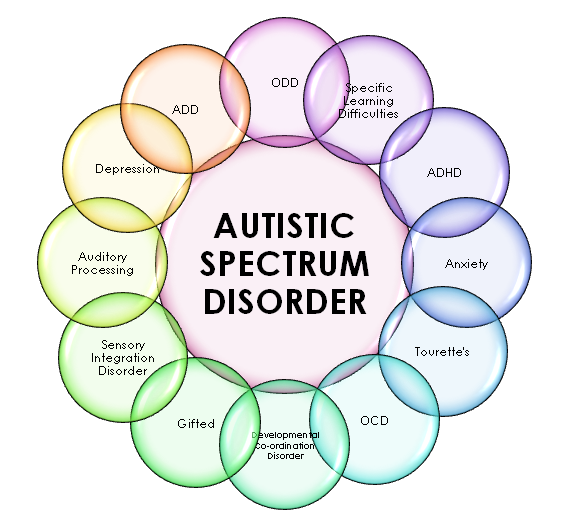
Living at the crossroads of autism and chronic pain can be emotionally fraught. Chronic pain is inherently isolating, often accompanied by anxiety, depression, and a sense of helplessness. For autistic individuals, who may already grapple with social challenges, these psychological overlays compound the difficulty in managing daily life.
Moreover, rigid routines and sensory preferences typical in autism can be severely disrupted by pain, causing additional distress and behavioral challenges. This interplay underscores the importance of holistic care that addresses not just physical symptoms but also emotional resilience and coping strategies.
Compounding Challenges in Diagnosis and Treatment
The multifaceted nature of pain in autism often leads to diagnostic overshadowing, where symptoms are misattributed solely to autism rather than an underlying pain condition. This phenomenon obstructs timely and accurate diagnosis, which is essential for effective pain management.
Treatment modalities must be carefully calibrated, taking into account potential sensory aversions to medications or physical therapies, and the impact of side effects on cognitive and emotional well-being. Multidisciplinary approaches involving pain specialists, behavioral therapists, occupational therapists, and neurologists are often crucial.

Emerging research points to the promise of individualized pain management protocols that prioritize patient-centered care, sensory accommodations, and psychological support, thereby enhancing quality of life.
Advocacy and Future Directions
Awareness of the intersection between autism and chronic pain is still in its infancy, but advocacy efforts continue to amplify the voices of those affected. Empowering autistic individuals to articulate their experiences and participate in their care is fundamental to advancing research and improving clinical outcomes.
Technological innovations, such as wearable pain trackers and AI-driven communication aids, hold potential in overcoming barriers posed by atypical pain expression. Furthermore, fostering education among healthcare professionals about the nuances of pain in autism will reduce disparities in care and promote empathy.
Understanding chronic pain within the context of autism is no mere academic exercise; it is a call to recognize the layered complexity of human experience. The challenge lies in bridging gaps—between mind and body, expression and understanding, science and compassion. By embracing this intricate synergy, healthcare can transcend limitations, delivering care that truly resonates.
Ultimately, acknowledging the coexistence of autism and chronic pain not only enriches clinical insight but also honors the resilience of individuals navigating this double-edged journey. It invites a reimagining of pain management, propelled by curiosity, patience, and unwavering commitment to holistic well-being.