In the vast, bustling kitchen of life, cooking is not merely an act of nourishment—it is a symphony of senses, a dance of dexterity, and a canvas of creativity. For individuals with autism, this culinary ballet can be both a profound challenge and a deeply rewarding endeavor. The sizzle of a pan, the aroma of spices, the tactile embrace of dough—each element weaves into a tapestry of sensory and cognitive engagement. Yet, the path to mastering these skills is often fraught with obstacles, from the overwhelming cacophony of a busy kitchen to the precise choreography required to wield a knife without peril. This exploration delves into the intricate world of autism and cooking, illuminating the strategies that transform meal prep from a daunting task into a triumph of independence and self-expression.
The Kitchen as a Labyrinth: Navigating Sensory Overload
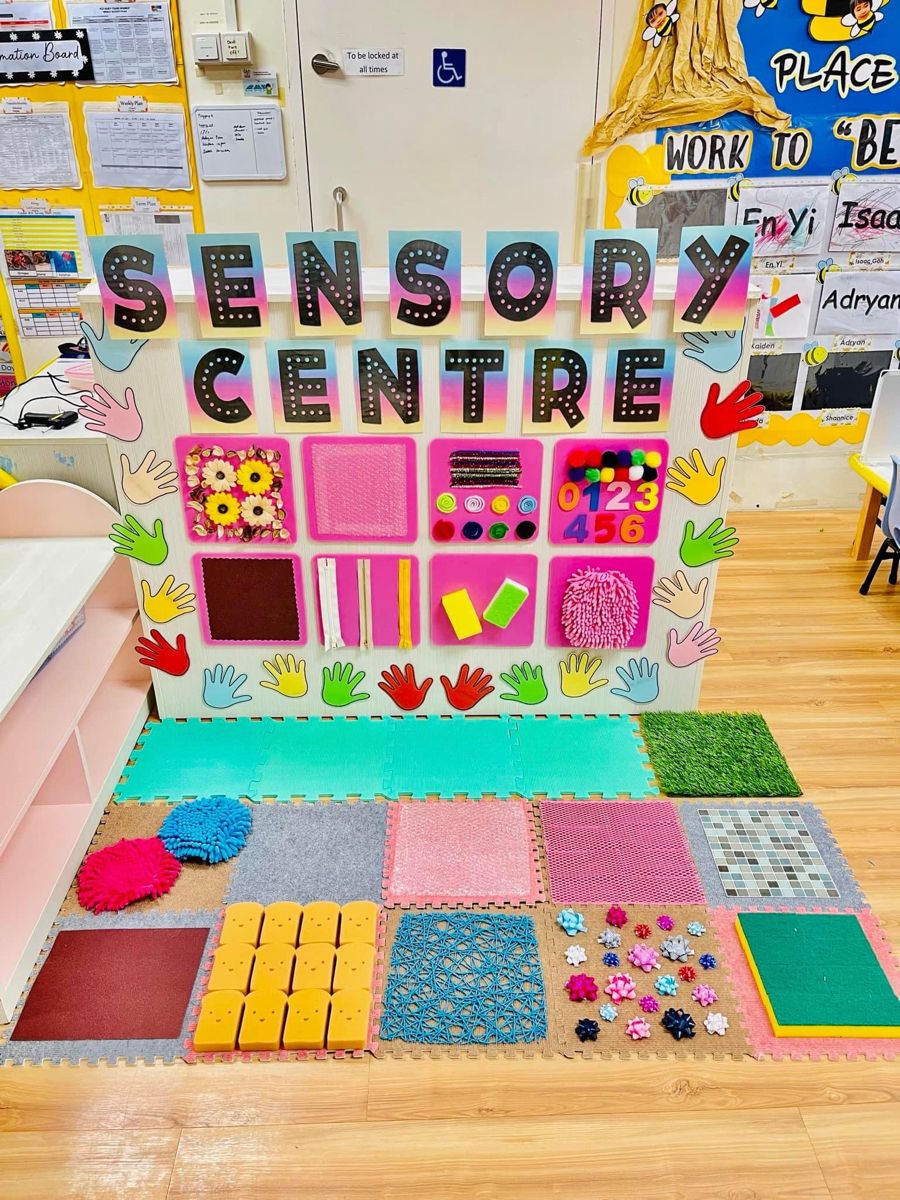
The modern kitchen is a sensory carnival—vibrant hues of fresh produce, the hum of appliances, the clatter of utensils, and the pungent tang of onions sautéing in oil. For someone with autism, this environment can feel less like a place of creation and more like a labyrinth of overwhelming stimuli. The flicker of fluorescent lights may cast an unsettling glare, while the rhythmic whir of a blender could feel like a sonic assault. Even the texture of raw ingredients—slimy seafood, gritty flour, or the waxy sheen of an apple’s skin—can trigger tactile defensiveness, turning a simple act of meal preparation into a gauntlet of discomfort.
Yet, within this sensory chaos lies an opportunity for gradual acclimation. Occupational therapists often employ a technique known as sensory integration, where individuals are gently exposed to stimuli in a controlled, predictable manner. Imagine a child with autism first touching a single grain of rice, then a handful, before eventually plunging their hands into a bowl of uncooked pasta. Each step is a victory, a small rebellion against the tyranny of sensory overwhelm. The key is patience and repetition, allowing the brain to recalibrate its responses until the kitchen no longer feels like a battleground but a playground of possibility.
Precision and Patience: The Alchemy of Meal Prep
Cooking is, at its core, a study in precision. A teaspoon too much salt, a minute too long in the oven, and the delicate balance of flavors collapses like a house of cards. For individuals with autism, the demands of fine motor control and sequential processing can make this precision feel like an insurmountable hurdle. Chopping vegetables requires not just strength but a keen awareness of spatial relationships—the knife must glide through the carrot at just the right angle, neither too shallow nor too deep. Stirring a pot demands a steady hand, lest the sauce splatter or scorch.
Enter the realm of task analysis, a method where complex activities are broken down into smaller, manageable steps. A recipe for spaghetti sauce might be distilled into a series of discrete tasks: boiling water, draining pasta, sautéing onions, adding tomatoes. Each step is practiced in isolation before being woven back into the whole. Visual aids, such as picture-based instructions or color-coded measuring cups, can further demystify the process. The goal is not just to cook but to instill confidence—a quiet assurance that, with each measured motion, the dish is inching closer to perfection.
Moreover, meal prep is an exercise in delayed gratification. The immediate reward of a finished meal is often distant, obscured by the tedium of chopping, stirring, and waiting. For those who thrive on instant feedback, this can be discouraging. Here, the solution lies in reframing the experience. Instead of viewing meal prep as a means to an end, it can be reimagined as a ritual—a meditative act of creation. The rhythmic chopping of vegetables becomes a drumbeat, the simmering of a sauce a lullaby. In this light, the kitchen transforms from a factory of labor into a sanctuary of mindfulness.
Safety as Sanctuary: The Art of Kitchen Vigilance
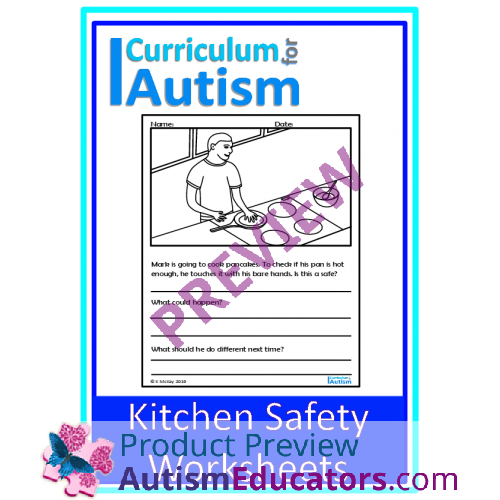
The kitchen is not just a place of creation; it is also a realm of risk. A misplaced pot handle, a forgotten pot on the stove, or a slippery floor can turn a culinary adventure into a perilous ordeal. For individuals with autism, who may struggle with executive function or impulsivity, these hazards loom larger. The solution, however, is not to barricade the kitchen but to fortify it with knowledge and safeguards.
Kitchen safety begins with education. Simple rules—never leave a stove unattended, keep flammable materials away from heat, always use oven mitts—must be ingrained through repetition and reinforcement. Visual reminders, such as a poster of a smiling chef holding a fire extinguisher, can serve as gentle, constant nudges. For those who benefit from tactile cues, textured placemats or brightly colored tape on the floor can demarcate safe zones, guiding movement with silent precision.
Yet, the most potent tool in the arsenal of kitchen safety is predictability. A routine—always washing hands before cooking, always turning pot handles inward—creates a framework within which creativity can flourish. The kitchen becomes less a minefield of unknowns and more a familiar terrain, where each step is a known quantity. In this way, safety is not a constraint but a foundation, allowing the cook to explore with confidence rather than trepidation.
The Ripple Effect: Cooking as a Gateway to Independence
The skills honed in the kitchen extend far beyond the realm of culinary arts. Meal prep is a microcosm of life itself—demanding planning, problem-solving, and perseverance. When an individual with autism masters the art of cooking, they are not just learning to feed themselves; they are forging pathways to autonomy. The ability to prepare a meal is a declaration of self-sufficiency, a quiet assertion that they, too, can navigate the world with competence and grace.
Moreover, cooking fosters social connections. Sharing a meal is an act of communion, a bridge between individuals. For those who may struggle with verbal communication, the shared experience of preparing and enjoying food can be a powerful form of expression. A parent and child cooking side by side, a group of friends assembling a pizza—these moments are not just about sustenance but about belonging.
There is also an economic dimension to this independence. The ability to cook at home reduces reliance on takeout or pre-packaged meals, offering both financial savings and nutritional benefits. In a world where processed foods dominate, the act of cooking is an act of rebellion—a reclaiming of agency over one’s health and well-being.
The Unseen Ingredient: The Role of Support Systems
No chef operates in a vacuum, and neither does the individual with autism navigating the kitchen. Behind every successful cook is a network of support—therapists who design tailored interventions, family members who offer encouragement, teachers who break down complex tasks into digestible steps. This support system is the invisible yeast that allows the dough of independence to rise.
Technology, too, plays a role. Apps that provide step-by-step video instructions, smart kitchen gadgets that automate repetitive tasks, or even virtual reality simulations that allow for risk-free practice—these tools are the modern equivalents of a sous-chef, standing by to lend a hand. The key is to leverage these resources without overshadowing the individual’s own agency. The goal is not to create dependency but to build capacity, one measured step at a time.
The kitchen is more than a room; it is a crucible where challenges are transformed into strengths, where sensory storms are calmed into rhythmic flows, and where isolation gives way to connection. For individuals with autism, cooking is not just about feeding the body—it is about nourishing the soul. It is a testament to resilience, a celebration of capability, and a reminder that every person, regardless of neurotype, possesses the capacity to create, to nurture, and to thrive. In the end, the most profound recipe is not one written in a cookbook but one written in the heart—a recipe for a life lived with courage, creativity, and a dash of culinary magic.