In a world that often feels cacophonous and overwhelming, crafting emerges as a quiet revolution—a sanctuary where hands move with purpose, and minds find solace in the rhythm of creation. For individuals with autism, the tactile embrace of DIY projects transcends mere hobby; it becomes a lifeline to self-expression, a bridge to understanding, and a canvas for sensory exploration. This article ventures into the transformative power of autism and crafting, where sensory-friendly DIY projects redefine engagement, ignite curiosity, and foster a profound shift in perspective. Prepare to discover how the simplest materials can unlock doors to creativity, connection, and calm.
The Alchemy of Touch: How Crafting Transforms Sensory Experiences
Sensory processing differences in autism often manifest as either an aversion to or a craving for tactile stimulation. Crafting, with its myriad textures, temperatures, and pressures, offers a controlled yet dynamic environment to explore these sensations. Consider the gentle resistance of clay between fingers, the smooth glide of a paintbrush, or the crisp snap of paper being torn—each action engages the senses in a way that feels both predictable and exhilarating.
For those who experience hyper- or hypo-sensitivity, sensory-friendly crafting isn’t just about avoiding overwhelm; it’s about curating experiences that align with individual thresholds. Weighted fabrics, soft bristle brushes, and non-toxic, odorless adhesives become tools of empowerment. The act of kneading dough or threading beads isn’t merely productive—it’s a form of sensory integration, a way to recalibrate the nervous system and reclaim agency over one’s environment.
Imagine a child who recoils from the texture of sandpaper suddenly finding solace in the velvety smoothness of a freshly sanded wooden block. Crafting becomes a dialogue between the creator and the materials, a conversation that speaks in the language of touch, sight, and sound. This alchemy of sensory engagement doesn’t just soothe; it reshapes how the world is perceived, one project at a time.
From Chaos to Creation: Crafting as a Pathway to Focus and Flow
The concept of “flow”—that state of deep immersion where time dissolves and focus sharpens—isn’t reserved for elite athletes or virtuoso musicians. Crafting, particularly when tailored to sensory preferences, can induce this same transcendent state for individuals with autism. The key lies in designing projects that strike a balance between challenge and predictability, novelty and familiarity.
Take, for instance, a structured weaving project using pre-cut ribbons and a loom with clear, visual guides. The repetitive motion of threading, the tactile feedback of the loom’s tension, and the visual rhythm of the emerging pattern create a meditative loop. There’s no ambiguity in the steps, yet the outcome remains a surprise—a tangible testament to patience and persistence. This isn’t just crafting; it’s a form of cognitive choreography, where the brain and body synchronize in harmony.
For those who struggle with executive function, the tactile and visual cues of crafting provide external scaffolding, reducing the cognitive load of planning and execution. A color-coded bead threading kit or a puzzle-piece collage with numbered sections transforms abstract tasks into concrete, achievable steps. The result? A reduction in frustration, an uptick in confidence, and a newfound trust in one’s ability to create order from chaos.
The Social Stitch: Crafting as a Bridge to Connection
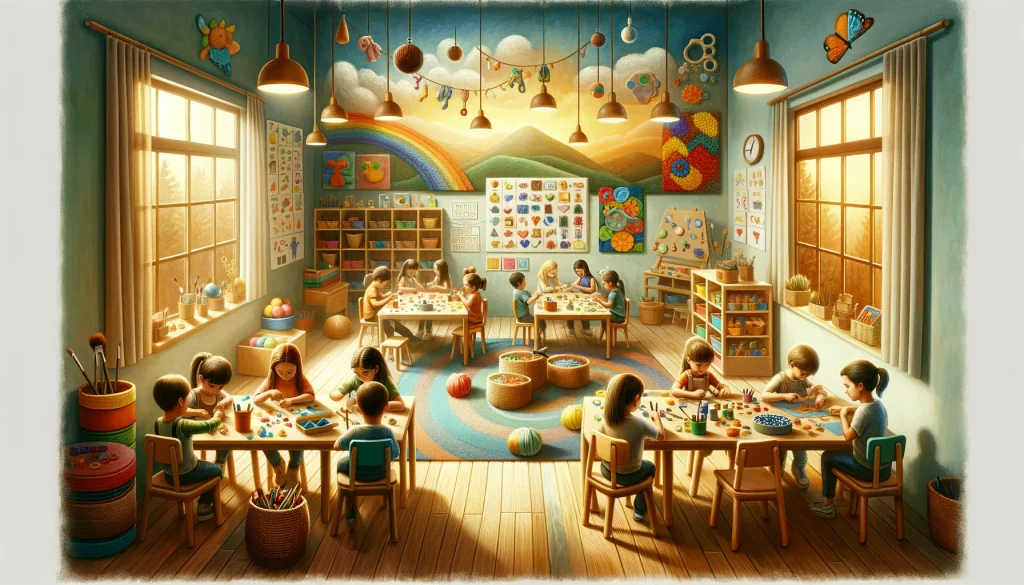
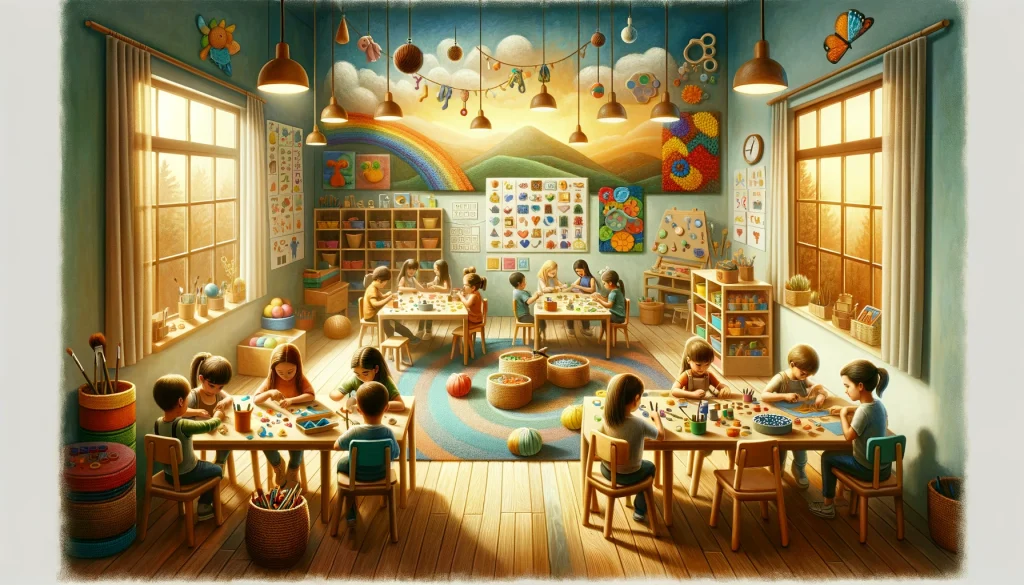
Crafting isn’t an inherently solitary pursuit, though it’s often romanticized as such. For individuals with autism, shared creative spaces—whether in classrooms, therapy sessions, or community workshops—offer a rare opportunity to connect without the pressure of conventional social interaction. The unspoken language of crafting—gestures, shared materials, and collaborative problem-solving—creates a low-stakes environment where communication flourishes.
Consider a group mural project where each participant contributes a section. The act of painting side by side, without the expectation of eye contact or verbal exchange, allows for a different kind of intimacy. The shared goal—a vibrant, collective artwork—becomes a focal point that transcends individual differences. Crafting, in this context, isn’t just about the end product; it’s about the shared experience of creation, where every brushstroke or stitch is a thread weaving the group closer together.
Even in one-on-one settings, crafting can serve as a catalyst for social growth. A therapist guiding a child through a clay sculpting session might mirror the child’s actions, creating a nonverbal dialogue that builds trust. The tactile feedback of the clay becomes a medium for emotional expression, a way to externalize feelings that might otherwise remain unspoken. In this way, crafting doesn’t just connect people to materials—it connects them to each other.
Innovative Materials: Redefining Crafting for Diverse Sensory Needs
The world of crafting is no longer confined to traditional supplies like paper, glue, and scissors. Today, a vast array of innovative materials caters to diverse sensory profiles, ensuring that everyone can find joy in creation. Silicone-based clays that never dry out, textured fabrics with varying densities, and even conductive threads for simple electronics projects expand the possibilities exponentially.
For individuals who seek deep pressure input, weighted sensory brushes or fabric with embedded beads can provide the tactile feedback they crave. Conversely, those who prefer lighter touch might gravitate toward air-dry clays or delicate origami papers. The rise of adaptive crafting kits—pre-packaged sets with tools designed for specific sensory needs—has democratized access to creativity, ensuring that no one is left on the sidelines.
Even the tools themselves are evolving. Ergonomic scissors with spring-action handles reduce strain, while non-slip mats keep materials in place for those with fine motor challenges. The goal isn’t just to make crafting possible; it’s to make it effortless, enjoyable, and tailored to the individual’s unique sensory landscape. In this era of inclusive design, crafting becomes a universal language, spoken in the dialects of touch, sight, and sound.
Beyond the Craft Table: Integrating DIY Projects into Daily Life
The magic of sensory-friendly crafting doesn’t end when the project is complete. The skills, confidence, and sensory regulation cultivated at the craft table can ripple outward, transforming everyday experiences. A child who masters the art of beading might transfer that patience and focus to other tasks, like organizing their belongings or completing homework. An adult who finds solace in knitting might discover a new way to unwind after a stressful day at work.
Crafting can also serve as a tool for environmental adaptation. Sensory-friendly DIY projects can be tailored to specific spaces, like creating a textured doormat to signal the transition from outdoors to indoors or designing a weighted lap pad for use during seated activities. These projects aren’t just decorative; they’re functional, designed to enhance comfort and reduce sensory overload in real-world settings.
The ripple effect extends to social narratives as well. When individuals with autism share their crafting achievements—whether it’s a gallery display of their artwork or a handmade gift for a loved one—they challenge stereotypes and showcase their unique talents. Crafting becomes a platform for advocacy, a way to communicate their experiences and perspectives to a wider audience. In this way, the act of creation transcends the personal, becoming a tool for societal change.
Crafting, in its most sensory-friendly form, is more than a pastime; it’s a revolution in how we perceive and interact with the world. For individuals with autism, it offers a sanctuary of touch, a pathway to focus, and a bridge to connection. It transforms materials into messengers of emotion, tools into extensions of the self, and projects into milestones of growth. As we reimagine the role of crafting in our lives, we’re not just creating art—we’re crafting a more inclusive, understanding, and vibrant world. The next time you pick up a paintbrush or thread a needle, remember: you’re not just making something. You’re making a difference.