
In the intricate dance of human interaction, few rhythms are as delicate—or as misunderstood—as those of an autistic individual navigating a crisis. Imagine, if you will, a symphony where the conductor’s baton is a flicker of light, the sheet music a cascade of sensations, and the orchestra a cacophony of unspoken needs. When the crescendo of overwhelm crashes like a tidal wave, the art of de-escalation becomes less about force and more about attunement. Autism and crisis intervention are not adversaries; they are two sides of a coin, each demanding a nuanced approach to restore harmony. This is the story of how understanding the storm within can transform chaos into calm.
The journey begins not with the crisis itself, but with the quiet moments that precede it. Autistic individuals often experience the world as a series of fragmented stimuli, where the hum of a fluorescent light or the texture of a fabric can feel like a physical assault. When these sensory avalanches collide with emotional triggers—unmet expectations, social misunderstandings, or sheer exhaustion—the result is a pressure cooker of distress. De-escalation, then, is not a battle to be won but a bridge to be built, one plank at a time, with patience as the mortar.
The Anatomy of a Crisis: Decoding the Unspoken Signals
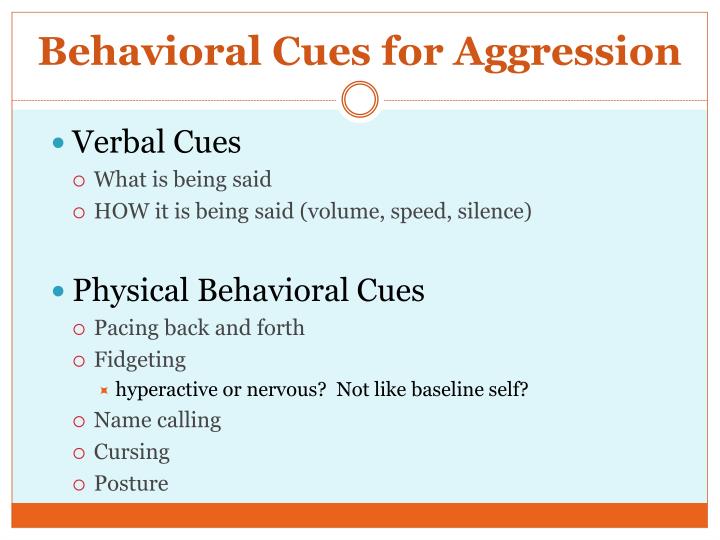
Before intervention can begin, one must learn to read the language of distress. Autistic individuals may not always articulate their turmoil in words; instead, they communicate through the body. A clenched jaw, averted gaze, or repetitive movements are not mere habits—they are Morse code, signaling a need for space or a plea for understanding. The first step in de-escalation is to recognize these cues as valid expressions of pain, not defiance.
Consider the case of a child who, overwhelmed by a crowded room, begins to flap their hands vigorously. To an untrained eye, this might seem like agitation. To the trained observer, it is a lifeline—a way to self-soothe in the face of sensory overload. The key lies in differentiating between maladaptive behaviors (those that harm) and adaptive ones (those that help). Crisis intervention must honor the latter while gently guiding the former toward safer shores.
The Gentle Art of Presence: Less Is Often More
In the theater of crisis intervention, the most powerful actor is not the one who commands the stage but the one who listens. Autistic individuals frequently report that the presence of a calm, non-intrusive person can be a balm to their frayed nerves. This presence does not demand eye contact or conversation; it simply exists, a silent sentinel in the storm. The goal is not to fix the crisis but to create a sanctuary where the individual feels seen and safe.
This approach requires a counterintuitive shift in perspective. Instead of rushing to solve the problem, the de-escalator must first acknowledge the emotions at play. Phrases like “I see this is really hard for you” or “You’re not alone in this” can act as emotional anchors, grounding the individual in a shared reality. The power of these words lies not in their complexity but in their sincerity—a reminder that their feelings are valid, even when their behavior is not.
Sensory Alchemy: Turning Chaos into Comfort
Sensory regulation is the alchemy of crisis intervention. For an autistic person, the world is a minefield of stimuli, each one capable of detonating a meltdown. The de-escalator’s role is to act as a filter, reducing the noise and amplifying the signals that bring comfort. This might mean dimming harsh lights, offering noise-canceling headphones, or providing a weighted blanket to ground the individual in physical sensation.
But sensory intervention is not one-size-fits-all. What soothes one person—a cool compress on the neck, the scent of lavender—might agitate another. The key is to collaborate with the individual, asking (when possible) what they need or observing their preferences over time. A well-timed offer of a favorite fidget toy or a quiet corner can be the difference between escalation and resolution.

The Power of Predictability: Anchoring in Uncertainty
Autistic individuals thrive in predictable environments, where the unknown is not a threat but a curiosity. A crisis often erupts when the familiar dissolves into chaos. De-escalation, then, must restore a sense of order, even if only temporarily. This can be achieved through clear, concise communication—phrases like “We will take a break in five minutes” or “I’m here until you feel safe” provide a temporal anchor, a promise that the storm will pass.
Visual schedules, social stories, or even a simple countdown can serve as lifelines in moments of distress. The goal is not to infantilize but to demystify the process. When an individual knows what to expect, their brain is less likely to spiral into catastrophic thinking. Predictability is the quiet guardian that shields against the chaos of the unknown.
Collaboration Over Control: The Dance of Shared Autonomy
Crisis intervention is not a solo performance. The most effective de-escalators are those who recognize that the autistic individual is not a passive recipient of help but an active participant in their own recovery. This means involving them in decisions whenever possible—asking if they want to sit or stand, offering choices between two options, or simply giving them the space to communicate their needs in their own way.
This collaborative approach fosters a sense of agency, which is often the first casualty of a crisis. When an individual feels heard and respected, their defensive mechanisms soften, and the path to resolution becomes clearer. It is a dance of give-and-take, where the de-escalator leads not by force but by invitation.
The Long Game: Building Resilience Beyond the Crisis
De-escalation is not a one-time event but a skill to be cultivated. The true measure of crisis intervention lies not in how quickly a meltdown is quelled but in how it strengthens the individual’s ability to navigate future storms. This requires a long-term commitment to understanding the person’s triggers, preferences, and coping mechanisms. It means teaching them—gently, patiently—the tools they need to self-regulate, whether through deep-pressure techniques, mindfulness, or simply knowing when to ask for help.
For caregivers, educators, and peers, this journey is one of continuous learning. It demands humility, the willingness to admit when a strategy fails, and the courage to try again. The goal is not perfection but progress—a steady accumulation of trust and understanding that turns crises from insurmountable walls into manageable hills.
The final act of this narrative is not the resolution of the crisis but the quiet aftermath. When the storm has passed, the de-escalator’s role shifts from crisis manager to ally. A simple “I’m proud of you for getting through that” can be a beacon of hope, a reminder that even in the darkest moments, they are not alone. Crisis intervention, then, is not just about stopping the chaos—it is about lighting the way forward.
In the end, autism and crisis intervention are not about fixing what is broken but about uncovering the resilience that was always there. It is a testament to the human capacity for adaptation, a reminder that even in the most turbulent waters, there is always a shore to be found.












