In the vast landscape of therapeutic interventions for autism spectrum disorder (ASD), dance and movement therapy herald an evocative and transformative shift. Where traditional methodologies often rely on verbal communication and structured cognitive strategies, this kinetic approach unshackles expression from the confines of language, inviting the body to articulate the inexpressible. It offers an alternative lexicon—one woven through rhythm, spatial awareness, and the subtle poetry of motion—opening doors to connection and self-discovery.
Reimagining Therapy: The Nexus of Autism and Movement
The human body is an unparalleled instrument of communication. For individuals with autism, whose challenges frequently encompass social interaction and sensory processing, dance and movement therapy propose more than simple physical activity; they provide a novel syntax to decode and reframe experience. Unlike conventional therapies grounded in intellectual verbalizations, movement as therapy embodies a somatic dialogue, allowing participants to externalize internal states through tactile and kinesthetic language.
This therapeutic paradigm challenges the conventional perception that success must be measured solely by verbal milestones or outward behavioral conformity. Instead, it prioritizes embodied awareness and nonverbal connectivity. Such an approach reorients caregivers, therapists, and educators to value nuance over normativity, fostering deeper empathy and attunement.
Mechanisms of Change: How Movement Engenders Neuroplasticity
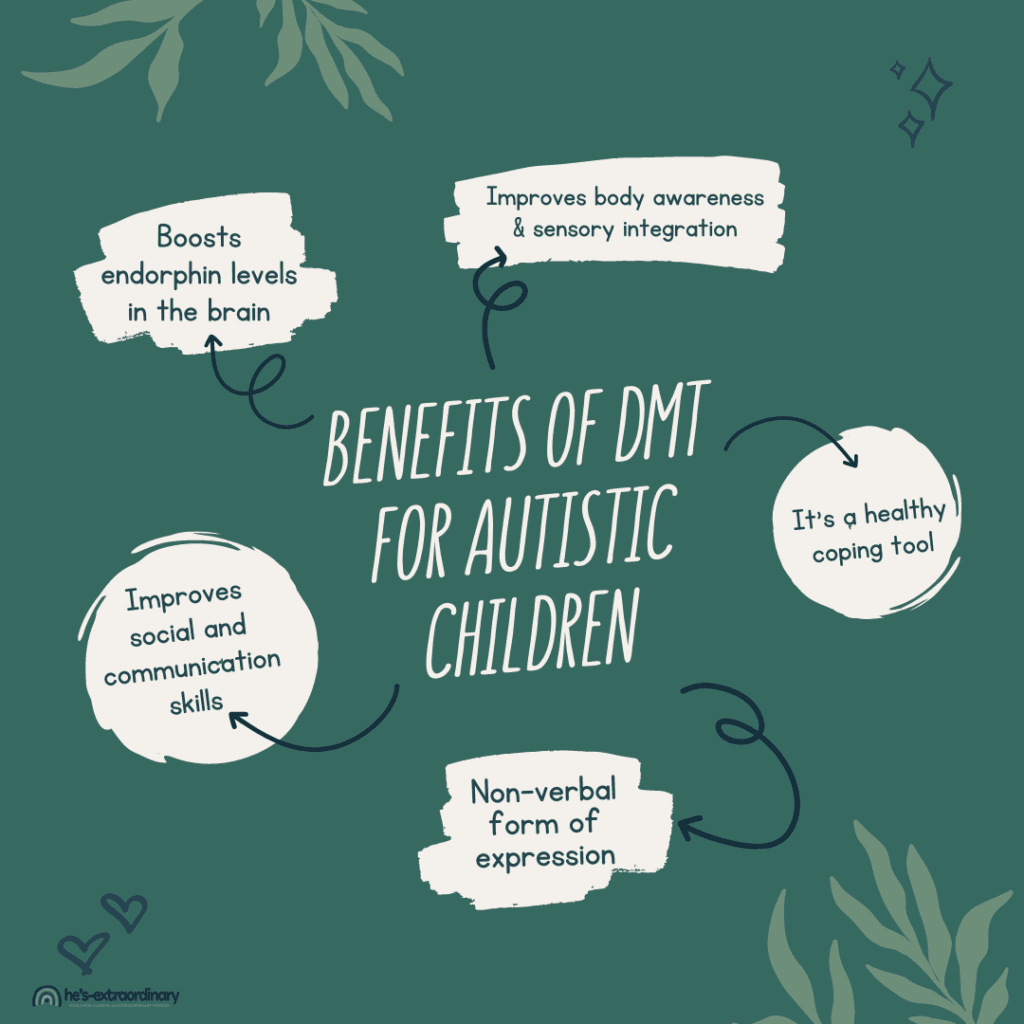
At the core of dance movement therapy lies the inherent adaptability of the human brain. Neuroplasticity—the capacity for neural circuits to reorganize—thrives on multimodal stimuli, particularly those that require coordination between sensory input and motor output. For individuals on the autism spectrum, motor difficulties and atypical sensory integration are frequent co-travelers. Through deliberate and guided movement, therapy stimulates synaptic connectivity and facilitates new pathways of neurological communication.
Movement facilitates proprioceptive and vestibular system engagement, critical for body orientation and balance. This fosters enhanced sensory processing and modulated arousal levels, often resulting in diminished anxiety and improved regulation. The rhythmic and repetitive qualities of dance evoke patterns that not only comfort but also scaffold emerging cognitive and social skills.
The Transformative Power of Nonverbal Expression
Language sometimes acts as a barrier for individuals with ASD; its intricacies and social nuances can be sources of frustration and isolation. Movement transcends this barrier, offering immediacy and universality. Through gestures, postures, and dynamic sequences, individuals communicate emotions and narratives that might otherwise remain sequestered within.
This nonverbal expression is not merely a substitution for speech but a profound reaffirmation of personal agency. It invites participants to embody feelings—joy, anxiety, curiosity—and to negotiate their relational ecosystem through presence rather than words. Therapists, attuned to the subtleties of body language and creative improvisation, co-create spaces where participants feel seen and heard in their entirety.
Social Connectivity and Dance: Beyond Individualism
Dance inherently entails an interplay with others, orchestrating synchrony and attunement. Group sessions invite participants into shared rhythmic experiences, cultivating skills essential for social integration: turn-taking, eye contact, and empathetic responsiveness.
Interpersonal synchronicity, achieved through mirroring movements or coordinated sequences, reinforces social bonding pathways. The experience of moving in unison diffuses the isolating tendencies often experienced by those on the spectrum and nurtures a palpable sense of belonging.
Moreover, the embodied presence in shared dance not only cultivates social skills but ignites joy—a potent catalyst for motivation. This intrinsic reward system often surpasses external validations, bolstering self-esteem and confidence.
Therapeutic Modalities and Approaches
Various modalities underpin dance movement therapy for autism, tailored to accommodate diverse abilities and preferences. Some approaches emphasize structured choreography to introduce predictability and routine, which can be comforting. Others prioritize improvisational movement, encouraging spontaneity and creative exploration.
The individualized nature of therapy allows practitioners to harness sensory preferences—be it tactile, auditory, or visual stimuli—thereby optimizing engagement and therapeutic outcomes. Sessions often integrate music, a vital adjunct that enhances rhythm and emotional resonance. The interplay between sound and movement becomes a multisensory canvas for expression and regulation.

Challenges and Considerations
While the potential is immense, dance movement therapy is not a panacea. It requires skilled facilitators adept in both therapeutic principles and creative artistry, able to navigate the idiosyncratic needs of each participant. Sensory sensitivities may necessitate modifications in environment and pace.
Additionally, empirical research, though promising, is still evolving. Quantifying outcomes in such an intrinsically subjective and creative domain presents challenges. Nevertheless, qualitative reports and emerging neurobiological insights encourage continued integration of kinetic modalities in interdisciplinary treatment plans.
Conclusion: Dance as a Conduit for Transformation
Dance and movement therapy invite a profound reevaluation of what it means to connect, learn, and heal within the context of autism. They underscore the body’s eloquence and the rich possibilities that emerge when movement becomes language, therapy, and liberation. This kinetic approach promises a journey not just of therapeutic amelioration but of human flourishing—a reminder that healing often transpires not solely in words, but through the symphony of the body in motion.