Imagine stepping into a dental office where the hum of the drill doesn’t send shivers down your spine, where the scent of antiseptic doesn’t trigger a gag reflex, and where the touch of a gloved hand doesn’t feel like an invasion. For many children with autism, a routine dental visit can feel like navigating a minefield of sensory overload. Yet, what if dentistry could be reimagined—not as a source of dread, but as a sanctuary of comfort and care? Sensory-friendly dentistry isn’t just a trend; it’s a revolution in how we approach oral health for neurodivergent individuals, promising a future where no one has to choose between their well-being and their peace of mind.
The intersection of autism and dental health is a labyrinth of challenges, but it’s also a space brimming with untapped potential. Traditional dental practices often overlook the unique sensory sensitivities of autistic patients, leading to anxiety, resistance, and even avoidance of necessary care. However, by embracing sensory-friendly techniques, dental professionals can transform the experience into one of trust and collaboration. This shift isn’t just about modifying tools or adjusting lighting—it’s about redefining the entire patient journey, from the moment they walk through the door to the final polish of their teeth.
The Sensory Symphony: Understanding Autism’s Unique Challenges
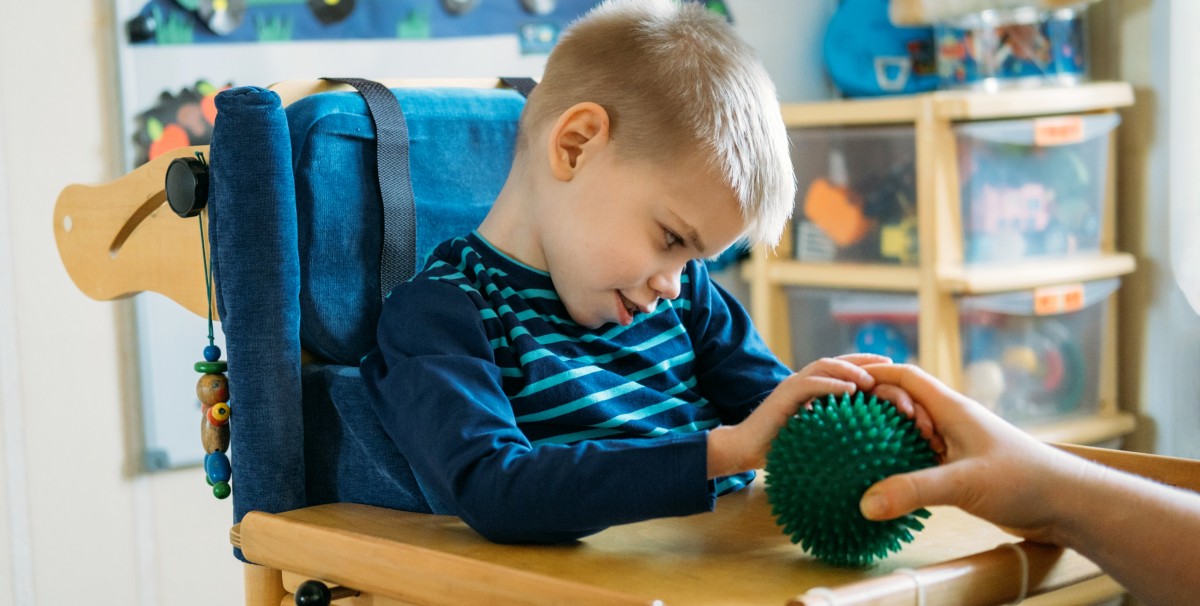
Autism Spectrum Disorder (ASD) manifests in a kaleidoscope of ways, but sensory sensitivities are a common thread. For many autistic individuals, the dental environment—with its bright lights, sharp instruments, and unfamiliar textures—can feel like an assault on the senses. The sound of a suction device might resemble a jet engine, the taste of fluoride could be overwhelming, and the sensation of a dental mirror might trigger tactile defensiveness. These reactions aren’t mere preferences; they’re deeply rooted in how the autistic brain processes sensory input.
Consider the concept of sensory modulation, where the brain either over-responds or under-responds to stimuli. For someone with autism, a dental chair’s slight tilt might feel like a freefall, while the pressure of a dental probe could feel unbearable. These experiences aren’t hypothetical—they’re real, and they demand a nuanced approach. By recognizing that sensory challenges aren’t a lack of cooperation but a genuine neurological response, dental professionals can pivot from frustration to empathy, crafting experiences that honor each patient’s unique sensory profile.
Designing the Oasis: Creating a Sensory-Friendly Dental Space
A sensory-friendly dental office isn’t just a room with dimmed lights—it’s a meticulously curated environment where every detail is intentional. Start with the ambiance: soft, warm lighting replaces harsh fluorescents, and noise-canceling headphones or white noise machines can muffle the cacophony of dental tools. The waiting area might feature textured seating, fidget toys, or a calming water feature to ease transitions. Even the air quality matters; some offices use essential oil diffusers with mild, non-overpowering scents like lavender or chamomile to create a soothing atmosphere.
Visual elements play a crucial role, too. Many autistic individuals thrive with predictability, so visual schedules or social stories can demystify the dental process. A step-by-step guide with photos or illustrations—showing what to expect during a cleaning, X-ray, or filling—can transform anxiety into anticipation. The operatory itself might be customized: a weighted blanket draped over the patient, a vibrating cushion to provide deep-pressure input, or even a “sensory break” corner where they can retreat if overwhelmed. These aren’t luxuries; they’re necessities for creating a space where patients feel safe, not scrutinized.
The Art of Communication: Tailoring Dialogue for Neurodivergent Patients
Words matter, but tone, pace, and delivery matter even more. Autistic individuals often process language literally, so vague reassurances like “This won’t hurt” can backfire if the patient interprets it as a promise of zero discomfort. Instead, dental professionals might say, “You might feel a little pressure, like when you bite your lip, but it won’t last long.” Clear, concise language—paired with visual aids—bridges the gap between intention and understanding.
Nonverbal communication is equally vital. Some autistic patients may struggle with eye contact or facial expressions, but that doesn’t mean they’re disengaged. A gentle hand on their shoulder (with consent) or a thumbs-up can convey reassurance more effectively than words. Timing is another critical factor: rushing through explanations can overwhelm, while allowing pauses for processing fosters trust. For patients who are nonverbal, alternative communication methods—like picture cards or sign language—can ensure their needs are heard and respected.
Tools of the Trade: Adaptive Equipment and Techniques
The dental toolkit is evolving, with innovations designed to accommodate sensory sensitivities. For instance, intraoral cameras can replace traditional mirrors, reducing the gag reflex for patients with tactile defensiveness. Suction devices with quieter motors minimize auditory triggers, while disposable, flavored prophy angles (the rubber cup used for cleaning) can make the experience more palatable—literally. Some offices even use vibration tools that mimic the sensation of a toothbrush, helping patients acclimate to oral care in a controlled, less intimidating way.
Sedation dentistry is another avenue, but it’s not a one-size-fits-all solution. For some, nitrous oxide (laughing gas) can ease anxiety without full sedation, while others might benefit from conscious sedation in a controlled setting. The key is collaboration: involving the patient’s caregivers in the decision-making process ensures the approach aligns with their needs and preferences. It’s not about forcing compliance but about meeting the patient where they are—literally and figuratively.
Beyond the Chair: Fostering Long-Term Oral Health Habits
A sensory-friendly dental visit is just the beginning. The ultimate goal is to empower autistic individuals—and their families—to embrace oral health as a lifelong practice, not a series of ordeals. This starts with education tailored to the patient’s learning style. For some, a hands-on demonstration with a model toothbrush and teeth might be more effective than verbal instructions. For others, a social story that outlines daily brushing routines can provide the structure they need to build consistency.
Caregivers play a pivotal role in this journey. Dental professionals can offer guidance on adapting oral care at home, whether it’s using a vibrating toothbrush for sensory seekers or a soft-bristled brush for those with tactile sensitivities. The message is clear: oral health isn’t a chore to endure but a ritual to personalize. By framing it as an act of self-care—not a medical necessity—dental professionals can help autistic patients (and their families) see their smiles in a new light.
The Ripple Effect: Why Sensory-Friendly Dentistry Matters for Everyone
The benefits of sensory-friendly dentistry extend far beyond the autistic community. Patients with anxiety disorders, PTSD, or even severe dental phobia can find solace in these adaptations. Elderly individuals with dementia, children with ADHD, or anyone who’s ever felt marginalized by traditional healthcare can benefit from a more inclusive approach. Sensory-friendly dentistry isn’t a niche service—it’s a blueprint for compassionate care that elevates the standard for all patients.
Moreover, this shift challenges the status quo, proving that healthcare doesn’t have to be a one-size-fits-all experience. It invites dental professionals to think creatively, to listen more deeply, and to prioritize empathy over efficiency. In doing so, it doesn’t just improve oral health outcomes; it fosters a culture of dignity and respect. When patients leave the office feeling heard, seen, and cared for, the ripple effects are profound—confidence grows, trust is rebuilt, and the fear of the dentist’s chair fades into the background.
Imagine a world where dental visits are no longer a source of dread but a seamless part of life’s rhythm. A world where the clink of instruments is replaced by the quiet hum of understanding, where the sterile white of a clinic is softened by the warmth of human connection. This isn’t a distant utopia—it’s the promise of sensory-friendly dentistry, a revolution in the making. And it starts with a single, intentional step: seeing the patient, not just the procedure.