In a world where words often fail to capture the depth of human experience, art emerges as a silent yet profoundly eloquent language. For individuals on the autism spectrum, drawing is not merely a pastime—it is a lifeline, a bridge between the inner self and the external world. This article explores the transformative power of artistic expression through drawing for autistic individuals, promising to shift perspectives and ignite curiosity about the untapped potential that lies within every stroke of the pencil.
Imagine a canvas where emotions, thoughts, and sensations converge without the constraints of verbal articulation. For many autistic individuals, drawing becomes this sanctuary—a place where abstract ideas materialize into tangible forms. The act of creating art transcends the limitations of spoken language, offering a unique avenue for self-expression and communication. This exploration delves into the multifaceted benefits of drawing for autistic individuals, from fostering emotional regulation to enhancing cognitive development, all while nurturing a sense of identity and agency.
The Unspoken Language of Lines: How Drawing Transcends Communication Barriers
For autistic individuals who struggle with verbal communication, drawing serves as a powerful alternative to express complex emotions and experiences. The process of translating internal sensations into visual representations can be both liberating and therapeutic. Unlike spoken words, which may require precise articulation, drawing allows for a fluid and intuitive form of expression. A simple line, a swirl of color, or a meticulously detailed figure can convey what words often cannot.
Consider the case of a nonverbal autistic child who struggles to articulate their feelings of frustration or joy. Through drawing, they might depict a stormy sky to represent anger or a radiant sun to symbolize happiness. These visual narratives provide a window into their inner world, offering caregivers, educators, and therapists invaluable insights into their emotional landscape. Drawing, in this context, becomes more than an artistic endeavor—it is a form of communication that bridges the gap between isolation and connection.
The tactile nature of drawing also plays a crucial role in sensory integration. The act of holding a pencil, feeling the texture of paper, and observing the interplay of colors engages multiple senses, creating a holistic experience. For autistic individuals who may be hypersensitive or hyposensitive to sensory stimuli, drawing can serve as a grounding activity, helping to regulate their sensory environment and promote a sense of calm.
From Chaos to Clarity: Drawing as a Tool for Emotional Regulation
Emotional regulation is a significant challenge for many autistic individuals, as they often experience emotions with heightened intensity. Drawing offers a constructive outlet for processing these emotions, transforming overwhelming feelings into manageable, visual forms. The act of creating art can act as a cathartic release, allowing individuals to externalize their emotions in a controlled and safe manner.
For instance, an autistic teenager might draw a series of abstract shapes and colors to represent their anxiety. By visually depicting their emotions, they gain a sense of mastery over their feelings, reducing the sense of helplessness that often accompanies emotional overwhelm. This process not only helps in emotional regulation but also fosters a deeper understanding of one’s own emotional triggers and responses.
Moreover, drawing can serve as a mindfulness practice, encouraging individuals to focus on the present moment. The act of drawing requires concentration and attention to detail, which can help redirect intrusive thoughts and promote a state of flow. This meditative quality of drawing can be particularly beneficial for autistic individuals who struggle with anxiety or attention deficits, providing a structured and engaging way to cultivate mindfulness.
The Cognitive Canvas: Enhancing Learning and Development Through Art
Drawing is not just an emotional outlet; it is also a cognitive tool that can enhance learning and development. For autistic individuals, art can serve as a multisensory approach to acquiring new skills and knowledge. The process of drawing engages various cognitive functions, including visual-spatial reasoning, fine motor skills, and problem-solving abilities.
Visual-spatial reasoning, in particular, is a critical skill for autistic individuals, as it involves the ability to perceive and manipulate visual information. Drawing exercises that require individuals to replicate shapes, patterns, or objects can strengthen this skill, improving their ability to navigate the physical world. Additionally, the fine motor skills required for drawing—such as holding a pencil, controlling pressure, and making precise strokes—can be honed through consistent practice, leading to improved handwriting and other fine motor tasks.
Art also fosters creativity and divergent thinking, which are essential components of cognitive flexibility. For autistic individuals who may exhibit rigid thinking patterns, drawing can encourage them to explore alternative perspectives and solutions. By experimenting with different colors, textures, and compositions, they develop a more adaptable and open-minded approach to problem-solving.
The educational benefits of drawing extend beyond cognitive development. Art can be integrated into various learning domains, from mathematics to language arts, making it a versatile tool for interdisciplinary learning. For example, drawing geometric shapes can reinforce concepts in geometry, while illustrating a story can enhance narrative comprehension and writing skills. This integrative approach not only makes learning more engaging but also caters to the diverse learning styles of autistic individuals.
Building Bridges: Social Connection Through Collaborative Art
Art has the power to foster social connection, even in individuals who may struggle with traditional forms of communication. Collaborative drawing activities can create opportunities for autistic individuals to engage with others in a meaningful and structured way. Whether it’s a group mural project or a paired drawing exercise, art provides a shared language that transcends verbal communication barriers.
For autistic individuals who experience social challenges, collaborative art can serve as a low-pressure environment to practice social skills. The structured nature of art activities reduces the ambiguity often associated with social interactions, allowing individuals to focus on the task at hand rather than the complexities of social cues. Over time, these experiences can build confidence and competence in social settings, fostering a sense of belonging and community.
Moreover, collaborative art projects can promote empathy and perspective-taking. By observing and responding to the artwork of others, autistic individuals gain insights into different viewpoints and experiences. This exposure to diverse perspectives can enhance their ability to understand and navigate social relationships, ultimately strengthening their social connections.

Nurturing Talent: The Role of Art in Building Confidence and Identity
For autistic individuals with a passion for art, drawing can become a source of pride and identity. The act of creating something tangible and visually appealing can boost self-esteem and foster a sense of accomplishment. As individuals develop their artistic skills, they gain confidence in their abilities, which can translate into other areas of their lives.
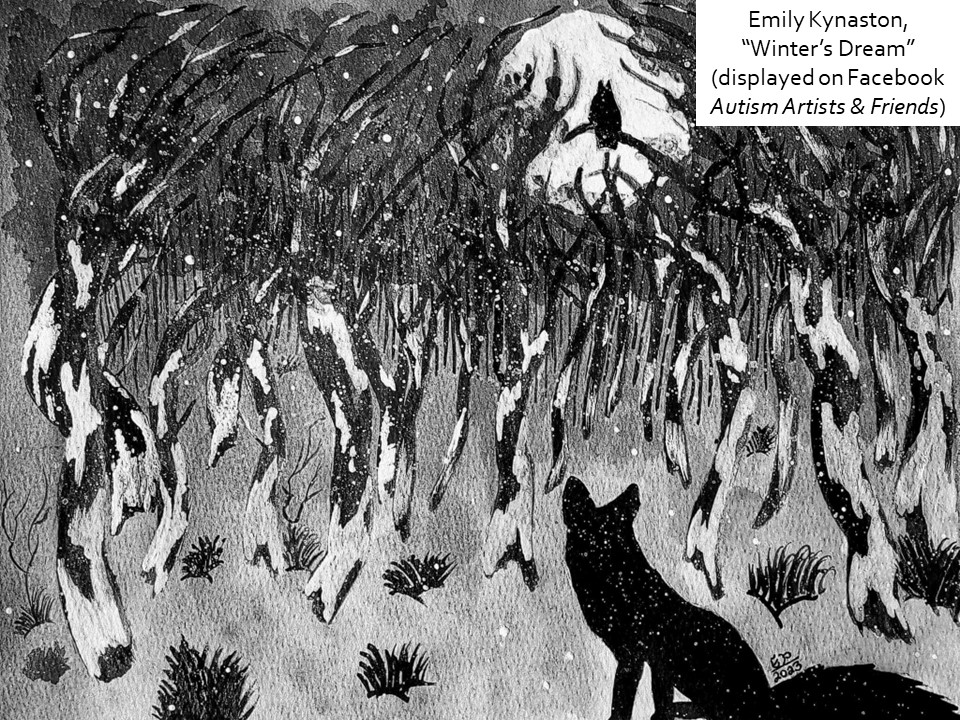
Art also provides a platform for autistic individuals to express their unique perspectives and experiences. Through their artwork, they can challenge stereotypes and misconceptions about autism, offering a more nuanced and authentic representation of their world. This self-expression not only validates their experiences but also empowers them to advocate for their needs and rights.
The journey of artistic development is not without its challenges. Autistic individuals may face frustration or self-doubt when their artwork does not meet their expectations. However, these challenges can be reframed as opportunities for growth and learning. By embracing the process of creation rather than focusing solely on the outcome, individuals can cultivate a growth mindset and resilience in the face of adversity.
Art educators and therapists play a crucial role in nurturing the artistic talents of autistic individuals. By providing a supportive and encouraging environment, they can help individuals explore their creativity without fear of judgment. Tailored art programs that cater to the unique needs and preferences of autistic individuals can further enhance their artistic journey, allowing them to thrive and flourish.
Practical Strategies: Encouraging Artistic Expression in Autistic Individuals
Encouraging autistic individuals to engage in drawing requires a thoughtful and individualized approach. Here are some practical strategies to foster artistic expression:
- Provide a Variety of Materials: Offer a range of art supplies, such as colored pencils, markers, watercolors, and clay, to cater to different sensory preferences and artistic styles.
- Create a Structured Environment: Establish a predictable and organized art space to reduce anxiety and promote focus. Clear instructions and visual aids can help individuals understand the expectations and steps involved in the drawing process.
- Offer Choice and Autonomy: Allow individuals to choose their subjects, materials, and techniques. This autonomy fosters a sense of ownership and motivation in their artistic pursuits.
- Incorporate Themes and Prompts: Use themes or prompts that resonate with the individual’s interests and experiences. For example, nature, animals, or personal narratives can serve as inspiration for their artwork.
- Encourage Experimentation: Create a safe space for individuals to explore different styles, techniques, and mediums without fear of criticism. Experimentation fosters creativity and innovation.
- Celebrate Progress, Not Perfection: Focus on the process of creation rather than the final product. Celebrate small achievements and improvements to build confidence and motivation.
By implementing these strategies, caregivers, educators, and therapists can create an enriching and supportive environment that nurtures the artistic potential of autistic individuals.
The Ripple Effect: Art as a Catalyst for Holistic Growth
The benefits of drawing for autistic individuals extend far beyond the canvas. Art serves as a catalyst for holistic growth, influencing emotional, cognitive, social, and personal development. By engaging in artistic expression, autistic individuals gain a deeper understanding of themselves and their place in the world. They develop essential life skills, such as emotional regulation, problem-solving, and social connection, which are invaluable in navigating the complexities of life.
Moreover, art has the power to challenge societal perceptions of autism. Through their artwork, autistic individuals can showcase their unique talents and perspectives, fostering greater acceptance and inclusion. Art becomes a bridge that connects autistic individuals with the broader community, promoting empathy, understanding, and appreciation for neurodiversity.
The journey of artistic expression is not a linear path but a dynamic and evolving process. Each stroke of the pencil, each splash of color, and each moment of creation contributes to a larger narrative of growth, resilience, and self-discovery. For autistic individuals, drawing is more than an activity—it is a transformative experience that unlocks their potential and enriches their lives.
As we embrace the power of art, we open doors to new possibilities and perspectives. Drawing becomes a tool for empowerment, a language of emotion, and a canvas for identity. It is through art that autistic individuals find their voice, their confidence, and their place in the world. In the act of creation, they discover not only their artistic talents but also their inherent worth and resilience.
So, let us celebrate the transformative power of drawing for autistic individuals. Let us recognize art as a universal language that transcends barriers and fosters connection. And let us continue to nurture and support the artistic journeys of those who see the world through a unique and extraordinary lens.