Have you ever pondered the intricate dance between mastering the art of driving and navigating the nuances of autism? On the surface, driving might seem like a straightforward task—a skill acquired and exercised by millions worldwide. Yet, for individuals on the autism spectrum, each mile driven can present a unique symphony of challenges and triumphs. The journey towards vehicular independence is often punctuated not just by steering wheels and traffic signs, but by a deeper quest for autonomy, confidence, and safety. How can this balance be struck effectively? Let’s delve into the multifaceted world of autism and driving, exploring comprehensive strategies to empower safety and celebrate independence.
Understanding the Unique Driving Landscape for Individuals with Autism
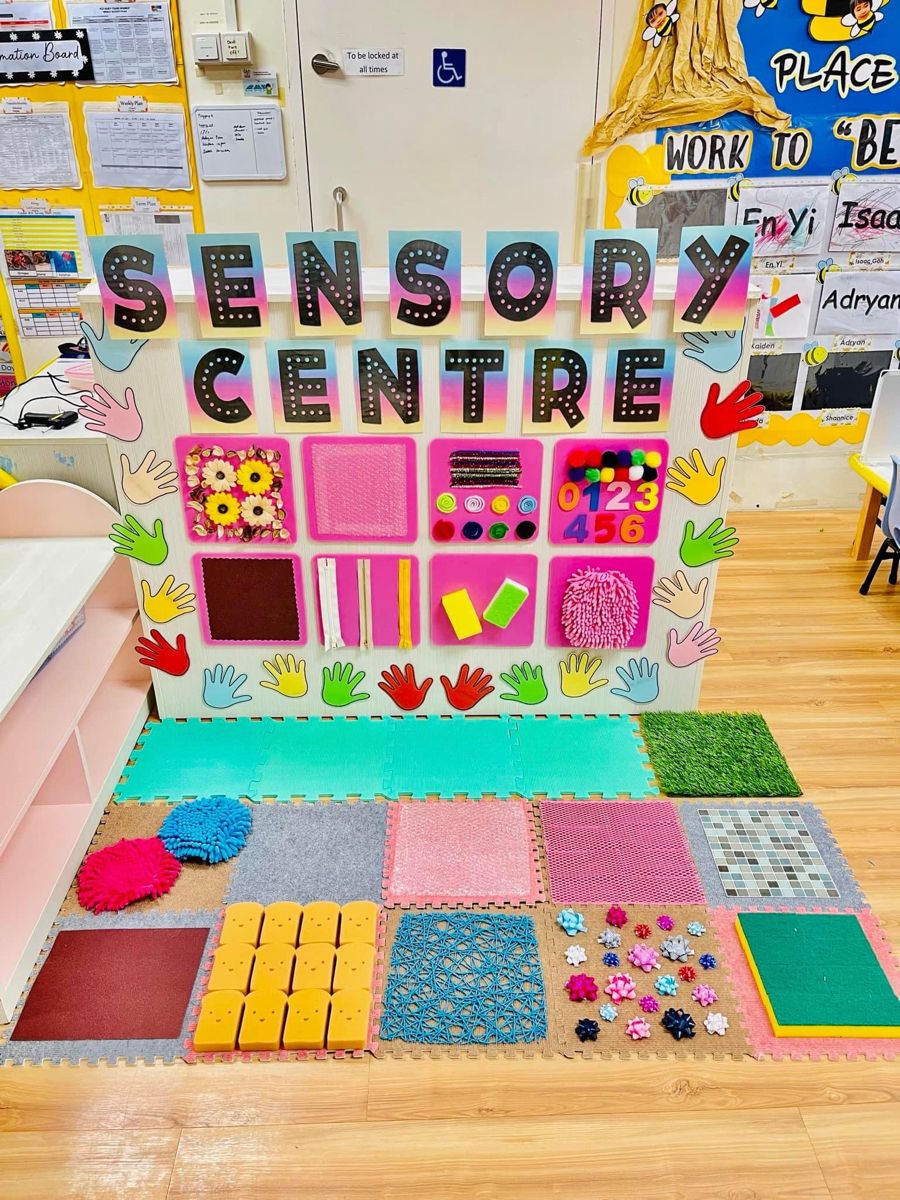
Driving is much more than a mechanical skill; it demands a confluence of cognitive, sensory, and emotional faculties. For someone with autism spectrum disorder (ASD), this interplay might reveal both obstacles and strengths. Sensory sensitivities—such as heightened responses to noise, light, or motion—can turn routine driving scenarios into overwhelming experiences. Moreover, challenges in processing multiple stimuli simultaneously, interpreting nonverbal cues, or responding swiftly to sudden changes can further complicate the driving environment.
Yet, it’s equally important to acknowledge the capacity for intense focus, adherence to structured routines, and exceptional memory skills that many individuals with autism possess. These attributes, when harnessed, can be formidable assets behind the wheel. Understanding this duality is pivotal for crafting effective driving education and support frameworks.
Thorough Assessment: The Cornerstone of Customized Driving Training
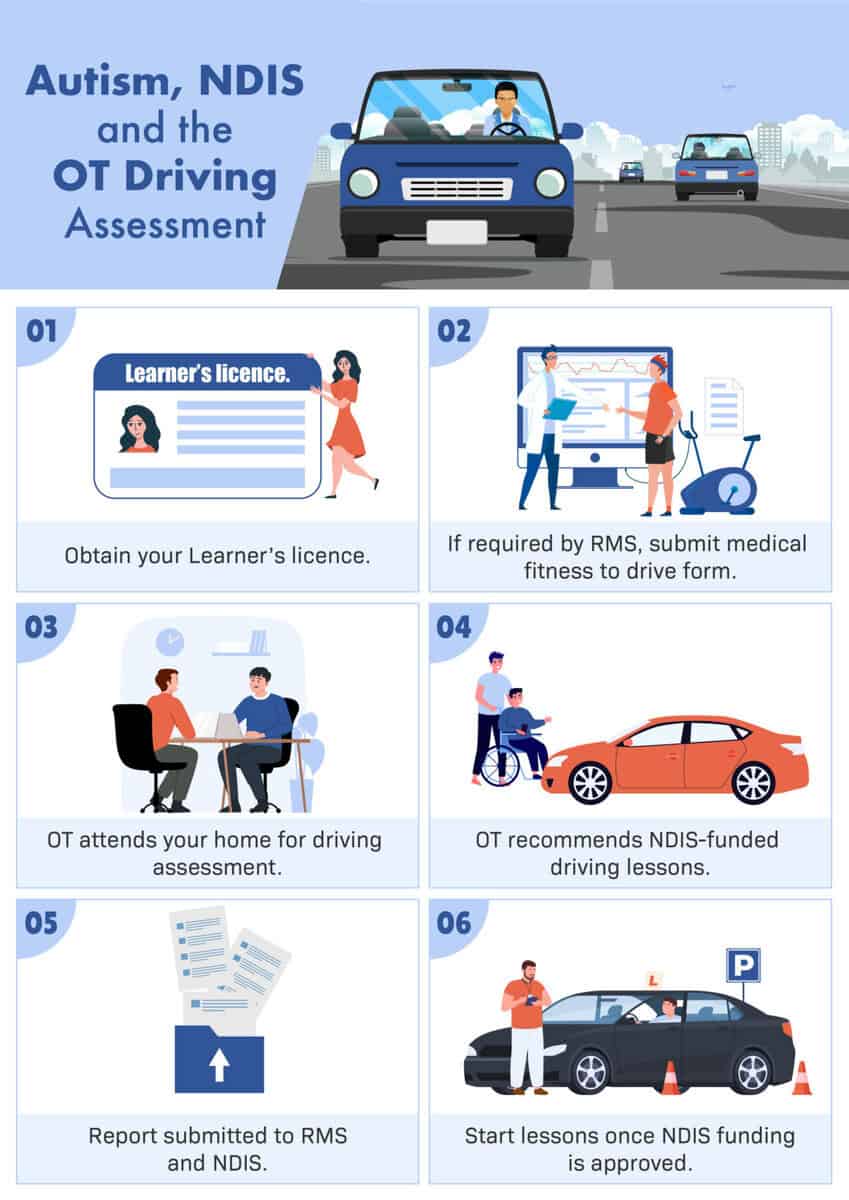
Before embarking on the road to independence, a nuanced evaluation is indispensable. Occupational therapists specializing in driving assessments play a critical role in discerning strengths, limitations, and areas requiring intervention. These assessments extend beyond mere physical coordination to encompass cognitive processing, reaction time, sensory integration, and social communication skills.
By identifying individualized profiles, instructors can tailor driving lessons to accommodate sensory preferences and cognitive processing speeds. For example, a learner sensitive to auditory overload might benefit from quieter routes during training sessions, while someone who thrives on repetition could benefit from structured, routine-driven practice schedules.
Implementing Structured and Predictable Learning Environments
Autism often comes with a preference for order and predictability—a trait that can be leveraged to enhance driving instruction. Carefully curated lessons that follow consistent formats and gradually increase in complexity can reduce anxiety and foster confidence. Creating visual schedules, step-by-step checklists, and scenario-based rehearsals ensures that learners internalize procedures systematically.
Incorporating simulation technology or virtual reality is emerging as an invaluable tool within this educational paradigm. These immersive environments allow learners to experience diverse driving scenarios—ranging from bustling urban intersections to quiet suburban streets—in a controlled, low-pressure setting.
Addressing Sensory and Emotional Regulation on the Road
Driving demands continuous sensory integration and emotional regulation—skills that might fluctuate for individuals with autism, especially under stress. Strategies for managing sensory input include the use of noise-cancelling earbuds (where legal and safe) or sensory tools designed to provide tactile grounding. Additionally, educators can introduce grounding techniques such as deep breathing exercises or scheduled breaks to preempt sensory overload.
Equally vital is the cultivation of emotional resilience. The unpredictability of road conditions can evoke frustration or anxiety, which may impede decision-making. Facilitators often work on cognitive-behavioral strategies aimed at recognizing emotional triggers and employing calming interventions.
Technology as an Enabler: Adaptive Tools for Enhanced Safety
Technological advancements play an increasingly transformative role in promoting safe driving for individuals with autism. Adaptive equipment—such as hand controls, steering wheel modifications, and pedal extensions—can accommodate specific physical or sensory needs, thereby enhancing comfort and control.
Moreover, driving assistance technologies like lane departure warnings, automatic emergency braking, and blind-spot detection serve as added safeguards, providing an extra layer of security that can alleviate cognitive load. Integrating these tools with tailored training ensures that learners become adept at utilizing them effectively without becoming overly reliant.
Legal and Licensing Considerations
Navigating the regulatory landscape is an essential facet of driving independence. Licensing requirements may vary, but many jurisdictions recommend or require specialized assessments for applicants with neurological differences. Understanding these stipulations early aids in planning a realistic and compliant path towards licensure.
In some cases, conditional licenses or graduated privileges may be granted, allowing individuals to gain driving experience within defined parameters before full licensure. Collaboration between families, trainers, and licensing authorities ensures that the learner’s capabilities and safety are prioritized.
Fostering Independence Beyond Driving Skills
Mastering the physical act of driving is just one piece of the independence puzzle. Equipping individuals with decision-making skills, route planning abilities, and situational judgment capacitate them to navigate real-world challenges confidently. Encouraging awareness of traffic patterns, environmental cues, and social interactions fortifies their holistic driving competence.
Support networks—ranging from family members to peer groups and professional mentors—play an indispensable role in nurturing this independence. Their encouragement, patience, and strategic oversight create a foundation where newfound skills can flourish sustainably.
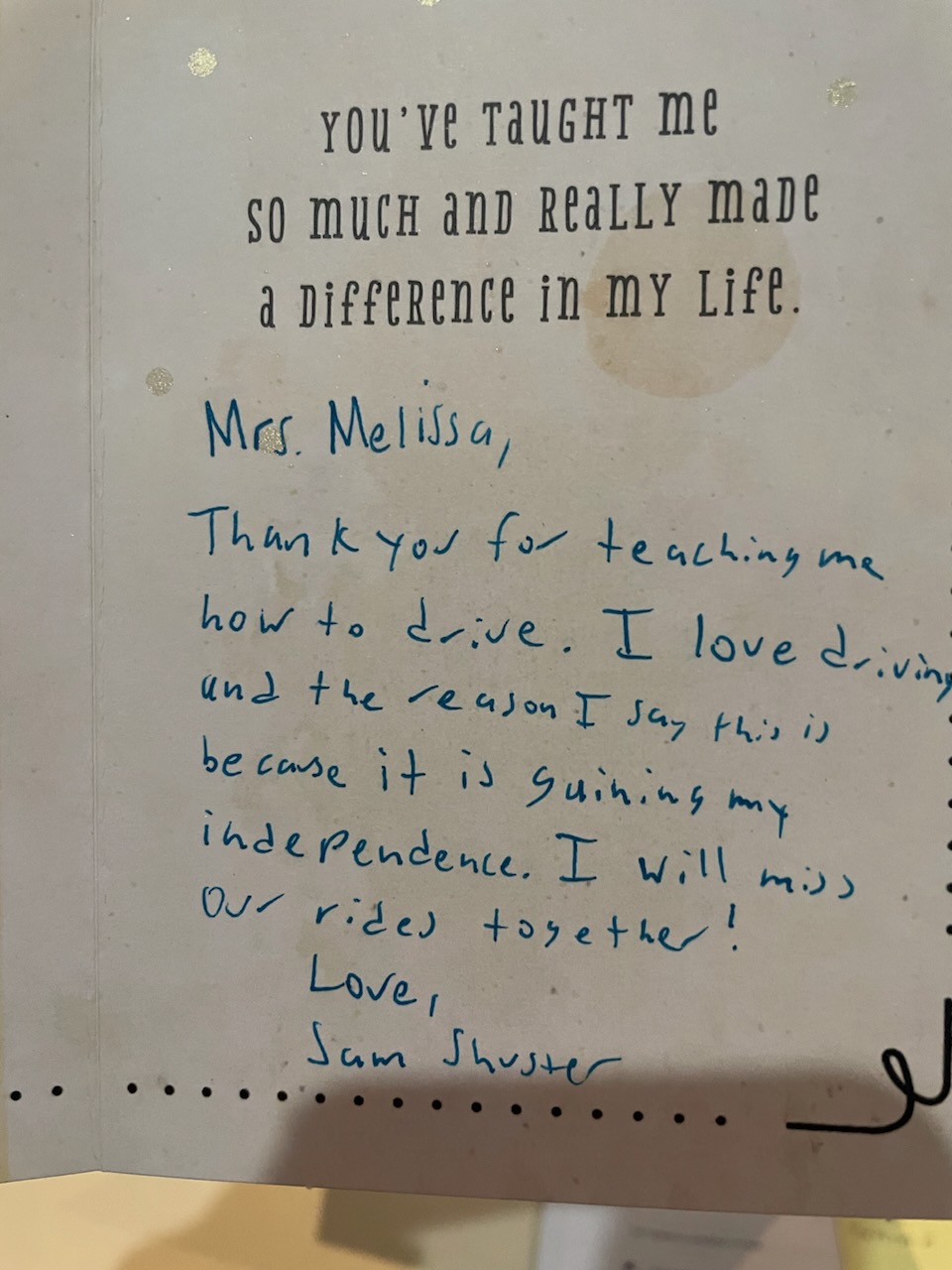
Embarking on the journey of driving for individuals with autism is an odyssey of profound significance. It symbolizes empowerment, self-determination, and the opening of new horizons. Navigating the challenges requires a delicate balance of tailored education, technological enablement, and emotional support. Yet, the rewards—a sense of freedom, enhanced quality of life, and social integration—are immeasurable. With thoughtful approaches and unwavering commitment, the road to independent driving can transform from a daunting challenge into a triumphant milestone.