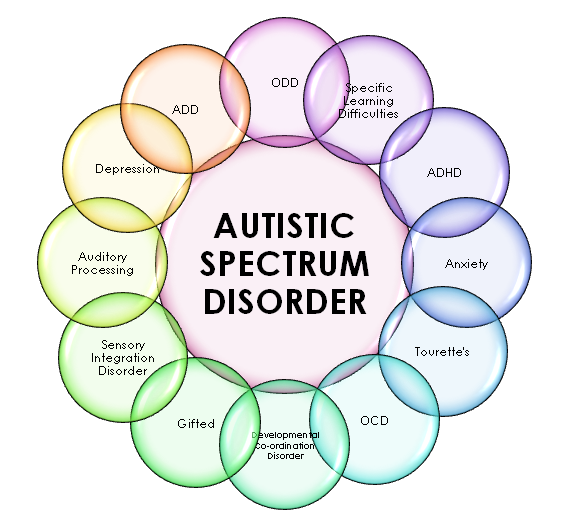
In the vast digital savanna where knowledge grazes freely, educational apps have emerged as the most agile gazelles—nimble, adaptive, and capable of leaping over the barriers that once confined learning to rigid classrooms. For children on the autism spectrum, these apps are not merely tools; they are bridges, translators, and mirrors, reflecting their unique ways of perceiving the world while gently guiding them toward new horizons. Autism, with its spectrum of strengths and challenges, demands a learning environment that is as flexible as it is structured. Educational apps, when chosen with care, can transform abstract concepts into tangible experiences, turning frustration into fascination and isolation into connection. This exploration dives into the most compelling educational apps designed to nurture the minds of autistic learners, revealing how they cater to diverse needs while celebrating individuality.
The Alchemy of Engagement: How Apps Transform Learning into Play
Imagine a child with autism staring at a blank worksheet, the numbers and letters feeling as foreign as hieroglyphics. Now picture the same child, eyes alight, fingers dancing across a tablet screen where a vibrant game unfolds—each correct answer unlocks a burst of colors, a cheerful melody, or a playful animation. This is the alchemy of engagement, where educational apps transmute the leaden weight of lessons into the gold of curiosity. For autistic learners, whose attention often gravitates toward patterns and sensory stimuli, apps that leverage gamification can be transformative. They provide immediate feedback, a crucial element for motivation, and allow for repeated practice without the fatigue of traditional repetition. Apps like those featuring interactive puzzles or cause-and-effect games tap into the autistic mind’s affinity for systems and rules, turning what might feel like work into an irresistible challenge. The key lies in selecting apps that align with the child’s specific interests—whether it’s dinosaurs, trains, or space—because when learning is draped in the familiar, it becomes an adventure rather than a chore.
Consider the app that turns vocabulary building into a treasure hunt. Words are not just recited; they are discovered, collected, and used to unlock new levels. Each correct answer might trigger a short, animated story where the child’s chosen word plays a starring role. This narrative approach does more than teach language—it weaves words into a tapestry of meaning, making them memorable and alive. For autistic children who thrive on visual and contextual learning, such apps are akin to a linguistic playground, where language is not a series of abstract symbols but a living, breathing entity. The sensory rewards—bright colors, soothing sounds, or tactile feedback—further cement the learning experience, ensuring that each session feels less like a lesson and more like play.
Sensory Sanctuaries: Apps That Speak the Language of the Senses
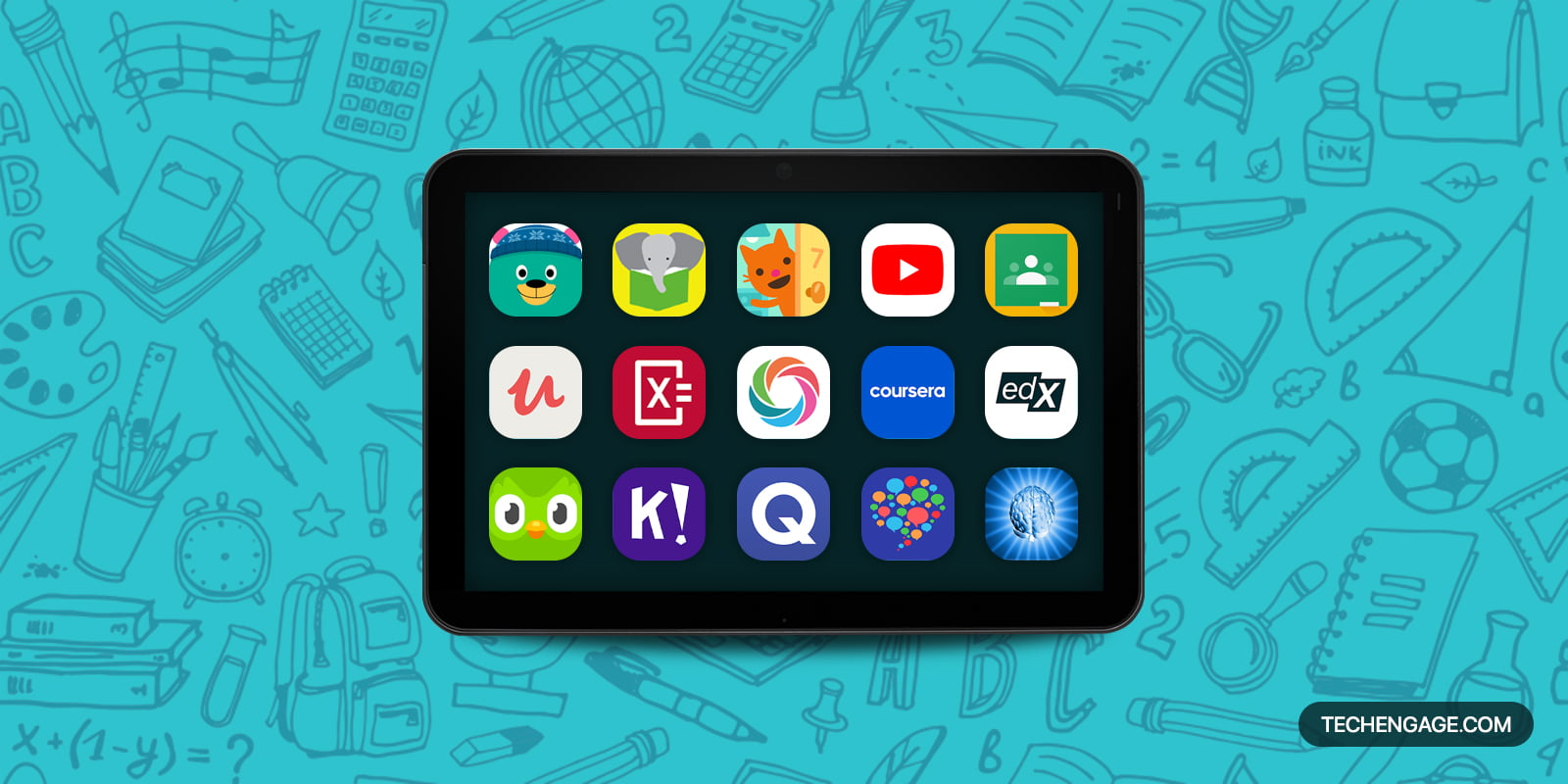
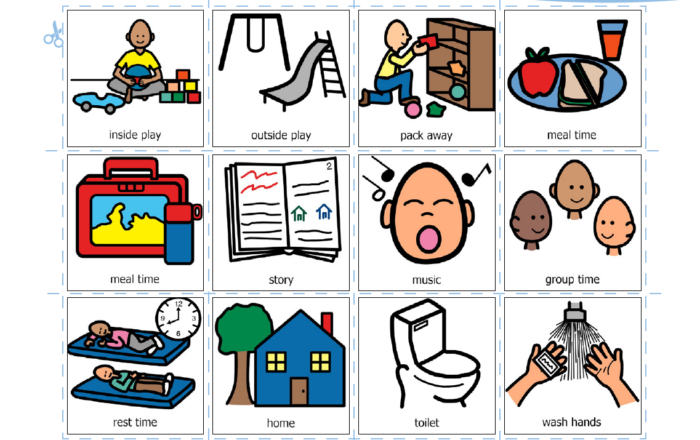
Autism often comes with a heightened sensitivity to sensory input—or, conversely, a need for specific sensory stimuli to focus. Educational apps that cater to these needs can act as sanctuaries, offering a controlled environment where sensory experiences are tailored to the child’s comfort. Visual schedules, for instance, are not just organizational tools; they are visual symphonies that map out the day in a way that is predictable and soothing. Each activity is represented by an icon, and as the child progresses, they can “check off” tasks, providing a sense of accomplishment and reducing anxiety. These schedules can be customized to include sensory breaks, ensuring that the child’s need for movement or quiet is respected. For children who are overwhelmed by noise, apps with adjustable sound levels or the option to mute audio can be a game-changer, allowing them to engage without sensory overload.
For those who seek tactile stimulation, apps that incorporate swiping, tapping, or dragging can be incredibly satisfying. The physical act of interacting with the screen can be grounding, providing the sensory input some autistic children crave. Some apps even integrate haptic feedback, offering a gentle vibration with each interaction, which can be calming or stimulating depending on the child’s needs. The brilliance of these apps lies in their adaptability—they can be as minimalist or as elaborate as the child requires, ensuring that the learning environment is always in harmony with their sensory preferences. In a world where unpredictability can be overwhelming, these apps offer a rare consistency, a digital oasis where the senses are not just accommodated but celebrated.
Social Scripts and Emotional Cartography: Apps That Navigate the Human Landscape
Navigating social interactions can feel like traversing a labyrinth for autistic individuals, where unspoken rules and subtle cues create invisible walls. Educational apps that focus on social skills act as guides, illuminating the path with clear, structured lessons. Apps that teach emotional recognition, for example, often use avatars with exaggerated facial expressions, allowing children to practice identifying emotions in a low-pressure setting. These apps might present a scenario—such as a child feeling left out—and ask the user to choose the appropriate emotional response from a series of options. The feedback is immediate, reinforcing correct choices and gently correcting mistakes without judgment. Over time, these virtual rehearsals can build confidence, making real-life interactions feel less daunting.
Other apps delve into the art of conversation, breaking down the components of a dialogue into digestible parts. They might teach turn-taking by structuring interactions as a game, where each player must listen carefully before responding. For autistic children who struggle with pragmatic language—the social use of language—these apps can be invaluable. They provide a scaffold, a temporary support that can be gradually removed as the child gains proficiency. The beauty of these tools is that they demystify the unspoken rules of social engagement, turning what feels like a foreign language into a series of logical steps. In essence, they are not just teaching social skills; they are mapping the emotional landscape, helping children understand not just what to say, but why it matters.
Customization and Control: The Power of Personalized Learning
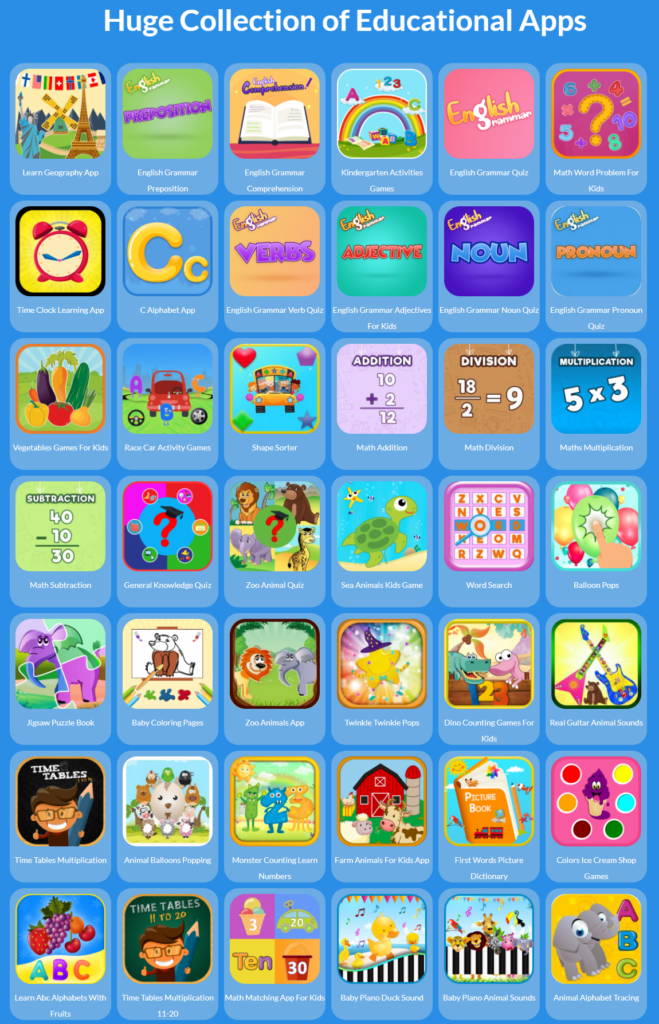
One size has never fit all, and this is especially true for autistic learners. The most effective educational apps are those that bend to the child, not the other way around. Customization is the cornerstone of these tools, allowing parents and educators to tailor the experience to the child’s unique profile. This might mean adjusting the difficulty level, changing the visual theme, or even selecting the type of reinforcement—whether it’s auditory praise, visual rewards, or a combination of both. Some apps go further, offering the ability to create entirely bespoke content. For a child fascinated by marine biology, an app might generate word problems about dolphins or interactive quizzes about ocean ecosystems. This level of personalization ensures that learning is not just accessible but deeply engaging, as the content resonates with the child’s passions.
Control is another critical factor. Autistic children often thrive when they have agency over their environment, and educational apps that allow them to choose their path can be empowering. This might mean letting the child select the next activity from a menu of options or allowing them to set a timer for their learning session. The ability to pause, replay, or skip sections of an app gives children a sense of autonomy, reducing frustration and increasing motivation. For children who struggle with transitions, apps that incorporate countdown timers or visual cues can ease the shift from one activity to another. These small but significant features transform the learning experience from a top-down directive into a collaborative journey, where the child is an active participant rather than a passive recipient.
The Ripple Effect: How Apps Extend Learning Beyond the Screen
The impact of educational apps doesn’t end when the screen goes dark. In fact, the most transformative apps are those that create ripples, extending their influence into the child’s daily life. For example, an app that teaches time management might include real-world activities, such as setting a timer for brushing teeth or preparing a snack. These apps act as bridges between the digital and physical worlds, reinforcing skills in contexts that matter. Similarly, apps that focus on life skills—like cooking, dressing, or money management—can provide step-by-step visual guides that the child can reference independently. Over time, these skills become ingrained, reducing reliance on prompts and fostering independence.
Parents and educators also benefit from this ripple effect. Many apps include progress tracking features, allowing adults to monitor the child’s development and identify areas where additional support is needed. Some apps even generate reports that can be shared with therapists or teachers, creating a cohesive support network. This data-driven approach ensures that the child’s learning journey is not a solitary path but a collaborative effort, with everyone working in harmony to nurture their growth. The best apps, then, are not just tools for the child—they are tools for the entire ecosystem of support that surrounds them.
In the grand tapestry of autism and education, technology has woven a thread that is both vibrant and versatile. Educational apps have shattered the illusion that one-size-fits-all learning is the only path, offering instead a kaleidoscope of options that celebrate individuality. They are not a panacea, nor are they a replacement for human connection, but they are powerful allies in the quest to unlock potential. For autistic children, these apps can be the difference between stagnation and growth, between isolation and connection. They turn abstract concepts into tangible experiences, sensory chaos into order, and uncertainty into confidence. As we continue to explore the intersection of autism and technology, one truth becomes clear: the future of learning is not just digital—it is deeply personal, profoundly adaptive, and endlessly hopeful. The journey is not about fitting into a mold, but about sculpting one that is uniquely yours.