Autism spectrum disorder (ASD) has long been shrouded in mystery, its origins as elusive as the flicker of a distant star. Yet, as science delves deeper into the intricate dance between genes and environment, a compelling narrative emerges—one where epigenetics takes center stage. This burgeoning field of study suggests that the environment doesn’t merely influence autism; it may actively sculpt its trajectory, leaving indelible marks on the genetic canvas. The fascination with this connection isn’t merely academic; it reflects a profound curiosity about how the invisible forces of our surroundings shape not just our health, but our very essence.
The idea that external factors could alter the expression of our genes without changing the DNA sequence itself is nothing short of revolutionary. Epigenetics, derived from the Greek *epi* (above) and *genetics*, posits that chemical modifications to DNA and its associated proteins can turn genes on or off, much like a dimmer switch controlling the ambiance of a room. For families touched by autism, this concept offers a glimmer of hope—a potential pathway to understanding why some children develop ASD while others do not, and perhaps even how to mitigate its impact. But the story is far more nuanced than a simple cause-and-effect equation. It’s a tapestry woven with threads of nutrition, stress, toxins, and even the subtle pressures of societal expectations, each playing a role in the unfolding drama of human development.
The Epigenetic Tapestry: Weaving Genes and Environment
At the heart of epigenetics lies a paradox: the same genetic blueprint can produce vastly different outcomes depending on the environment in which it unfolds. Imagine a symphony orchestra where the musicians are the genes, and the conductor is the environment. The sheet music—the DNA sequence—remains constant, but the interpretation of that music can vary wildly based on the tempo, the acoustics, and even the mood of the conductor. In the case of autism, this means that while certain genetic predispositions may exist, the environment can either amplify or suppress their expression.
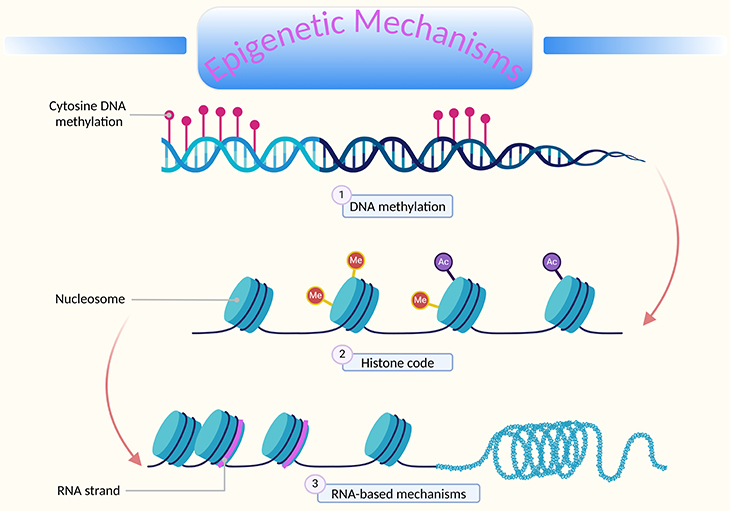
One of the most studied epigenetic mechanisms is DNA methylation, where methyl groups attach to specific regions of DNA, often silencing genes. In the context of autism, researchers have observed altered methylation patterns in genes associated with neural development and synaptic function. For instance, genes like *MECP2*, which is critical for brain function, have been found to be hypermethylated in some individuals with ASD. This suggests that environmental factors—such as prenatal exposure to toxins or maternal stress—could be “rewriting” the genetic instructions that guide brain development, leading to the behavioral and cognitive traits characteristic of autism.
Another epigenetic player is histone modification, where proteins called histones, which package DNA into tight coils, are chemically altered to either loosen or tighten their grip on the genetic material. When histones are acetylated, the DNA becomes more accessible to the cellular machinery that reads and expresses genes. Conversely, deacetylation can silence genes. In autism research, disruptions in histone modification have been linked to abnormalities in neural circuits, hinting at a possible mechanism for the social and communication deficits seen in ASD.

Prenatal Influences: The Silent Architects of Development
The prenatal period is a critical window where epigenetic changes can have lifelong consequences. The womb is not a sterile, isolated environment but a dynamic ecosystem where maternal health, nutrition, and stress levels can leave indelible marks on the developing fetus. For example, maternal infections during pregnancy have been linked to an increased risk of autism in offspring, possibly due to the immune system’s release of cytokines that trigger epigenetic alterations in the fetal brain. Similarly, exposure to environmental toxins like air pollution or pesticides can disrupt methylation patterns, setting the stage for neurodevelopmental disorders.
Nutrition also plays a pivotal role. Folate, a B vitamin essential for DNA synthesis and methylation, has been shown to influence epigenetic marks during early development. Deficiencies in folate or other methyl donors like choline and betaine have been associated with an increased risk of autism, suggesting that the mother’s diet could be a silent architect of her child’s neurodevelopmental fate. Even maternal stress, mediated by the hormone cortisol, can cross the placental barrier and alter gene expression in the fetus, potentially predisposing the child to autism.
This prenatal epigenetic landscape underscores the importance of holistic maternal health. It’s not just about avoiding toxins or eating a balanced diet; it’s about recognizing that every choice a mother makes—from the air she breathes to the thoughts she harbors—can reverberate through generations, shaping the genetic destiny of her unborn child. The implications are profound, challenging us to view pregnancy not as a passive state but as an active, responsive process where the environment and biology engage in a silent, continuous dialogue.
Postnatal Epigenetics: The Lingering Echoes of Early Life
While the prenatal period is a time of heightened sensitivity to epigenetic influences, the story doesn’t end at birth. The early years of life are equally critical, as the brain continues to develop and refine its neural connections. Environmental factors like diet, stress, and even the quality of caregiving can leave their mark on the epigenetic landscape, potentially exacerbating or mitigating the symptoms of autism.
For instance, studies have shown that children with autism often exhibit altered methylation patterns in genes related to synaptic plasticity and immune function. These changes may arise from a combination of genetic predispositions and environmental exposures, such as early-life infections or dietary imbalances. The gut-brain axis, a bidirectional communication network between the gastrointestinal and nervous systems, has also emerged as a key player in this epigenetic dance. The microbiome, a vast ecosystem of microorganisms residing in the gut, can influence gene expression through the production of metabolites like short-chain fatty acids, which have been shown to modulate methylation and histone modifications.
Stress, too, leaves its epigenetic fingerprint. Chronic stress in childhood can lead to hypermethylation of the glucocorticoid receptor gene (*NR3C1*), which regulates the body’s response to stress. This alteration can result in a dysregulated stress response, potentially contributing to the anxiety and sensory sensitivities commonly observed in individuals with autism. The interplay between stress and epigenetics highlights the importance of creating nurturing, low-stress environments for children with ASD, as these can help “reset” some of the maladaptive epigenetic marks acquired early in life.
The Promise of Epigenetic Interventions: Can We Rewrite the Script?
The tantalizing possibility that epigenetic changes might be reversible has sparked intense interest in therapeutic interventions. If environmental factors can alter gene expression, could we harness this plasticity to “rewrite” the epigenetic script and alleviate some of the challenges associated with autism? The answer, while still speculative, is cautiously optimistic.
One promising avenue is the use of nutritional supplements that target epigenetic mechanisms. For example, folate and other methyl donors have been explored as potential interventions to normalize methylation patterns in individuals with autism. Similarly, compounds like sulforaphane, found in cruciferous vegetables, have been shown to modulate histone acetylation and may hold therapeutic potential. Another approach involves the use of probiotics to restore a healthy gut microbiome, which could indirectly influence epigenetic marks through the production of beneficial metabolites.
Pharmacological interventions are also being investigated. Drugs that target epigenetic enzymes, such as histone deacetylase inhibitors (HDACs) or DNA methyltransferase inhibitors (DNMTs), are being tested in preclinical and clinical studies for their ability to reverse aberrant epigenetic marks. While these interventions are still in their infancy, they offer a glimpse into a future where autism might be managed not just through behavioral therapies, but through targeted, epigenetic-based treatments.
However, the path to epigenetic therapy is fraught with challenges. Epigenetic marks are highly dynamic and context-dependent, meaning that the same intervention could have vastly different effects in different individuals. Moreover, the ethical implications of altering gene expression—even temporarily—raise complex questions about identity, autonomy, and the boundaries of medical intervention. As we stand on the precipice of this new frontier, it’s clear that the journey will require not just scientific rigor, but a deep sense of responsibility and humility.
The Broader Implications: Epigenetics and the Human Condition
The story of autism and epigenetics is more than a scientific curiosity; it’s a mirror held up to the human condition. It challenges us to reconsider the boundaries between nature and nurture, between fate and choice. If the environment can shape our genes, then we are not merely the products of our DNA but the sum of our experiences, our exposures, and our interactions with the world around us.
This realization carries profound implications for how we view autism—and indeed, all neurodevelopmental disorders. It invites us to shift our focus from a purely genetic determinism to a more holistic, dynamic understanding of human development. It also underscores the importance of public health initiatives that prioritize environmental health, from reducing exposure to toxins to promoting maternal well-being. In a world where the pace of life often outstrips our ability to adapt, epigenetics reminds us that the choices we make today—individually and collectively—can echo through the generations, shaping the health and well-being of those yet unborn.
Ultimately, the fascination with epigenetics and autism lies in its promise to unlock the mysteries of human diversity. It suggests that the traits we often label as “disorders” may, in fact, be adaptations—responses to a complex interplay of genetic and environmental forces. By embracing this perspective, we open the door to a future where autism is not just managed, but understood as an integral part of the human experience, a testament to the remarkable plasticity of life itself.