In the labyrinth of human cognition, where thoughts weave through neural pathways like rivers carving canyons, some minds navigate the terrain with a rhythm all their own. Autism, a spectrum as vast as the stars, often brings with it a heightened sensitivity to sensory stimuli—a world where textures chafe like sandpaper, sounds echo like thunder, or lights flicker like a strobe in a silent disco. For those who dwell in this intricate landscape, fidget toys emerge not as mere distractions, but as lifelines, grounding tools that transform chaos into harmony. While store-bought options abound, the art of crafting homemade fidget toys is a testament to ingenuity, offering a tactile sanctuary tailored to individual needs. These creations are more than objects; they are companions in the journey toward sensory equilibrium, each one a whisper of comfort in a world that sometimes feels too loud.
The Alchemy of Sensory Regulation: Why Fidget Toys Matter
Sensory regulation is the delicate balance between input and output, a dance where the body and mind harmonize their responses to the environment. For individuals on the autism spectrum, this equilibrium can be precarious, with sensory overload triggering a cascade of stress responses. Fidget toys act as mediators in this dance, providing a controlled outlet for restless energy. They are not mere playthings but tools of self-soothing, akin to a musician’s metronome keeping time in a symphony of emotions. The rhythmic motion of a stress ball, the subtle click of a spinner, or the smooth glide of a marble through a maze-like track—each offers a predictable, soothing pattern that can anchor a mind adrift in sensory storms.
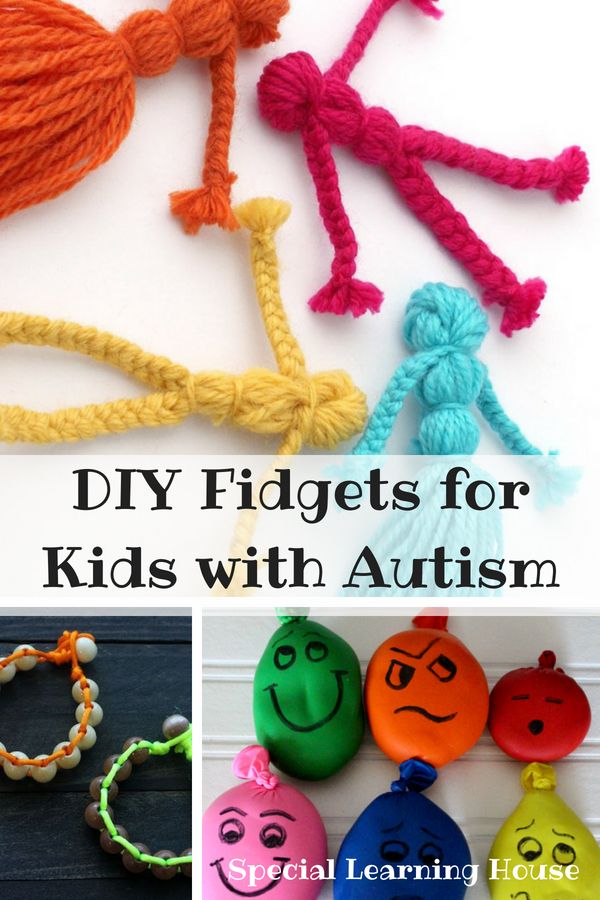
Consider the humble stress ball, a staple in the fidget arsenal. Its pliable surface yields under pressure, a tactile metaphor for resilience. When squeezed, it absorbs tension, releasing it in increments that mirror the gradual unwinding of a taut spring. This simple act of compression and release is a physical manifestation of emotional regulation, a way to externalize and manage inner turmoil. For those who find solace in repetitive motions, homemade fidget toys can be crafted to amplify this effect, their textures and resistances designed to cater to specific sensory preferences—whether it’s the crunch of crinkled fabric, the cool smoothness of polished stone, or the gentle resistance of coiled wire.
Crafting Comfort: Materials and Metaphors in Homemade Design
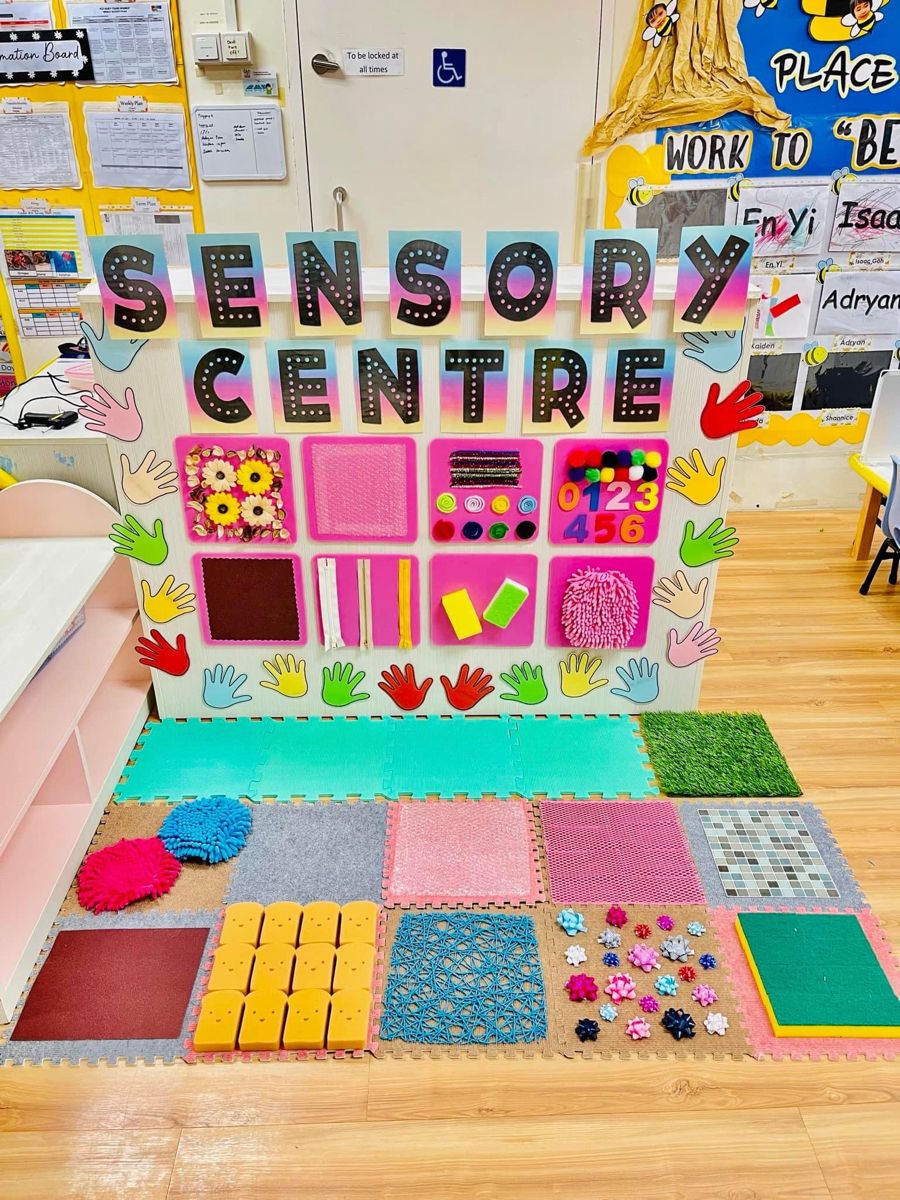
The beauty of homemade fidget toys lies in their bespoke nature. Unlike mass-produced items, which cater to broad sensory needs, DIY creations can be sculpted to fit the unique contours of an individual’s sensory profile. The materials chosen for these tools are not arbitrary; they are carefully selected to evoke specific tactile sensations that resonate on a primal level. Think of the velvety softness of fleece, which invites gentle stroking, or the satisfying rigidity of a wooden bead, which offers a firm resistance to grip. Each material tells a story, whispering of forests, workshops, or the quiet hum of a sewing machine stitching together comfort.
One particularly intriguing homemade option is the “sensory bottle,” a mesmerizing vessel filled with glitter, water, and small trinkets that drift and swirl with every tilt of the container. This miniature ecosystem is a microcosm of controlled chaos, where the unpredictable dance of objects within the liquid mirrors the ebb and flow of emotions. The act of shaking the bottle and watching the contents settle is a visceral reminder that turbulence, no matter how fierce, eventually gives way to stillness. For those who find solace in visual stimulation, these bottles can be customized with colors and textures that align with personal preferences, turning a simple craft into a portal to tranquility.

The Silent Symphony of Tactile Feedback
Tactile feedback is the unsung hero of sensory regulation, a language of touch that speaks volumes without words. Homemade fidget toys excel in this arena, offering a symphony of textures that can be fine-tuned to individual desires. Imagine a “fidget cube” crafted from interlocking wooden blocks, each face adorned with a different tactile experience—a smooth pebble embedded in resin, a stretchy fabric patch, a coiled spring, or a ridged surface that mimics the grooves of a fingerprint. The act of rotating the cube, exploring each texture in turn, is akin to a musician running their fingers over the keys of a piano, each note a different sensation that contributes to the overall composition of comfort.
Another ingenious option is the “tangle toy,” a series of interconnected loops that can be twisted and turned into endless configurations. The resistance of the loops as they bend and snap back into place provides a satisfying feedback loop, a tactile puzzle that engages the mind while soothing the nerves. For those who crave deep pressure input, a homemade “weighted lap pad” can be stitched from layers of fabric and filled with rice, beans, or polyfill, its gentle weight a grounding force that anchors the body in the present moment. These creations are not just tools; they are extensions of the self, crafted with intention to meet unspoken needs.
Incorporating Movement: The Kinetic Dance of Fidgeting
Movement is the heartbeat of fidgeting, a kinetic language that speaks to the body’s innate desire for rhythm and flow. Homemade fidget toys that incorporate motion—whether through rolling, spinning, or sliding—tap into this primal need, offering a dynamic outlet for restless energy. Consider the “marble maze,” a DIY contraption where a small ball navigates a labyrinth of grooves, its path dictated by the gentle tilt of the board. The concentration required to guide the marble, the anticipation of each turn, and the satisfaction of reaching the end create a meditative experience that quiets the mind.
For those who prefer a more abstract form of motion, a “fidget spinner” can be crafted from cardboard, beads, and a pushpin, its spinning motion a hypnotic blur that captivates the eye. The act of setting it in motion and watching it whirl is a reminder of the beauty in simplicity, a fleeting moment of focus that suspends the chaos of the outside world. Even something as simple as a “bubble wrap popper” can become a tool of sensory release, the crisp snap of each bubble a cathartic release of tension. These toys are not just distractions; they are partners in the dance of self-regulation, their motions a mirror to the inner workings of the mind.
The Emotional Alchemy of Creation
There is a profound magic in the act of creation, a transformative power that turns raw materials into objects of comfort and utility. Crafting homemade fidget toys is not merely a practical endeavor; it is an emotional alchemy, a process that imbues each stitch, knot, and fold with intention. For caregivers, parents, or even the individuals themselves, the act of making these tools can be a form of therapy, a way to channel energy into something tangible and meaningful. The process of selecting materials, experimenting with designs, and refining each piece is a journey of discovery, one that fosters a deeper understanding of sensory needs and personal preferences.
Moreover, the act of gifting a homemade fidget toy carries a weight of significance. It is a tangible expression of care, a silent promise that says, “I see you. I understand your struggles, and I’ve created something just for you.” This emotional resonance elevates homemade fidget toys from mere objects to symbols of connection and empathy. They become vessels of comfort, passed from hand to hand, each one a testament to the power of human ingenuity and the unspoken language of touch.
A Final Whisper of Comfort
In a world that often feels overwhelming, where sensory stimuli bombard the senses like a relentless tide, homemade fidget toys stand as quiet sentinels of calm. They are more than tools; they are companions in the journey toward sensory harmony, each one a crafted sanctuary that whispers of comfort in a language only the hands can understand. Whether it’s the crunch of a crinkle fabric, the smooth glide of a marble, or the hypnotic spin of a DIY spinner, these creations offer a lifeline to those navigating the complexities of autism. They remind us that comfort can be found in the most unexpected places, and that sometimes, the simplest acts—like squeezing a stress ball or watching glitter settle in a bottle—can be the most profound acts of self-care.
So let the crafting begin. Let the textures be explored, the motions be mastered, and the comforts be discovered. In the quiet hum of a sewing machine or the gentle click of a homemade fidget spinner, there is a world of possibility—a world where sensory needs are met, one stitch, one spin, one squeeze at a time.