
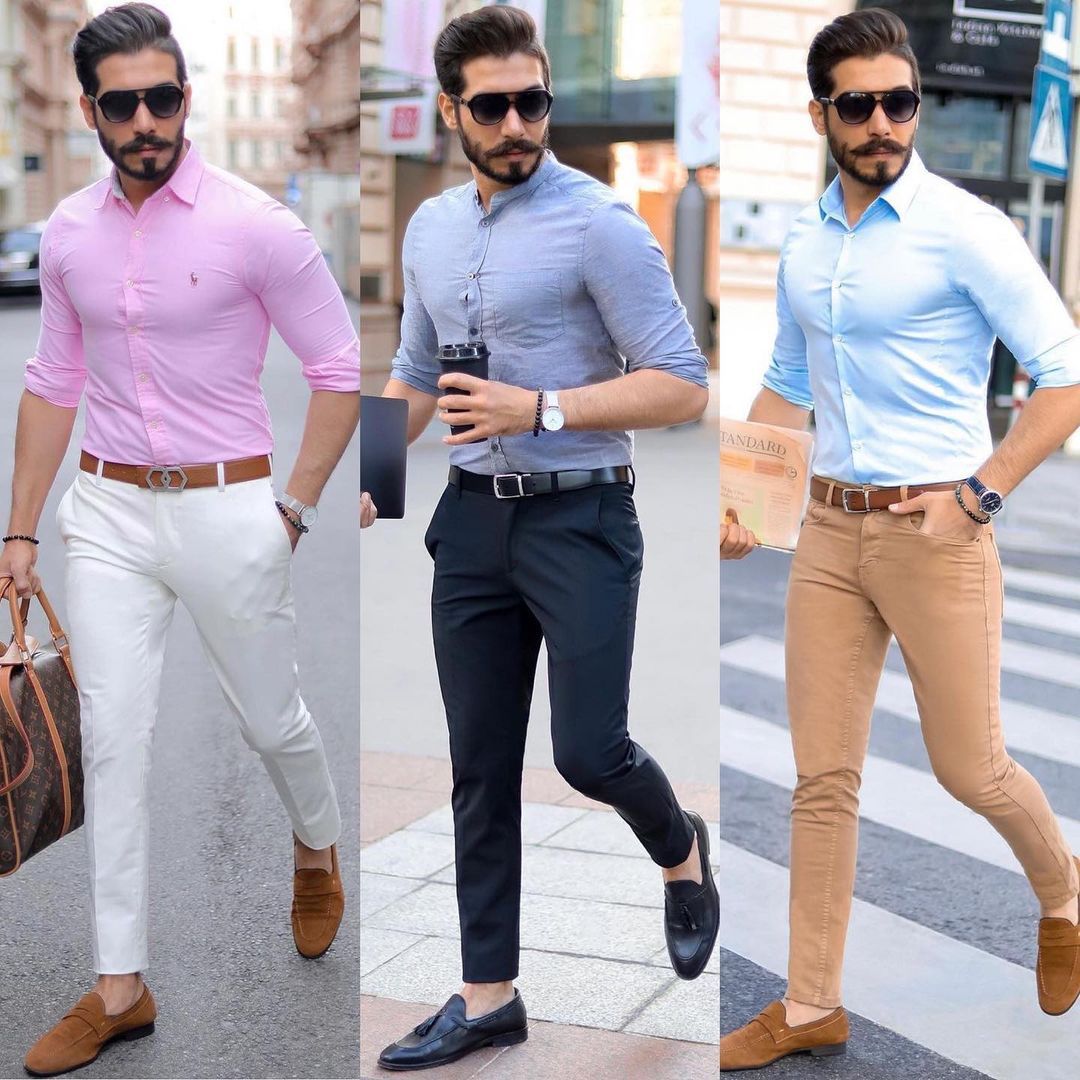
Autism and formal wear need not be mutually exclusive. For many neurodivergent individuals, the act of dressing up can feel like navigating a labyrinth of sensory triggers and social expectations. Yet, with thoughtful strategies, formal attire can become an empowering extension of identity rather than a source of distress. This guide explores how to approach formal dressing with autism in mind, offering practical solutions for comfort, style, and self-expression.
The Sensory Minefield of Formal Attire
Formal clothing often introduces a cascade of sensory challenges. The stiff collars of dress shirts, the itchy seams of tailored suits, or the restrictive fit of a pencil skirt can feel like a suit of armor lined with sandpaper. For autistic individuals, these discomforts aren’t merely inconveniences—they can escalate into overwhelming distress. The key lies in recognizing personal sensory thresholds and seeking alternatives that align with them.
Consider fabrics that prioritize breathability and softness, such as bamboo blends or organic cotton, which reduce tactile irritation. Weighted vests or compression garments worn beneath formal wear can provide grounding without compromising appearance. Additionally, seamless or tagless clothing eliminates one of the most common irritants, allowing the focus to shift from discomfort to confidence.
Adaptive Fashion: Where Elegance Meets Accessibility
The rise of adaptive fashion has revolutionized formal wear for neurodivergent individuals. Brands now offer clothing with magnetic closures, adjustable waistbands, and hidden openings for sensory needs. A blazer with a discreet zipper along the side, for instance, allows for easy ventilation without sacrificing sophistication. Similarly, dresses with stretchable panels or detachable sleeves provide flexibility in both fit and function.
For those who struggle with fine motor skills, Velcro fastenings or large buttons simplify the process of dressing. Layering is another strategy—pairing a breathable base layer with a structured outer garment ensures comfort while maintaining a polished look. The goal isn’t to conform to rigid standards but to redefine them, proving that formal wear can be both functional and fashionable.
The Psychology of Dressing Up
Formal attire often carries symbolic weight, representing professionalism, celebration, or social significance. For autistic individuals, the pressure to perform in these settings can feel disproportionate. However, reframing the purpose of dressing up can alleviate some of this burden. Instead of viewing formal wear as a performance, consider it a tool for self-expression—one that can be tailored to individual comfort levels.
Experiment with colors, textures, and styles that resonate personally. A deep indigo suit might feel more grounding than a stark black one, while a flowing skirt could offer a sense of movement that trousers lack. The act of dressing can become a ritual of preparation, signaling to the brain that it’s time to transition into a different mode of engagement. This mindful approach transforms formal wear from a source of anxiety into a bridge between comfort and occasion.
Navigating Social Expectations
Society’s expectations around formal attire are often rigid, but they’re not immutable. For autistic individuals, advocating for personal needs in formal settings requires both preparation and confidence. A discreet conversation with event organizers or colleagues can preempt misunderstandings about dress code deviations. For example, explaining that a softer fabric is necessary for sensory reasons can foster empathy and accommodation.
In professional environments, remote work or hybrid models can provide an alternative to traditional office attire. If formal wear is unavoidable, consider a capsule wardrobe of interchangeable pieces that minimize decision fatigue. A single well-fitted blazer paired with different shirts and trousers can simplify the process while maintaining versatility. The goal is to meet social expectations without sacrificing well-being.
Practical Tips for Stress-Free Dressing
Preparation is the cornerstone of a smooth dressing experience. Lay out clothing the night before to reduce morning decision-making. If possible, practice wearing the outfit in advance to identify and address any discomforts. For events with strict dress codes, scout the venue beforehand to gauge temperature and lighting, which can influence fabric choices.
Accessories can also play a role in sensory regulation. A textured bracelet or a weighted necklace can provide subtle tactile input, while noise-canceling headphones can mitigate auditory distractions in crowded settings. Footwear deserves special attention—opt for shoes with cushioned insoles or consider dressy loafers that don’t require laces. The less energy spent on physical discomfort, the more can be directed toward enjoying the occasion.
Celebrating Individuality Through Style
Formal wear doesn’t have to be synonymous with uniformity. For autistic individuals, clothing can be a canvas for creativity and self-advocacy. Incorporate elements that reflect personal interests, whether it’s a subtle pattern, a favorite color, or a unique accessory. A lapel pin shaped like a favorite animal or a tie with an unconventional print can spark joy and serve as a conversation starter.
Photographic documentation of outfits can also be empowering. Creating a visual style guide helps in identifying what works and what doesn’t, turning the process of dressing into a collaborative dialogue with oneself. Over time, this practice can build a wardrobe that feels authentically “you,” reducing the need to conform to external standards.
The intersection of autism and formal wear is not about compromise but about reimagining possibilities. By prioritizing sensory comfort, leveraging adaptive fashion, and embracing personal style, dressing up can become an act of empowerment rather than endurance. The goal is not to erase differences but to celebrate them, proving that elegance and authenticity can coexist. In a world that often demands conformity, formal wear can be a quiet rebellion—a declaration that comfort and style are not mutually exclusive, but rather, the foundation of true confidence.












