Have you ever walked into a room and felt an inexplicable sense of unease, as if the space itself were conspiring against your comfort? For many individuals with autism, this isn’t just a fleeting sensation—it’s a daily reality shaped by the way furniture is arranged. The placement of a single chair or the angle of a bookshelf can transform a sanctuary into a labyrinth of sensory overload. But what if the solution isn’t just about removing clutter, but about orchestrating a space where every piece of furniture serves a purpose, guiding movement with intention and clarity?
Creating clear and comfortable pathways in a home or classroom isn’t just about aesthetics; it’s about fostering autonomy, reducing anxiety, and ensuring that the environment adapts to the needs of its inhabitants rather than the other way around. For autistic individuals—whether children navigating a classroom or adults seeking solace at home—the layout of furniture can mean the difference between a space that feels like a refuge and one that feels like a puzzle waiting to be solved. So, how do we design pathways that are not only functional but also soothing, predictable, and empowering?
The Psychology of Space: Why Pathways Matter
Imagine stepping into a room where the floor is littered with obstacles—chairs jutting into walkways, tables placed haphazardly, and doorways that seem to shift with every glance. For someone with autism, this isn’t just inconvenient; it’s a minefield of unpredictability. The brain of an autistic individual often processes sensory input in a way that amplifies the importance of spatial organization. A clear pathway isn’t merely a convenience; it’s a visual anchor, a silent guide that reduces cognitive load and minimizes the need for constant environmental scanning.
Research in environmental psychology suggests that humans, regardless of neurotype, thrive in spaces that offer a sense of control and predictability. For autistic individuals, this need is magnified. A well-defined pathway acts as a roadmap, signaling where movement is encouraged and where it should be avoided. It transforms a room from a chaotic expanse into a series of intentional zones, each with its own purpose and rhythm. Without this structure, the brain may struggle to filter out irrelevant stimuli, leading to heightened stress and a diminished ability to engage with the environment.
Designing for Flow: The Art of Intentional Layout
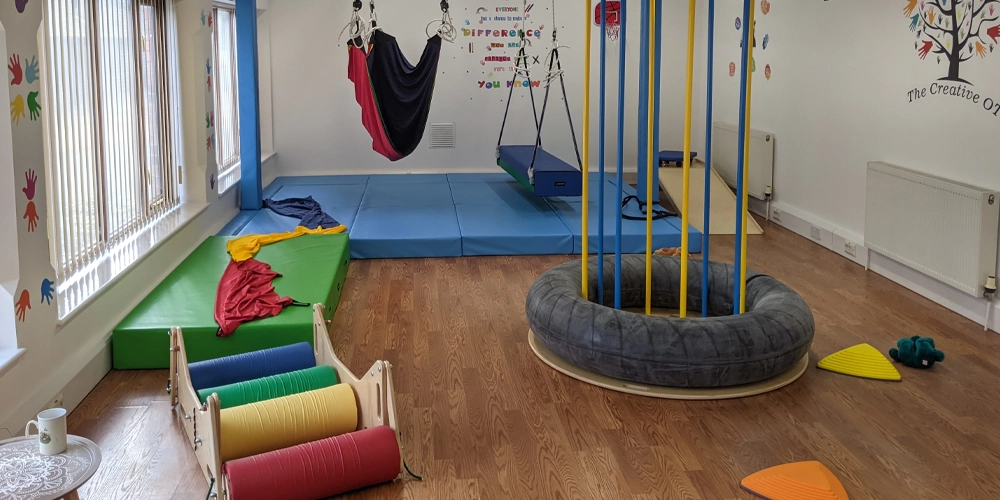
Creating pathways that feel natural and unobtrusive requires more than just pushing furniture against the walls. It demands a thoughtful approach to flow, where each piece of furniture is positioned not just for its function, but for its role in guiding movement. Start by identifying the primary pathways in the room—the routes most frequently used, such as from the door to a seating area or from a bed to a desk. These should be wide enough to accommodate comfortable movement, ideally at least 36 inches, to allow for side-by-side walking or the use of mobility aids if needed.
Next, consider the concept of “furniture zoning.” Group related items together to create distinct areas within the room. For example, a reading nook might consist of a chair, a small table for a lamp, and a bookshelf, all arranged in a way that signals their connection. Pathways should weave between these zones without interruption, avoiding sharp turns or cramped spaces that could feel claustrophobic. Curved pathways, for instance, can soften the visual impact of a room and create a more inviting flow, while straight, unbroken lines can offer a sense of order and efficiency.
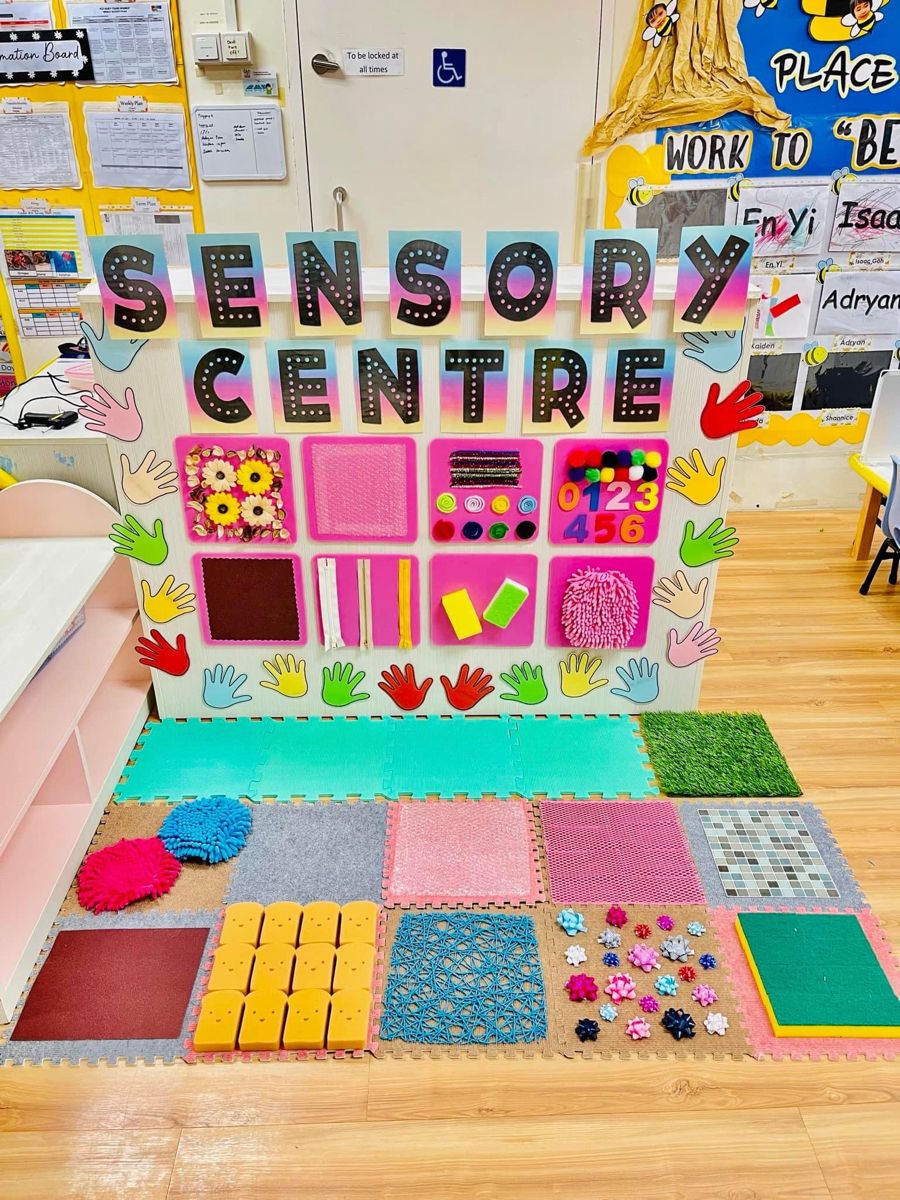
Another key element is the use of visual cues. For those who are visually oriented, color contrasts, rugs, or even subtle floor markings can delineate pathways and signal where movement is encouraged. In a classroom setting, this might mean placing a brightly colored rug in the center of the room to define the main walkway, while in a home, a change in flooring texture or a strategically placed piece of furniture can serve the same purpose.
Overcoming Common Pitfalls: When Furniture Arrangement Backfires
Even the most well-intentioned layouts can inadvertently create challenges. One common mistake is the “island effect,” where furniture is arranged in a way that forces individuals to navigate around a central piece, such as a coffee table or an island in a kitchen. While this might seem like a space-saving solution, it can create bottlenecks and make the room feel cramped, especially for those who need extra room to maneuver. Instead, consider floating furniture—placing pieces slightly away from walls to create a more open feel and smoother flow.
Another pitfall is the overuse of enclosed spaces. While some autistic individuals may seek out cozy, enclosed areas for comfort, too many barriers can fragment the space and make it feel disjointed. The goal is to strike a balance between openness and enclosure, ensuring that pathways remain unobstructed while still providing opportunities for retreat. For example, a high-backed chair or a bookshelf can create a sense of seclusion without blocking the main walkway.
Lighting also plays a crucial role in how pathways are perceived. Harsh overhead lighting can create glare and shadows that distort the visual clarity of a space, making it difficult to navigate. Opt for layered lighting—ambient, task, and accent—to illuminate pathways evenly and reduce sensory strain. Dimmer switches or smart lighting can allow for adjustments based on the time of day or the individual’s sensory needs.
Adapting for Different Needs: A Tailored Approach
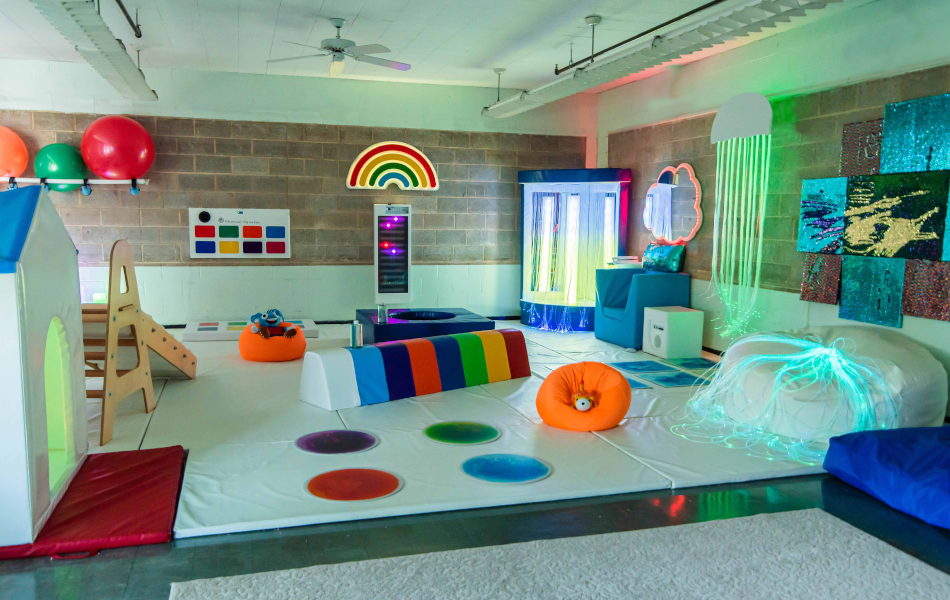
No two autistic individuals have the same sensory profile or spatial preferences, which means that furniture arrangement must be flexible. For some, a minimalist layout with plenty of open space is ideal, while others may benefit from the inclusion of sensory-friendly furniture, such as weighted chairs or cushioned seating, that can be integrated into the pathway design. Consider modular furniture that can be rearranged easily to accommodate changing needs or preferences.
In shared spaces, such as classrooms or family rooms, collaboration is key. Involve the individual in the design process, if possible, and observe how they interact with the space. Do they avoid certain areas? Do they seem to navigate the room with ease or hesitation? These observations can provide valuable insights into what’s working and what isn’t. It’s also important to consider the needs of others who may use the space, ensuring that the layout remains functional for everyone without sacrificing clarity or comfort.
The Ripple Effect: How Thoughtful Pathways Transform Daily Life
When pathways are designed with intention, the benefits extend far beyond mere convenience. A clear and comfortable layout can reduce anxiety, improve focus, and enhance independence. For children in a classroom, it can mean fewer disruptions and a greater ability to engage with learning materials. For adults at home, it can transform a space from a source of stress into a sanctuary of calm. Even small changes, such as repositioning a chair or adding a rug, can have a profound impact on how a space feels and functions.
Ultimately, creating pathways that work for autistic individuals is about more than just furniture placement—it’s about crafting an environment that respects their unique way of experiencing the world. It’s about recognizing that a room isn’t just a collection of objects, but a living, breathing entity that can either support or hinder daily life. By approaching design with empathy, creativity, and a willingness to adapt, we can transform spaces into places of comfort, clarity, and connection.
So the next time you rearrange a room, ask yourself: Is this layout guiding movement with purpose, or is it creating unnecessary obstacles? The answer might just change the way someone experiences the space forever.