The gentle rustle of leaves, the earthy perfume of damp soil, the vibrant tapestry of petals unfurling—gardens are not merely collections of plants. They are sanctuaries of sensory modulation, where the autistic mind finds solace in patterns, textures, and rhythms that often elude the bustle of urban life. For individuals on the autism spectrum, gardening transcends hobby status; it becomes a form of embodied cognition, a tactile dialogue with the natural world that speaks in a language of tactile feedback and visual harmony. This fascination is not merely anecdotal. It is rooted in the neurological predispositions of autism, where the brain’s heightened sensitivity to sensory input and preference for structured, predictable environments converge with the garden’s inherent order. Yet, beyond the surface appeal lies a deeper narrative: one of agency, self-regulation, and the quiet revolution of reclaiming autonomy through soil, seed, and sunlight.
The Sensory Sanctuary: How Gardens Calm the Autistic Nervous System
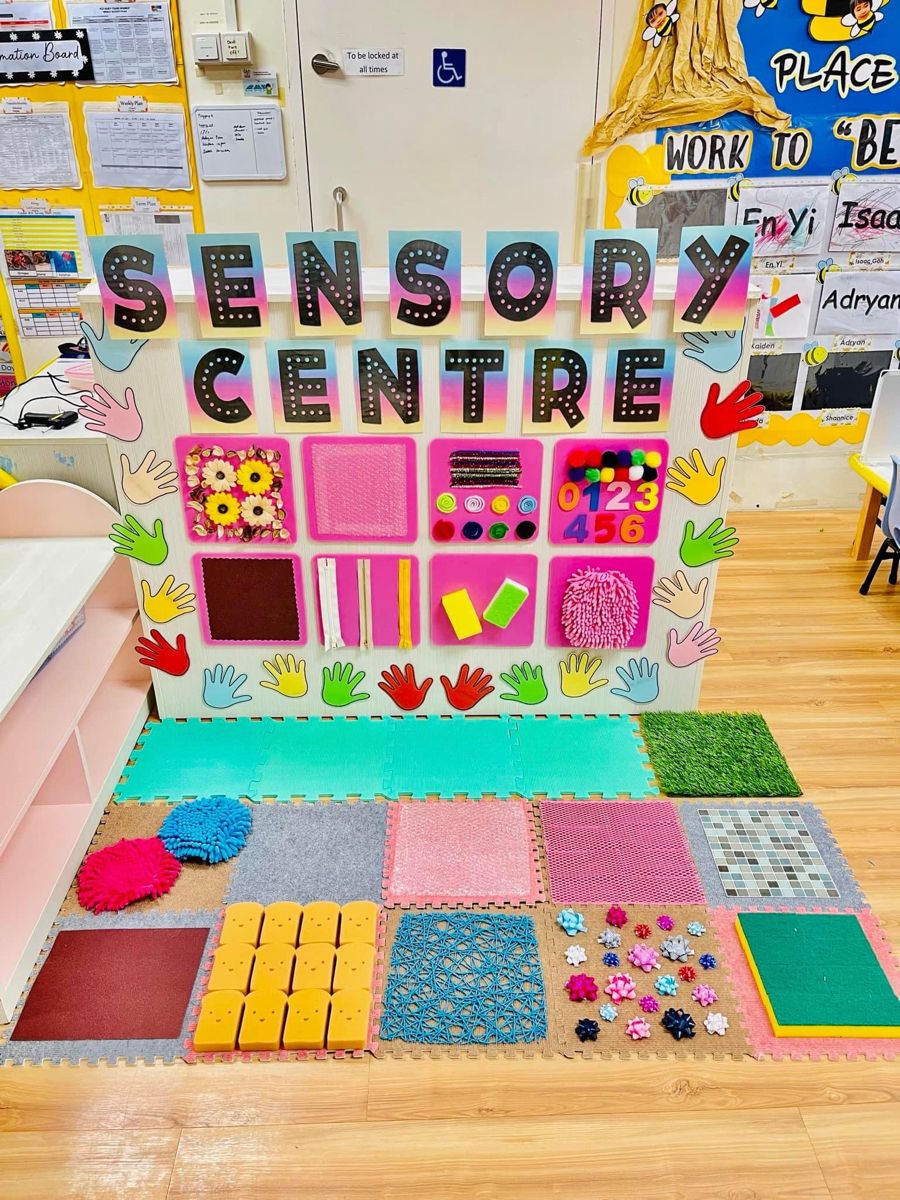
Autistic individuals often experience the world as a cacophony of stimuli—fluorescent lights humming, fabrics itching, voices layered in overlapping frequencies. The garden, however, offers a curated sensory experience. The soft crunch of gravel underfoot, the cool slickness of wet leaves, the rhythmic drip of water from a hose—each sensation can be chosen, controlled, and savored in isolation. This is not escapism. It is sensory regulation. Studies in environmental psychology suggest that natural settings, particularly those rich in biodiversity, reduce physiological markers of stress such as cortisol levels and heart rate variability. For the autistic nervous system, which may process sensory input with heightened intensity, the garden acts as a buffer—a controlled chaos where stimuli are not overwhelming but instead invite participation. The predictable rustle of bamboo in the wind, for instance, can become a soothing white noise, a metronome for a mind that craves rhythm in a world often perceived as arrhythmic.
Moreover, the tactile engagement with soil—its cool dampness, its granular resistance—provides deep pressure input, akin to weighted blankets but with the added benefit of active participation. This form of proprioceptive feedback can ground an individual in the present moment, reducing anxiety and fostering a sense of bodily awareness that is often elusive in neurotypical social environments. The garden, in this sense, is not just a place but a practice: a daily ritual of reconnection with the physical self through the medium of earth.
The Rhythm of Growth: Predictability and Autonomy in the Garden
Autism is frequently associated with a preference for routine and predictability. The garden, with its cyclical nature—sowing, nurturing, harvesting, decaying—mirrors this internal rhythm. Unlike the unpredictable social scripts of human interaction, the garden operates on a schedule dictated by seasons, sunlight, and water cycles. This inherent structure can be profoundly reassuring. A seed planted today will sprout in two weeks; a tomato will ripen in late summer. There is no ambiguity in the process, no need for rapid social decoding. The autistic gardener is not negotiating meaning but observing consequence—a clarity that can feel revolutionary in a world where communication is often a minefield of unspoken rules.
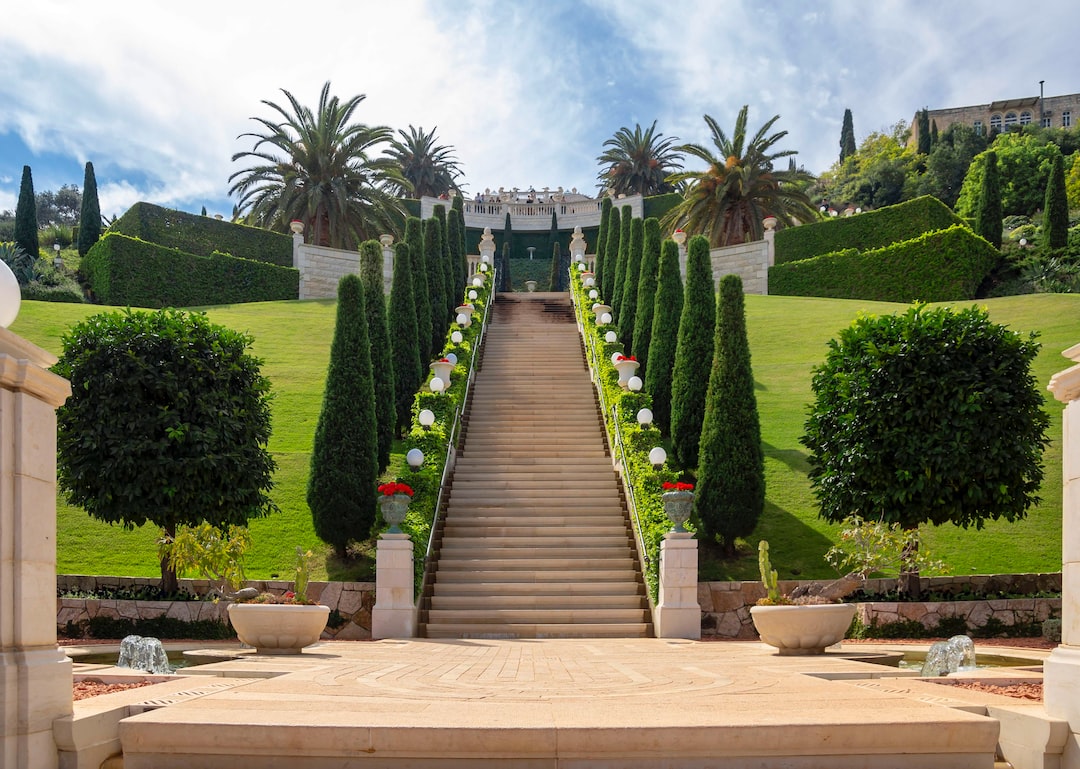
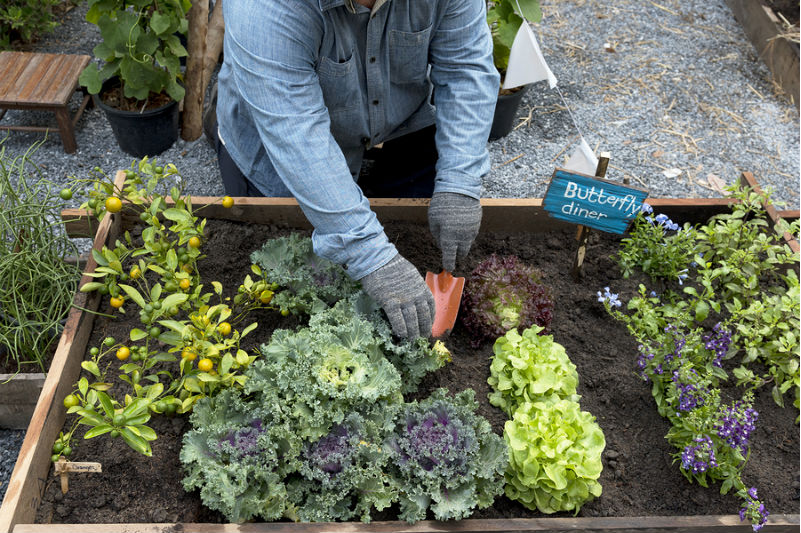
This predictability extends to the physical space of the garden itself. Raised beds, clearly demarcated pathways, and labeled plant markers create a visual hierarchy that reduces cognitive load. The act of tending to a specific plot—weeding, pruning, watering—becomes a form of meditative repetition, a loop of action and observation that requires no verbal exchange. For individuals who may struggle with executive function or social pragmatics, the garden offers a rare opportunity to exert control without judgment. The soil does not demand eye contact or reciprocal conversation. It simply responds to care.
Yet, within this structure lies a paradox: the garden is both predictable and dynamic. A single season can yield surprises—a sudden aphid infestation, an unexpected frost, a volunteer plant sprouting where none was sown. These variables, while challenging, also introduce a form of controlled novelty that can be stimulating without being overwhelming. The autistic brain, which often thrives on novelty within familiar frameworks, finds in the garden a playground of manageable unpredictability—a space where change is not a threat but a narrative.
Social Growth in Solitude: The Quiet Communion of Plants
Gardening is often framed as a solitary pursuit, and for many autistic individuals, solitude is not just preferred but necessary for well-being. The garden becomes a refuge from the sensory and social overload of the outside world. Yet, this solitude is not isolation. It is a form of communion—one that unfolds in the language of plants rather than people. The act of nurturing a seed into a flowering plant is a dialogue without words, a transaction of care that yields tangible results. This can be deeply validating for individuals who may struggle to express emotions or connect with others in conventional ways.

The garden also offers a unique social bridge. Shared gardening spaces, such as community plots or therapeutic horticulture programs, provide opportunities for interaction without the pressure of small talk. The focus on a shared task—planting, harvesting, composting—creates a natural context for connection, where communication is secondary to collaboration. For autistic individuals who may find socializing exhausting, the garden offers a middle ground: a place where relationships can develop organically, through shared purpose rather than forced conversation.
Moreover, the garden can serve as a metaphor for personal growth. Watching a plant thrive under one’s care can reinforce a sense of competence and agency, qualities that are often diminished in environments where autistic individuals are expected to adapt to neurotypical norms. The garden becomes a mirror, reflecting back the capacity for nurturing, patience, and resilience—traits that extend far beyond the soil.
The Neurodivergent Botanist: Patterns, Taxonomy, and the Joy of Classification
Many autistic individuals exhibit a strong affinity for systems, patterns, and categorization. The garden is, in essence, a living taxonomy—a catalog of life forms that can be studied, organized, and mastered. From the venation patterns of leaves to the symbiotic relationships between roots and mycorrhizal fungi, the garden is a classroom without walls. For the autistic mind, which often seeks order in complexity, the act of identifying plants, tracking their growth cycles, or even designing a garden layout based on color gradients or height variations can be deeply satisfying.
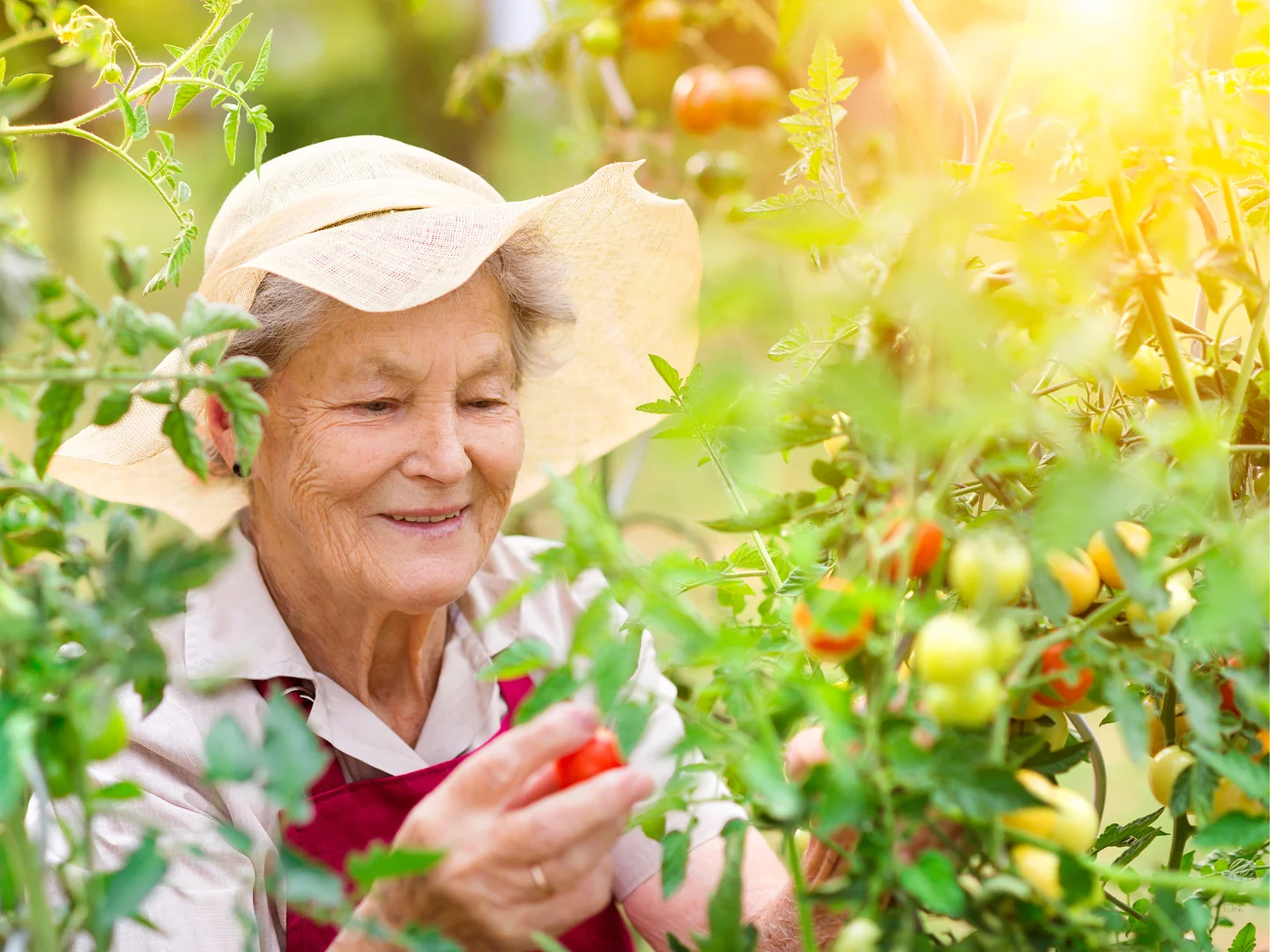
This fascination with classification is not merely academic. It is a form of intellectual play, a way to impose order on a world that often feels chaotic. The garden, with its clear hierarchies—perennials vs. annuals, monocots vs. dicots, pollinators vs. pests—provides a framework for understanding life’s intricacies. For autistic individuals who may feel overwhelmed by the fluidity of human social structures, the garden offers a tangible, visual system where rules are explicit and consequences are immediate.
This affinity for botanical systems can also extend to the ethical dimensions of gardening. The concept of sustainability, for instance, resonates deeply with many autistic individuals who are drawn to the idea of closed-loop systems where waste is minimized and resources are recycled. Composting, rainwater harvesting, and permaculture principles align with the autistic preference for efficiency and long-term thinking. The garden, in this sense, becomes not just a hobby but a philosophy—a way of engaging with the world that prioritizes harmony over exploitation.
From Soil to Self: The Transformative Power of Gardening
The therapeutic benefits of gardening for autistic individuals are not limited to sensory regulation or skill-building. They are also deeply existential. The garden is a microcosm of life’s cycles—birth, growth, decay, renewal—and witnessing these cycles can foster a sense of connection to something larger than oneself. For individuals who may feel isolated or misunderstood, the garden offers a tangible reminder of their own capacity for creation and care. A single seed, planted with intention, can grow into a towering sunflower or a delicate herb, a testament to the power of patience and persistence.
Moreover, the garden can serve as a bridge between the internal and external worlds. The act of nurturing a plant requires not just physical labor but emotional investment. The disappointment of a failed seedling or the joy of a first harvest are experiences that mirror the highs and lows of personal growth. In this way, the garden becomes a metaphor for resilience, teaching lessons about adaptability, acceptance, and the beauty of imperfection.
The garden is also a space of autonomy. In a world where autistic individuals are often expected to conform to neurotypical expectations, the garden offers a rare opportunity to dictate the terms of engagement. The soil does not care about eye contact or tone of voice. It responds to consistency, care, and attention. This autonomy can be profoundly empowering, reinforcing a sense of self-efficacy that extends beyond the garden gate.
The Future in Full Bloom: Gardening as a Lifelong Practice
Gardening is not a fleeting trend or a passing phase. It is a practice that can evolve alongside the individual, offering new challenges and rewards at every stage of life. For autistic children, the garden can be a sensory playground and a classroom. For teenagers, it can be a space of self-expression and skill-building. For adults, it can be a form of therapy and a source of purpose. And for older adults, it can be a legacy—a way to leave a mark on the world through the plants they nurture.
The garden is also a space of intergenerational connection. Autistic individuals may find common ground with elders who share their love of plants, creating bonds that transcend age and neurotype. The act of passing down seeds, knowledge, or simply the joy of tending a garden can be a powerful form of legacy-building, one that connects the past, present, and future in a single, living thread.
Ultimately, the garden is more than a collection of plants. It is a sanctuary, a classroom, a laboratory, and a stage. For autistic individuals, it offers a rare convergence of sensory comfort, intellectual stimulation, and emotional nourishment. It is a place where the world makes sense—not because it is simple, but because it is structured, predictable, and responsive. In the soil, the autistic mind finds not just a hobby, but a home.