Emerging research is progressively unraveling a profound yet often overlooked relationship that may redefine how we understand autism in its entirety. The intricate dialogue between the gastrointestinal system and the brain—often termed the gut-brain axis—illuminates a landscape where neurodevelopmental and digestive health are not isolated phenomena but interconnected chapters of one complex narrative. Exploring this gut-brain connection holds the promise of profound shifts in clinical approaches, therapeutic strategies, and, ultimately, the lived experience of individuals on the autism spectrum.
The Unseen Dialogue: Understanding the Gut-Brain Axis
The gut-brain axis is much more than a simple communication highway; it is a dynamic, bidirectional system involving neural, hormonal, and immunological signaling pathways. For decades, the brain was viewed as the sole conductor of our body’s orchestration, yet recent insights reveal a compelling counterpoint: the gastrointestinal tract, often dubbed the “second brain,” wields considerable influence over emotional and cognitive functions.
The enteric nervous system (ENS), a complex network of neurons embedded within the lining of the gastrointestinal tract, operates with remarkable autonomy and sophistication. This system sends signals directly to the central nervous system (CNS) and impacts neurological development and function. In individuals with autism spectrum disorder (ASD), disruptions in this communication may be implicated in both behavioral manifestations and the prevalence of gastrointestinal disturbances.

Prevalence of Gastrointestinal Disturbances in Autism
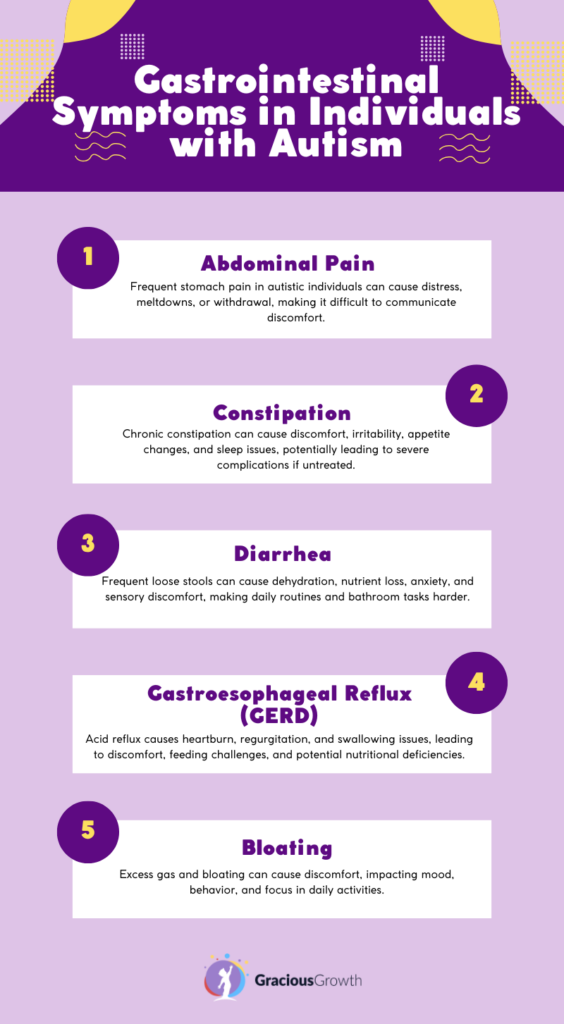
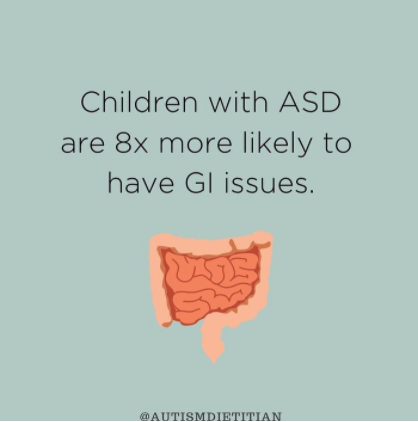
Gastrointestinal issues are not merely ancillary concerns but are among the most common comorbidities reported in autism populations. From chronic constipation and diarrhea to abdominal pain and gastroesophageal reflux, digestive complaints frequently exacerbate behavioral challenges. These physical symptoms often go underreported, overshadowed by the core social and communicative difficulties that define the diagnostic criteria of autism.
Current epidemiological studies suggest that up to 70% of individuals with ASD experience some form of gastrointestinal distress. Such a high incidence warrants integrative consideration: Could these symptoms offer more than discomfort? Might they be signals embedded in the physiology, signaling a deeper neurochemical dysregulation? The link raises compelling questions about symptom etiology and the potential for novel treatment paradigms.
Neurotransmitters and Their Dual Roles
Neurotransmitters, the chemical messengers governing neuronal communication, perform critical functions not only in the brain but also within the gut. Serotonin, for example, is famously associated with mood regulation, yet about 90% of the body’s total serotonin resides within the enterochromaffin cells of the gastrointestinal tract.
This dual presence highlights a fascinating overlap. Imbalances in serotonin levels found in many with ASD might stem, at least partially, from gastrointestinal dysfunctions. The dysregulation in neurotransmitter pathways may contribute to both the neurodevelopmental features of autism and the gastrointestinal symptoms, suggesting that understanding and potentially rectifying these imbalances could simultaneously address multifaceted aspects of the condition.
The Microbiome: A Key Player in the Autism-Gut Equation
Integral to the gut-brain axis is the microbiome—the vast ecosystem of microorganisms inhabiting the digestive tract. Its role in modulating immune responses, synthesizing neurotransmitters, and maintaining epithelial integrity places it at the heart of this emerging discourse.
Comparative analyses of gut microbiota in individuals with and without ASD reveal striking disparities. These microbial imbalances, or dysbiosis, may precipitate or worsen gastrointestinal symptoms, but their influence could also extend to behavioral and cognitive domains, navigating through metabolic byproducts and systemic inflammation. The microbiome becomes not merely a passive inhabitant but an active influencer, warranting attention as a potential therapeutic target.
Implications for Therapy and Future Directions
Recognizing the gut-brain interaction opens avenues for innovative intervention strategies. Traditional autism therapies focus predominantly on behavioral and developmental support. However, integrating gastrointestinal evaluation and management into autism care models fosters a more holistic understanding and treatment approach.
Dietary interventions, probiotics, and prebiotics are the subject of growing interest. These strategies aim to restore microbial balance, reduce inflammation, and enhance gut barrier function. Early clinical trials indicate promise but also underscore the complexity of individual variability, necessitating personalized medicine approaches. Furthermore, addressing gastrointestinal symptoms can ameliorate quality of life and potentially mitigate some behavioral challenges linked to discomfort or pain.
Pharmacological exploration targeting neurotransmitter pathways in the gut may also redefine treatment paradigms, emphasizing a bidirectional approach that respects the interplay between neurology and gastroenterology. As research advances, a comprehensive framework incorporating genetic, microbial, immunological, and neurochemical perspectives will be essential for unraveling the intricacies of autism.

Shifting Perspectives: Toward Integrated Understanding
Conventional views of autism have historically centered on neurodevelopmental abnormalities confined to the brain. This emerging body of knowledge invites a paradigmatic shift that embraces systemic interconnectedness. By acknowledging the gastrointestinal system’s influence on neurological function, the gut-brain axis challenges us to reconsider the etiology of autism, urging strategies that extend beyond isolated symptom management.
Such a shift not only enriches scientific inquiry but also changes the narrative for families and clinicians. It instills hope that holistic approaches addressing gut health hold untapped potential, encouraging a profound reimagining of autism that embraces biological complexity rather than reductionist frameworks.
Ultimately, the gut-brain connection invites continued exploration and empathy. It asks us to listen closely—to both the silent signals from the gut and the nuanced behaviors that define the spectrum. Within this dialogue lies the possibility of more effective, compassionate care that honors the whole person, paving the way for a future where autism’s challenges are met with innovation and understanding alike.