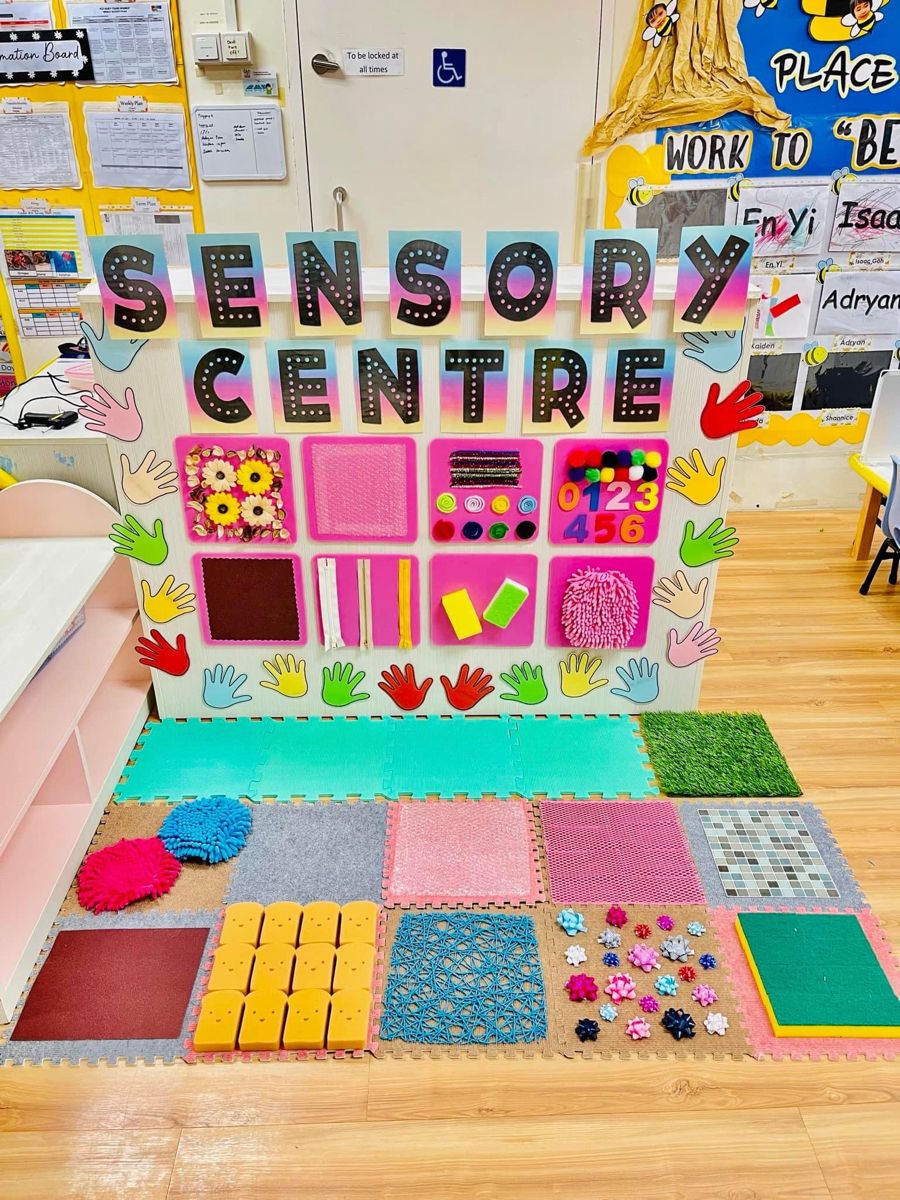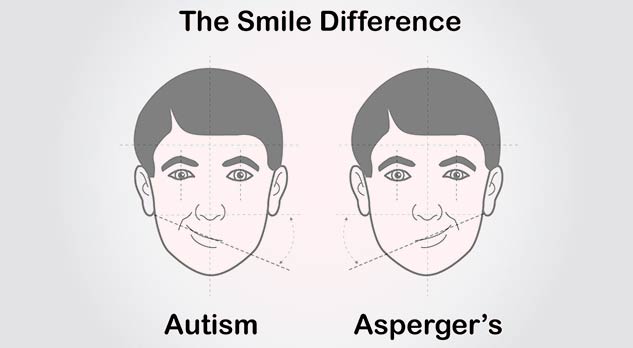
The global tapestry of autism advocacy is woven with threads of resilience, innovation, and unwavering commitment. As the prevalence of autism spectrum disorder (ASD) continues to rise—now affecting an estimated 1 in 36 children in the United States alone—so too does the urgency to dismantle barriers and foster inclusivity. Yet, beyond the statistics lies a deeper narrative: one of humanity’s relentless pursuit to understand, support, and celebrate neurodiversity. This journey is not merely about raising awareness; it is about redefining societal norms, challenging stigmas, and cultivating environments where every individual, regardless of cognitive wiring, can thrive. The organizations leading this charge are not just providers of services; they are architects of a more compassionate world, where differences are not just acknowledged but revered.
Autism, with its spectrum of challenges and strengths, demands a multifaceted approach to advocacy. From early intervention programs to vocational training, from policy reform to community education, the scope of work is vast. Yet, the most transformative efforts often begin with a single question: *How can we ensure that no neurodivergent individual is left behind?* The answer, as these organizations demonstrate, lies in collaboration, innovation, and an unshakable belief in the potential of every person. Their work transcends borders, languages, and cultures, proving that advocacy is not a luxury but a necessity for a just society.
The Power of Early Intervention: Laying Foundations for Lifelong Success
One of the most critical junctures in the autism advocacy landscape is early intervention. Research underscores that the first few years of a child’s life are pivotal in shaping cognitive, social, and emotional development. Organizations like those pioneering Applied Behavior Analysis (ABA) therapy and speech-language pathology have revolutionized how families navigate the early stages of an autism diagnosis. These programs do more than teach skills; they unlock doors to communication, social interaction, and independence that might otherwise remain closed.
Consider the case of a nonverbal child who, through targeted speech therapy, begins to articulate their needs for the first time. The ripple effects are profound: reduced frustration, improved family dynamics, and a newfound sense of agency. Yet, early intervention is not a one-size-fits-all solution. Culturally sensitive approaches, such as those tailored to bilingual families or indigenous communities, ensure that no child is excluded from the benefits of timely support. The organizations leading these efforts recognize that language, ethnicity, and socioeconomic status should never be barriers to accessing life-changing resources.
The financial burden of early intervention is another hurdle that advocacy groups are actively dismantling. Through grants, sliding-scale fees, and partnerships with insurance providers, these organizations are making therapy accessible to families who might otherwise struggle to afford it. The message is clear: every child deserves a fighting chance, and early intervention is the first step in that fight.
Vocational Training and Employment: Bridging the Opportunity Divide
For many neurodivergent individuals, the transition from adolescence to adulthood is fraught with uncertainty. Traditional workplaces, with their rigid structures and social expectations, often present insurmountable challenges. Yet, the tide is turning as organizations pioneer vocational training programs designed to harness the unique strengths of autistic individuals. From tech roles in software testing to culinary arts, these initiatives are not just about employment—they are about redefining productivity and workplace culture.
Take, for example, the rise of neurodiversity-affirming workplaces that prioritize strengths such as pattern recognition, attention to detail, and deep focus. Companies like SAP and Microsoft have embraced hiring programs specifically for autistic individuals, recognizing that neurodiversity can be a competitive advantage. These efforts extend beyond corporate settings; social enterprises and sheltered workshops provide safe, supportive environments where individuals can develop skills at their own pace. The goal is not assimilation but accommodation—creating spaces where differences are not just tolerated but celebrated.
Yet, the journey to meaningful employment is not without obstacles. Systemic biases, lack of workplace accommodations, and societal misconceptions persist. Advocacy groups are tackling these issues head-on by lobbying for policy changes, such as the expansion of the Americans with Disabilities Act (ADA) to include more robust protections for neurodivergent workers. They also provide employers with training on neurodiversity, fostering environments where sensory sensitivities, communication styles, and social preferences are respected. The result? A workforce that is not only more inclusive but also more innovative.
Policy Reform and Systemic Change: The Invisible Battles
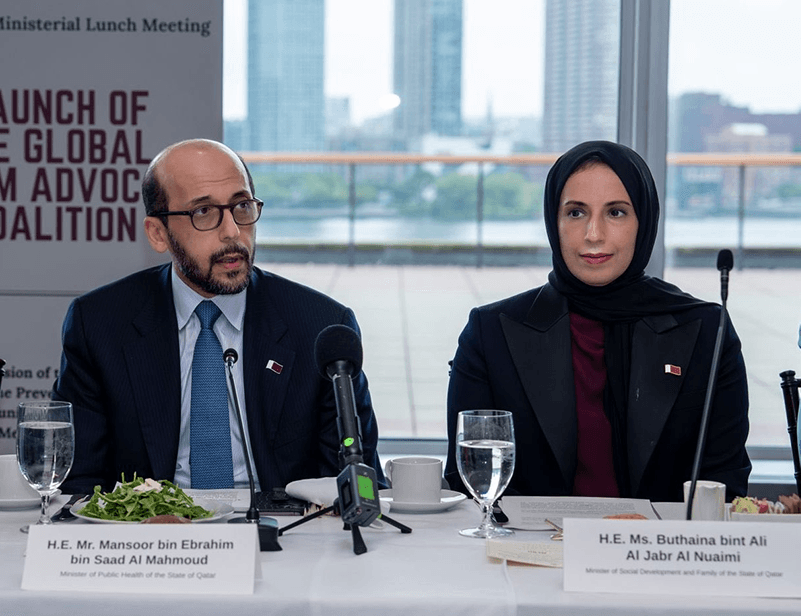
Behind every successful advocacy effort lies a foundation of policy reform. Governments and international bodies play a crucial role in shaping the landscape of autism support, from healthcare access to educational rights. Organizations like the Autism Society of America and the International Society for Autism Research (INSAR) are at the forefront of this fight, pushing for legislation that ensures equitable treatment and resources for autistic individuals across the globe.
One of the most pressing policy challenges is the disparity in autism services between developed and developing nations. In many low-income countries, autism remains a poorly understood condition, with families often facing stigma, misdiagnosis, or outright denial of services. Advocacy groups are addressing this gap by partnering with local governments to implement awareness campaigns, train healthcare professionals, and establish early intervention programs. The goal is not just to replicate Western models but to create culturally relevant solutions that resonate with local communities.
Another critical area of reform is education. Inclusive schooling, where neurodivergent students learn alongside their neurotypical peers, is a cornerstone of societal acceptance. Yet, many educational systems are ill-equipped to handle the diverse needs of autistic learners. Advocacy organizations are pushing for teacher training programs, individualized education plans (IEPs), and the removal of punitive measures like seclusion and restraint. The message is unequivocal: every child has the right to an education that nurtures their potential, not their limitations.
Community Education and Stigma Reduction: The Quiet Revolution
While policy and systemic change are vital, the most enduring transformations often begin at the grassroots level. Community education initiatives are breaking down the walls of ignorance and fear that have long surrounded autism. Through workshops, public campaigns, and storytelling, organizations are fostering a culture of understanding and acceptance. The power of these efforts lies in their ability to humanize autism, replacing stereotypes with real, relatable narratives.
Consider the impact of “autism acceptance” campaigns, which emphasize the value of neurodiversity rather than framing autism as a condition to be “cured.” These campaigns highlight the contributions of autistic individuals in fields ranging from art to science, challenging the notion that neurotypicality is the gold standard of human potential. They also provide families with the tools to advocate for their loved ones, equipping them with the knowledge to navigate healthcare, education, and social systems.
Yet, education is not a one-time endeavor. It is an ongoing dialogue that must adapt to new research, cultural shifts, and emerging challenges. Organizations are leveraging digital platforms to reach wider audiences, using social media, podcasts, and webinars to disseminate information in accessible formats. The goal is to create a society where autism is not just understood but embraced as a natural variation of human cognition.
The Future of Autism Advocacy: A Call to Collective Action
The path forward for autism advocacy is both exhilarating and daunting. On one hand, the progress of the past few decades is undeniable—more resources, greater awareness, and a growing recognition of neurodiversity. On the other hand, the work is far from complete. Millions of autistic individuals still lack access to essential services, and systemic barriers persist in education, employment, and healthcare. The future of advocacy will require not just continued effort but a fundamental reimagining of how society views and supports neurodivergent individuals.
One promising trend is the rise of participatory advocacy, where autistic individuals are not just beneficiaries of services but leaders in shaping them. Organizations like the Autistic Self Advocacy Network (ASAN) are amplifying the voices of those with lived experience, ensuring that advocacy efforts are grounded in authenticity and respect. This shift is not just ethical; it is strategic. Who better to understand the needs of autistic individuals than those who live with autism every day?
Another frontier is the integration of technology into advocacy. From AI-driven diagnostic tools to virtual reality social skills training, innovation is opening new avenues for support. Telehealth, for instance, has made therapy more accessible to families in remote areas, while apps designed for autistic individuals provide tools for communication, emotional regulation, and daily living. The challenge will be to ensure that these technologies are developed ethically, with input from the autism community, and that they do not exacerbate existing inequalities.
The journey toward a more inclusive world is not a sprint but a marathon. It demands patience, perseverance, and an unwavering belief in the power of collective action. The organizations leading this charge are not just changing lives; they are reshaping the very fabric of society. Their work reminds us that advocacy is not a privilege but a responsibility—a commitment to ensuring that every individual, regardless of neurological wiring, has the opportunity to live a life of dignity, purpose, and joy.
As we look to the future, one thing is clear: the fight for autism advocacy is far from over. But with every breakthrough, every policy change, and every act of kindness, we move closer to a world where neurodiversity is not just accepted but celebrated. And in that world, the true measure of progress will not be found in statistics or legislation, but in the smiles of children who finally find their voice, the adults who secure their first job, and the families who no longer feel alone. That is the promise of advocacy—a promise worth fighting for.