Autumn’s crisp air carries whispers of change, a season where the world transforms into a canvas of flickering jack-o’-lanterns and rustling fallen leaves. For families touched by autism, Halloween can feel like navigating a labyrinth of sensory triggers and social expectations. Yet, within this challenge lies an opportunity to redefine the holiday—not as a minefield of unknowns, but as a celebration of individuality, creativity, and connection. The key? Thoughtful preparation, sensory-friendly strategies, and a willingness to embrace the unconventional. Halloween, after all, is a night of metamorphosis, where identities are shed and remade in the blink of an eye. For autistic children, this transformation can be both exhilarating and daunting, but with the right tools, it becomes a journey of empowerment rather than overwhelm.
The Art of the Costume: Crafting Comfort and Identity
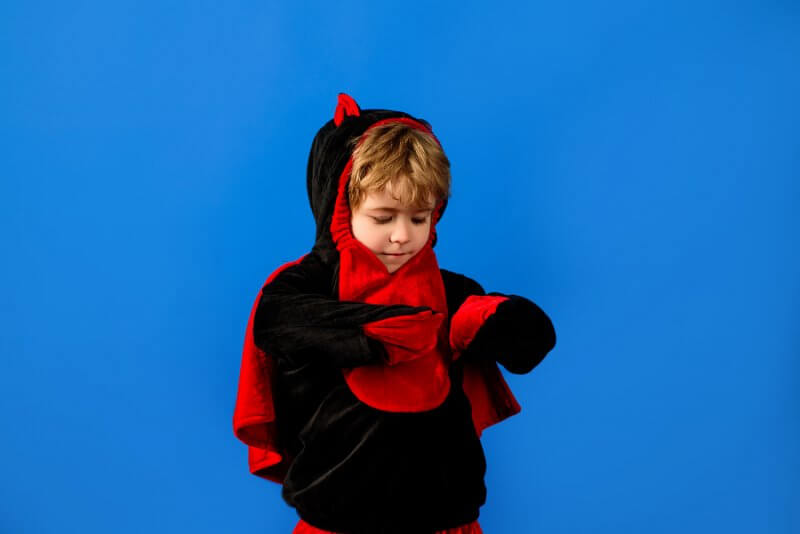
A costume is more than fabric and paint; it’s a second skin, a declaration of self. For autistic children, the right costume can be a bridge between familiarity and novelty, a way to step into a character while remaining grounded in their own identity. The trick lies in balancing sensory needs with the desire for expression. Start with fabrics that feel pleasant against the skin—soft cotton, stretchy spandex, or lightweight layers that don’t cling or chafe. Avoid costumes with excessive tags, seams, or textures that might trigger tactile sensitivities. Velcro fasteners, adjustable straps, and breathable materials can make the difference between a costume that’s worn and one that’s abandoned by midnight.
Consider the visual appeal as well. Bright colors, reflective elements, or glow-in-the-dark accents can captivate attention in a way that feels safe and stimulating. For children who are drawn to specific themes—dinosaurs, space, or beloved characters—lean into those interests. A costume that reflects a passion is more than a disguise; it’s a source of confidence. If masks are a no-go due to sensory discomfort, opt for face paint or makeup that can be easily removed. Alternatively, a hat or headpiece can add flair without the claustrophobic feel of a full mask. The goal is to create a costume that feels like an extension of the child, not a costume at all.

Sensory Navigation: Preparing for the Night’s Delights and Dreads
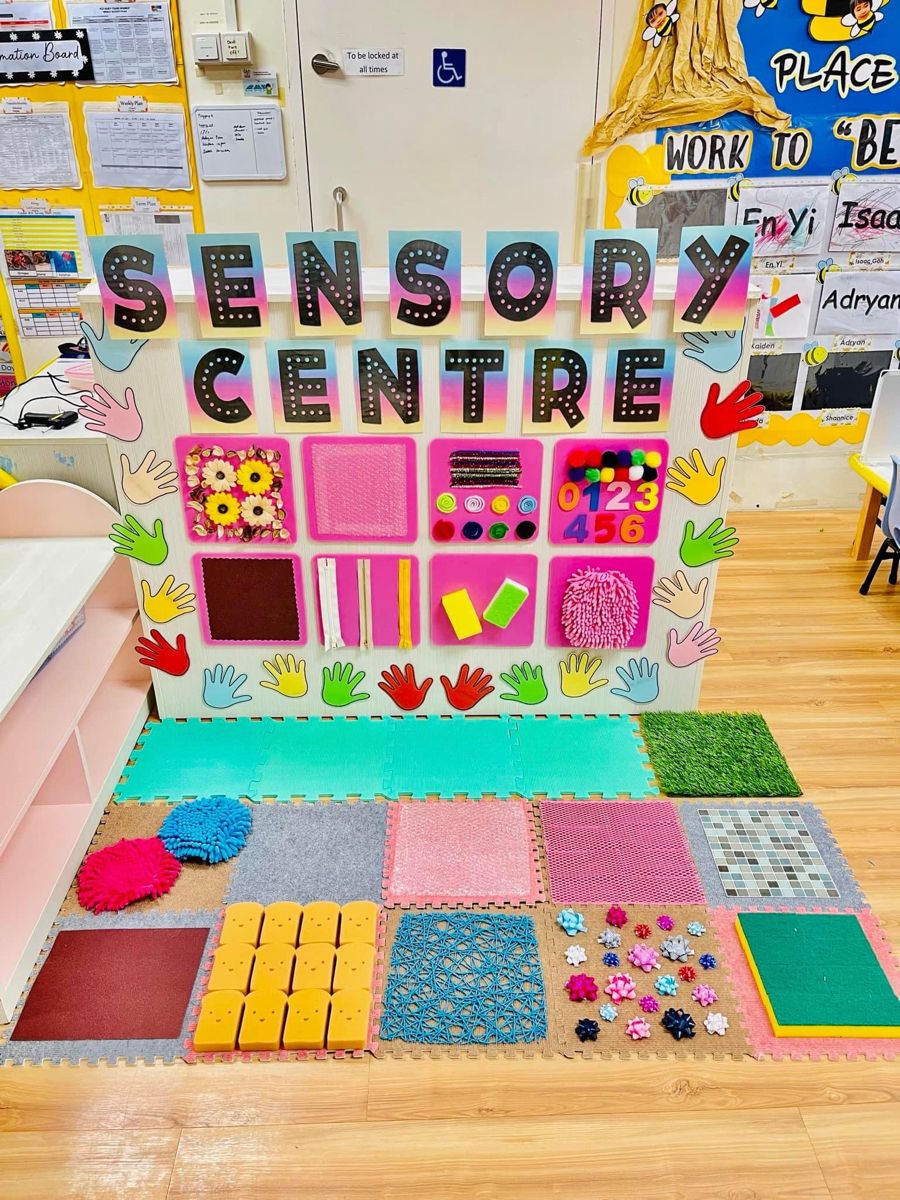
Halloween is a symphony of sensations—screeching laughter, the crunch of candy wrappers, the flicker of strobe lights in store windows. For autistic children, this sensory overload can turn a night of fun into a marathon of discomfort. The solution? A sensory roadmap. Before the festivities begin, scout the route. Choose neighborhoods with quieter streets or homes that offer a more controlled environment. If doorbells are a trigger, practice alternative greetings like knocks or knocks with a rhythmic pattern. Bring noise-canceling headphones or earplugs for moments when the world becomes too loud. A weighted blanket or lap pad can provide grounding comfort during breaks.
Lighting is another critical factor. The glow of jack-o’-lanterns and the flicker of candles can be mesmerizing, but for some, they’re disorienting. Sunglasses or tinted lenses can soften the visual chaos, while glow sticks or LED accessories can serve as both safety tools and sensory aids. Don’t underestimate the power of scent, either. A familiar, calming fragrance—like lavender or vanilla—applied to a wristband or carried in a small vial can act as an anchor in a sea of unfamiliar smells. Hydration and snacks are essential; hunger and thirst amplify sensory distress. Pack familiar treats or a favorite drink to maintain equilibrium.
Trick-or-Treating: A Choreography of Predictability
Predictability is the silent ally of autistic children. The unknowns of Halloween—unexpected decorations, sudden noises, or the pressure to perform socially—can be mitigated with a well-rehearsed plan. Start with a dry run. Walk the route during daylight hours to familiarize the child with the environment. Point out landmarks, potential triggers, and safe spaces where they can retreat if overwhelmed. Create a visual schedule or social story to outline the evening’s events, from putting on the costume to returning home. Use timers or alarms to signal transitions between activities, giving the child a sense of control over the pace.
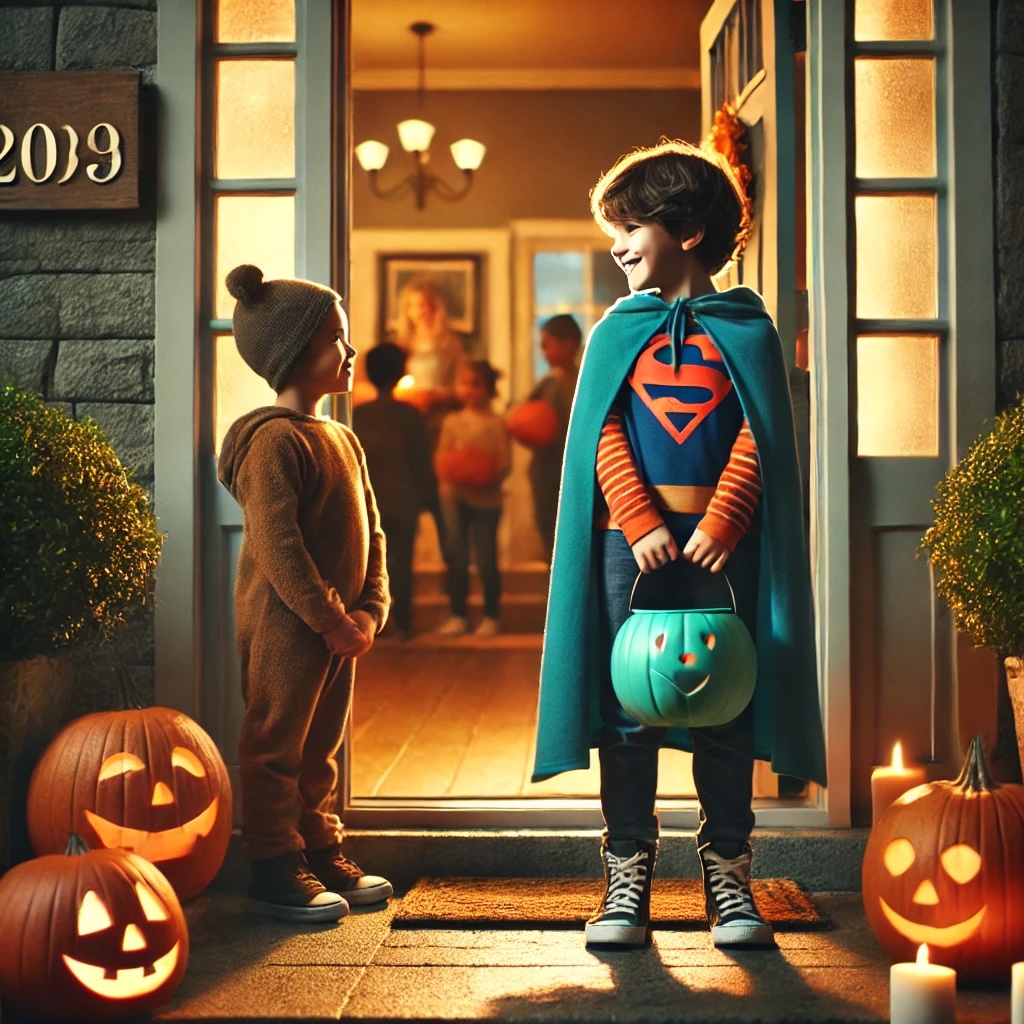
When it comes to trick-or-treating, flexibility is key. Some children may prefer to stay close to home, collecting candy from a few trusted neighbors. Others might enjoy the full experience, but with a twist—perhaps they’ll hand out candy instead of collecting it, or they’ll participate in a “reverse trick-or-treat” where they give out treats to others. The act of giving can be just as rewarding as receiving, and it removes the pressure of social interactions. If crowds are overwhelming, consider a “candy scavenger hunt” in a controlled setting, like a backyard or a quiet park. The goal is to make the experience enjoyable, not obligatory.
Social Scripts and Scripted Interactions: Easing the Pressure
The social demands of Halloween—saying “trick or treat,” making eye contact, or responding to compliments—can feel like a performance. For autistic children, these interactions may not come naturally, and that’s okay. Prepare social scripts in advance, practicing phrases like “Thank you!” or “Happy Halloween!” in a low-pressure setting. Role-play with dolls or stuffed animals to make the exchange feel more like play than obligation. If verbal communication is challenging, a written note or a pre-printed card can serve as a bridge. The focus should be on participation, not perfection.
Some children may prefer to trick-or-treat with a small group of trusted friends or family members, reducing the unpredictability of new faces. Others might find comfort in a “buddy system,” where a sibling or parent accompanies them door-to-door. If the child is nonverbal, consider a communication device or a simple sign—like a thumbs-up—to indicate their preference for candy. The goal is to create an environment where the child feels seen and respected, not rushed or judged.
Post-Halloween Rituals: Processing the Experience
The night may end, but the memories linger. For autistic children, the transition from Halloween back to everyday life can be jarring. Create a post-celebration ritual to help them process the experience. Sort and organize the collected candy, discussing favorites and dislikes. Draw pictures or write stories about the night’s adventures. If the child is verbal, ask open-ended questions like, “What was your favorite part?” or “What was the hardest part?” For nonverbal children, observe their reactions and offer comfort through familiar routines—a favorite snack, a cozy blanket, or a quiet activity. The goal is to validate their feelings and reinforce a sense of safety.
Halloween is more than a holiday; it’s a metaphor for the human experience—unpredictable, vibrant, and deeply personal. For autistic children, it offers a chance to explore identity, navigate challenges, and celebrate uniqueness. With thoughtful preparation and a willingness to adapt, Halloween can become a night of joy, not just for the child, but for the entire family. The costumes may come off, the candy may be eaten, but the memories of a Halloween well-spent will linger like the scent of autumn leaves—warm, fleeting, and unforgettable.