The conventional narratives surrounding autism have often been anchored to deficit-based frameworks, emphasizing challenges and limitations. However, a profound paradigm shift is underway—one that seeks to redefine success and happiness for individuals on the autism spectrum. Embracing neurodiversity and recognizing varied pathways to fulfillment, this approach invites a deeper exploration of what it means to thrive beyond societal expectations. Through this discourse, readers will embark on a multifaceted journey examining how happiness can be uniquely envisioned and achieved within the autism community.
The Conventional Paradigm: Limitations and Expectations
Historically, autism has frequently been framed through the lens of absence and need—focusing on impairments and deviations from normative development. Educational systems, social structures, and even therapeutic models often undergird these perspectives, which inadvertently constrict the possibility space for what constitutes success. In many cases, the dominant narrative equates success with conformity: mastering standardized academic milestones, social assimilation, or occupational productivity as defined by neurotypical standards. This reductive viewpoint tends to overshadow intrinsic qualities, unique strengths, and individual aspirations of those on the spectrum.
Neurodiversity: Embracing Differences as Strengths
The neurodiversity movement propels a transformative ethos by celebrating neurological differences rather than pathologizing them. Recognizing autism as a natural variation in human cognition fosters a framework where diverse ways of thinking, perceiving, and interacting are acknowledged as valuable. Within this context, success is reframed to center personal fulfillment, authenticity, and well-being rather than externally imposed norms.
For instance, some individuals may derive profound satisfaction from focused interests or creative endeavors, which traditional assessments might overlook or undervalue. By acclimatizing environments and expectations to accommodate various modes of engagement and learning, society can unlock a broader spectrum of achievement and happiness.
Redefining Happiness: Individualized and Multifaceted
Happiness for individuals on the autism spectrum transcends simplistic metrics of social popularity or economic status. It emerges from a constellation of factors—emotional security, sensory comfort, meaningful relationships, and self-expression. This nuanced happiness is deeply individualistic and may manifest uniquely across sensory sensitivities, communication preferences, and social desires.
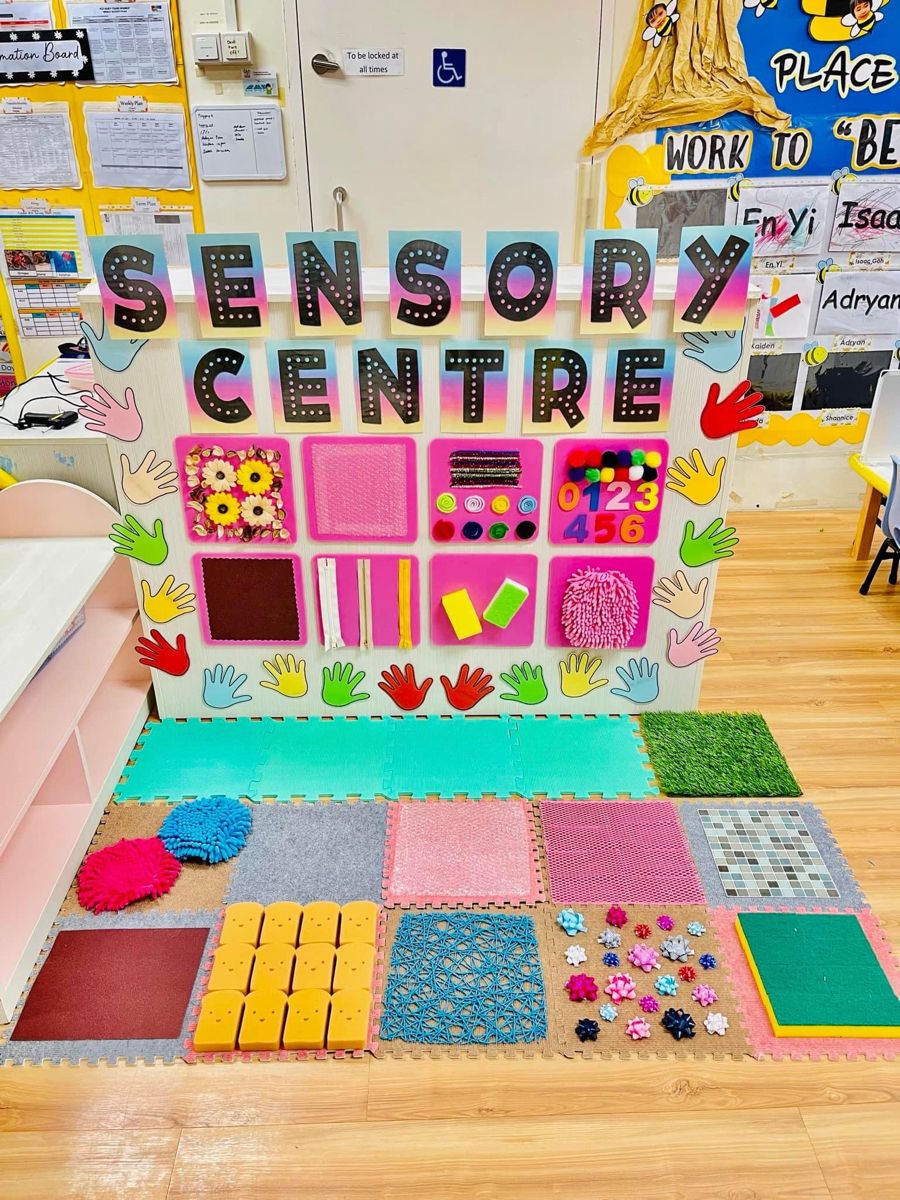
The process of redefining happiness involves listening closely to autistic voices and experiences, allowing definitions of contentment to be co-constructed. Emotional resonance might be found in solitary pursuits like art or literature, or in structured social interactions that honor personal boundaries. Moreover, the pursuit of happiness may require innovative approaches, such as integrating sensory-friendly environments and tailored communication tools.

Success Through the Lens of Entrepreneurship and Innovation
A growing number of individuals on the autism spectrum are pioneering their own pathways via entrepreneurship and innovation, signaling a departure from traditional employment trajectories. Autistic entrepreneurs harness their exceptional talents—attention to detail, pattern recognition, and creative problem-solving—to establish ventures that reflect their passions and values.
This entrepreneurial spirit embodies a redefinition of success that is self-directed and purpose-driven. It offers autonomy, flexible structures, and environments conducive to thriving. Success here is not merely financial gain but the cultivation of a meaningful vocation that harmonizes with the individual’s cognitive and sensory profile.

The Role of Advocacy and Speaking Platforms
Amplifying autistic voices through advocacy and speaking platforms plays a critical role in reshaping societal perceptions of success and happiness. Through storytelling and public discourse, individuals illuminate the richness of autistic experiences and challenge entrenched stereotypes.
These narratives empower others on the spectrum and foster broader societal understanding and acceptance. Platforms that nurture such voices also catalyze policy changes and create community networks that bolster well-being and opportunity. Speaking engagements underscore the importance of dignity, respect, and self-determination as cornerstones of any definition of success.

The Intersection of Mental Health and Emotional Well-being
Mental health intricately interweaves with the pursuit of happiness and success on the autism spectrum. Anxiety, depression, and sensory overload often compound challenges, complicating traditional measures of achievement. Recognizing and addressing these facets through holistic, individualized support is paramount.
Integrated care models emphasizing emotional resilience, coping mechanisms, and environmental modifications can substantially enhance quality of life. Success in this context reflects not only external accomplishments but also internal equilibrium and psychological vitality.
Educational Paradigms Aligned with Strengths
Education remains a critical domain in which the redefinition of success must be manifest. Personalized learning plans that prioritize strengths, interests, and experiential learning foster environments where autistic students can excel on their own terms.
Flexible pacing, alternative assessment methods, and sensory-sensitive classrooms exemplify such approaches. Emphasizing mastery and growth over competition and comparison cultivates confidence and intrinsic motivation. Consequently, educational success is reframed as meaningful engagement rather than mere standardized proficiency.
Community and Relationships: Foundations of Fulfillment
Meaningful relationships and social connection are fundamental to happiness but can be complex terrains for many on the spectrum. Redefining success involves creating spaces that facilitate authentic connections without pressuring conformity to typical social scripts.
Community programs, peer support groups, and inclusive recreational activities that respect diverse social modalities are instrumental. Success here is reflected in autonomy and mutual respect within relational dynamics, prioritizing depth over breadth in social ties.
Ultimately, the journey toward redefining happiness and success in autism is a collective endeavor—one that challenges stereotypes, honors individuality, and broadens societal understanding. By expanding the lenses through which achievement and contentment are viewed, a more inclusive and resonant narrative emerges—one where every individual’s path is valued and celebrated.