Personal hygiene can be likened to a delicate dance—a choreography of routines and rituals that nourish not only the body but also the soul. For individuals with autism, this dance is often an intricate tapestry woven with unique threads of sensory sensitivity, communication challenges, and behavioral nuances. Navigating the landscape of personal care requires more than rote instruction; it demands empathy, creativity, and tailored strategies that honor the distinctive rhythm of each person’s experience.
The Sensory Symphony: Understanding Sensitivities in Hygiene
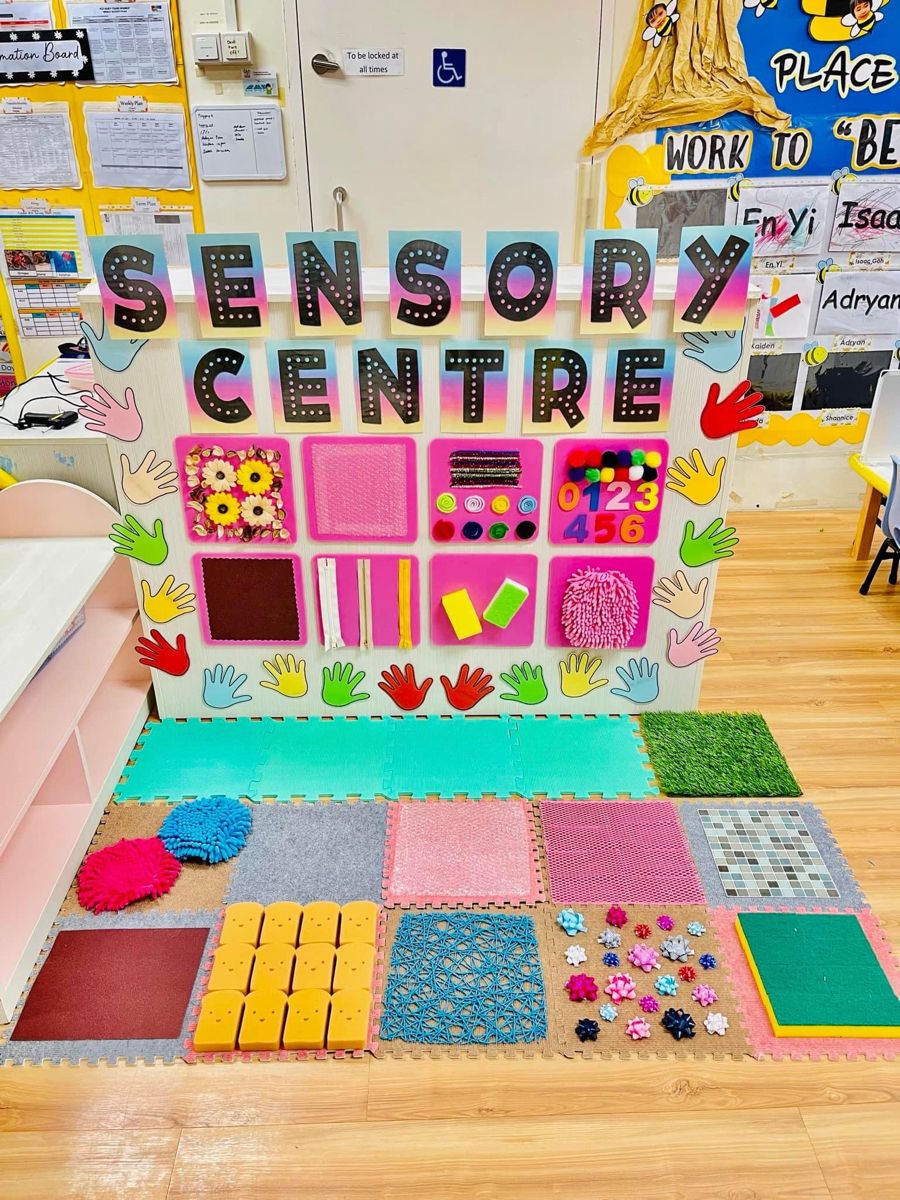
Autism often presents a heightened or diminished sensitivity to sensory stimuli. This sensory processing variation is like a symphony where some instruments play too loudly, while others whisper faintly. For many on the spectrum, the texture of a toothbrush, the sting of soap, or the sound of a running faucet can evoke discomfort or distress. Recognizing these sensory triggers is paramount to crafting a hygiene routine that any individual can engage with willingly.
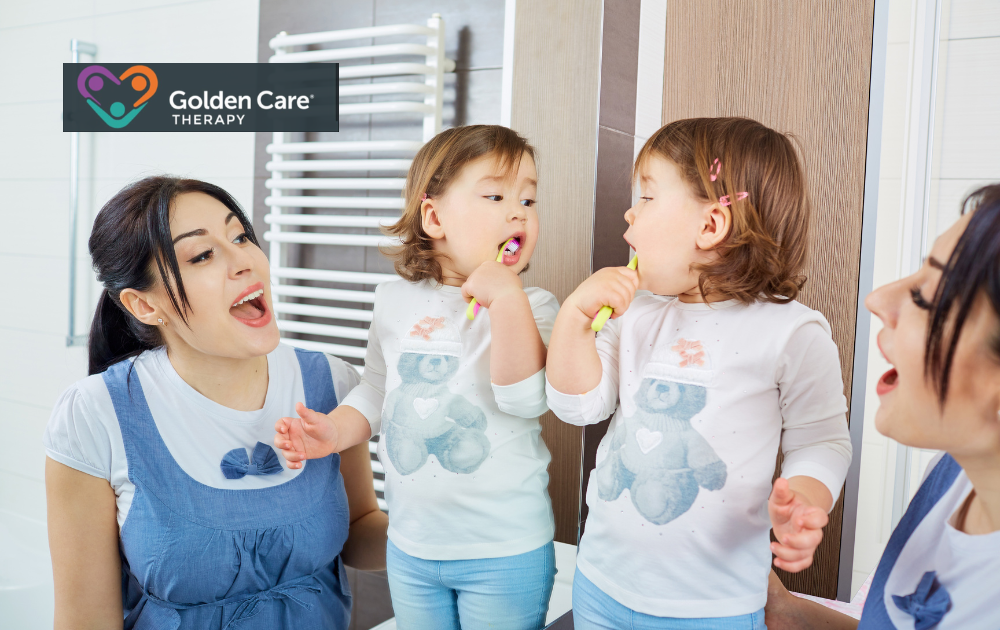
The textures and temperatures involved in hygiene tasks should be approached with nuance. Soft-bristled toothbrushes, unscented or mildly scented soaps, and lukewarm water create a comforting environment. Gradual exposure to new sensations, paired with positive reinforcement, helps desensitize aversions without overwhelming the senses.
The Blueprint of Routine: Structuring Hygiene with Consistency
Routine is the architectural foundation upon which comfort and mastery are built. Personal hygiene becomes less daunting when embedded within a clear and predictable sequence. Visual schedules, step-by-step checklists, and timers serve as tangible blueprints that mitigate anxiety and uncertainty. These tools act as silent guides, whispering the next steps and fostering independence.
Consistency nurtures confidence. When teeth are brushed in the same order every morning and evening, and bathing occurs within a familiar timeframe, the mind anticipates and prepares. This rhythmic predictability transforms personal care from an abstract challenge into a series of achievable tasks.
Communication Bridges: Overcoming Barriers in Personal Care
Communication is the bridge that connects understanding with action. Many individuals with autism communicate differently—through limited spoken language, alternative methods, or non-verbal cues. Personal hygiene strategies must therefore harness a beacon of clarity that transcends words.
Picture this bridge built from visual aids, gestures, and technology such as communication devices or apps. By employing social stories, pictorial step-by-steps, or video modeling, caregivers can illuminate the path to self-care. These visual narratives not only instruct but also empower, breaking down complex hygiene routines into digestible and memorable segments.

Sensory-Friendly Adaptations: Tailoring the Environment
Creating a sanctuary within the bathroom environment can profoundly impact engagement with personal care. The harsh florescent lighting might be replaced with softer, warmer bulbs. Familiar, soothing scents or the deliberate absence of overpowering fragrances minimize sensory overload.
Adaptive equipment—such as easy-grip toothbrushes, soap dispensers with simple mechanisms, or bath seats—can transform mundane tasks into accessible adventures. These tools not only ease physical challenges but also serve as tactile reinforcements that invite participation.
Patience and Positive Reinforcement: The Heartbeat of Progress
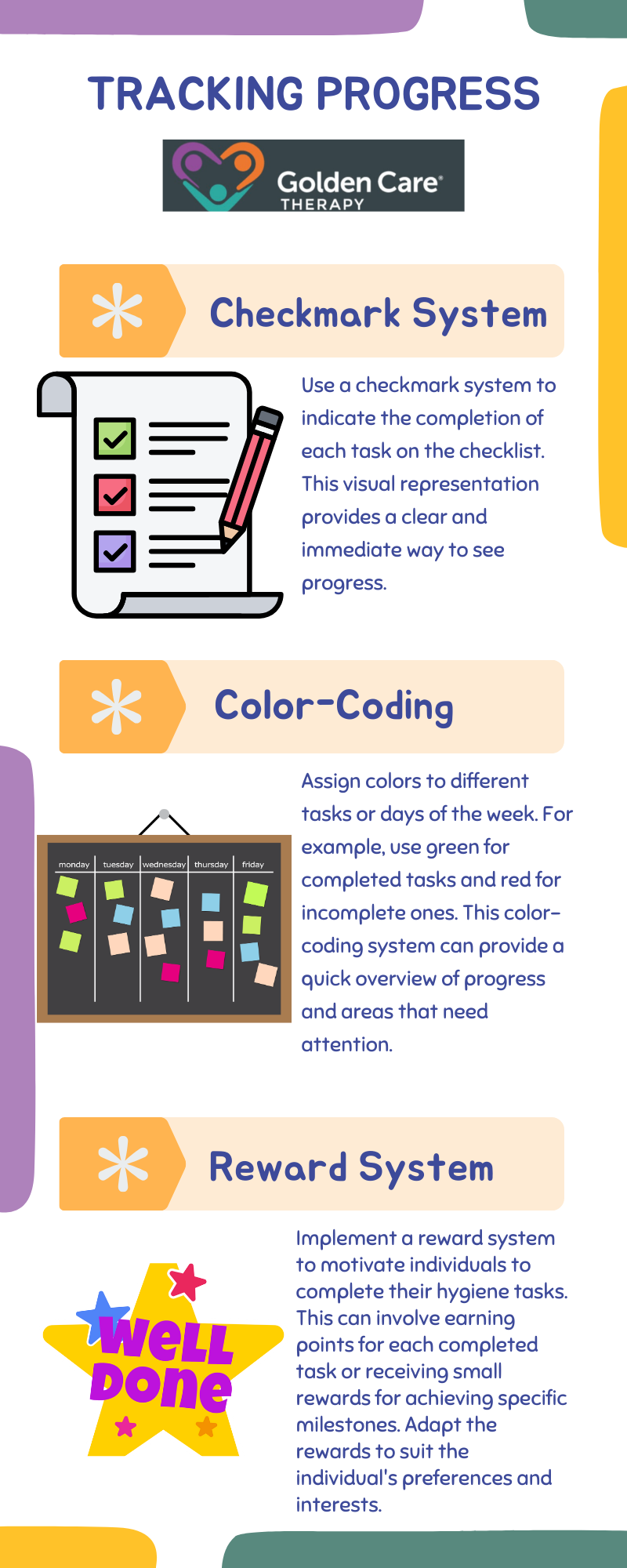
The journey towards independent hygiene is seldom linear. Patience is the soft thrum underlying every step forward. Celebrating small victories—whether it’s washing hands without prompting or choosing favorite hygiene products—creates a reservoir of motivation.
Positive reinforcement, be it verbal praise, token systems, or preferred activities, fuels perseverance. Recognizing the effort behind each attempt honors the individual’s autonomy and fosters self-esteem, transforming hygiene from an obligation into an empowering ritual.
Empathy as the Guiding Light
At the core of effective personal care strategies lies empathy—a compassionate lens through which the unique challenges of autism are viewed not as obstacles, but as variations in human experience. This perspective shifts practices from prescriptive mandates to collaborative explorations.
By listening to individual preferences and apprehensions, caregivers and educators alike can co-create routines that resonate personally and pragmatically. In this light, hygiene becomes not merely a set of tasks but a testament to respect, patience, and understanding.
In the grand mosaic of daily living, personal hygiene is a foundational tile—essential to health, dignity, and social connection. For those on the autism spectrum, unlocking the door to effective hygiene is to invite independence and self-worth into the home. Through sensory accommodations, structured routines, tailored communication, and heartfelt encouragement, this door opens wider every day. The dance of personal care—unique, sometimes challenging, yet profoundly rewarding—embodies not just cleanliness, but the affirmation of individuality and the promise of growth.