In the evolving landscape of education, the integration of learners with autism into mainstream classrooms is not merely a procedural adjustment—it is a profound shift in educational philosophy. Embracing inclusion transcends compliance; it demands a metamorphosis in perspective, fostering environments where neurodivergent students are not just accommodated but celebrated. For mainstream teachers, this journey unlocks a nuanced understanding of autism, replete with strategies that elevate both teaching and learning experiences.
Reimagining Inclusion: Beyond Accommodation
Inclusion must be envisioned as a dynamic, holistic process. It challenges educators to eschew the traditional, deficit-focused paradigms that view autism solely through the lens of limitations. Instead, it invites teachers to recognize a spectrum of strengths, preferences, and challenges that characterize each student’s unique profile. This paradigm shift fuels the cultivation of classrooms resonant with empathy, flexibility, and innovation.
Adopting this mindset encourages educators to move from mere physical inclusion—placing a student in the regular classroom—to substantive inclusion, where learners with autism are active participants in social and academic domains. The classroom transforms into a microcosm of society that values neurodiversity as a catalyst for enriched perspectives and enhanced problem-solving.
Decoding Autism: Nuances for Effective Engagement
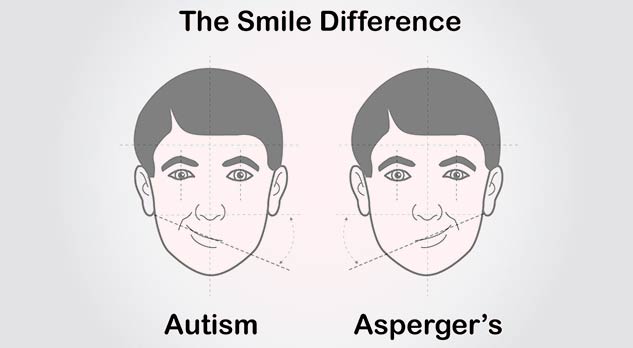
Understanding the hallmarks of autism spectrum disorder goes beyond rote knowledge. For mainstream teachers, it is imperative to grasp the intricate interplay of sensory sensitivities, communication styles, and social nuances. Many learners with autism experience the world differently—sensory stimuli may overwhelm, language may be processed in atypical ways, and social cues can elude recognition.
This recognition prompts educators to craft learning experiences that are not one-size-fits-all but calibrated to individual sensory thresholds and communication preferences. For example, a student who is hypersensitive to auditory input might benefit from noise-cancelling headphones or a quiet corner. Small adjustments become profound invitations for engagement rather than barriers.
Strategic Pedagogy: Tailoring Instructional Approaches
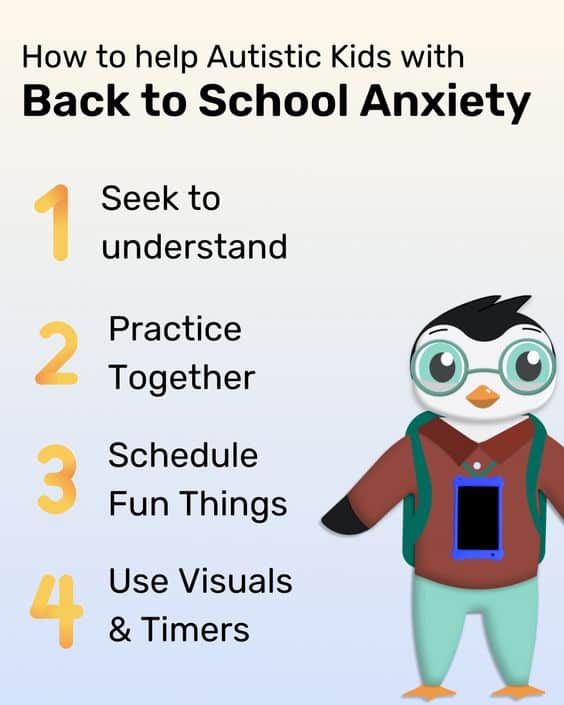
Mainstream teachers can harness a repertoire of evidence-based pedagogical strategies designed to empower autistic learners. These include structured teaching paradigms, visual supports, and social narratives that scaffold understanding and participation.
Structured teaching involves clear, predictable routines that help reduce anxiety and uncertainty. Visual schedules, for instance, create a roadmap for the day, allowing learners to anticipate transitions rather than experience disruption. This preparation eases cognitive load and fosters autonomy in managing classroom activities.
Social stories or social narratives are another powerful tool, providing step-by-step depictions of social situations and expected behaviors. These narratives demystify social interactions and equip learners with scripts for navigating complex social landscapes.

Fostering Social Integration and Peer Connections
Inclusion is intrinsically social. Beyond academic access lies the imperative of nurturing meaningful peer relationships. Mainstream educators play a pivotal role in orchestrating opportunities for social engagement that respect the varied communication styles of autistic students.
Peer-mediated interventions, such as buddy systems or cooperative learning groups, offer scaffolds for social interaction. These frameworks provide neurotypical peers with guidance on how to engage, listen, and support classmates with autism, fostering an inclusive classroom culture where differences are understood rather than stigmatized.
Teachers also benefit from establishing clear social expectations and facilitating explicit teaching of social skills, which may otherwise remain tacit for neurotypical students. Cultivating an atmosphere where empathy is modeled and rewarded engenders a community spirit vital for authentic inclusion.
Environmental Considerations: Crafting Sensory-Friendly Spaces
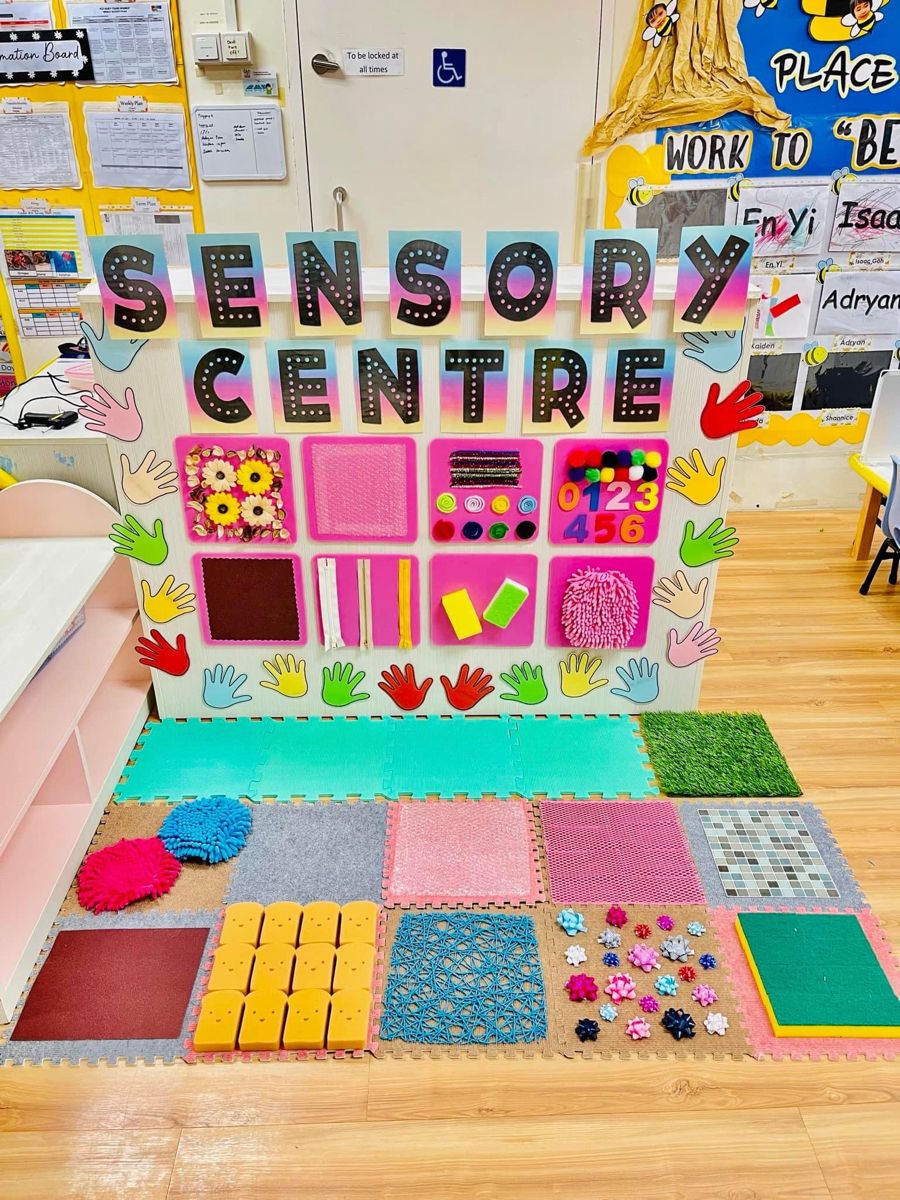
Many autistic learners experience heightened sensitivity to environmental stimuli, which can significantly impede concentration and comfort. Mainstream teachers can spearhead modifications that attenuate sensory overload, promoting sustained engagement.
Implementing flexible seating arrangements, controlling ambient noise, and regulating lighting are practical strategies. For example, dimming fluorescent lights or providing natural light alternatives can reduce visual stress. Sensory-friendly corners equipped with calming tools offer refuge when students need a momentary respite.
Moreover, predictable classroom layouts facilitate navigation and reduce anxiety, allowing learners to anticipate where resources and activities are located. Such thoughtful environmental design embodies the principle that spaces adapt to students, not the reverse.
Collaborative Partnerships: Engaging Families and Specialists
Inclusion flourishes through collaboration. Mainstream educators must cultivate symbiotic relationships with families, therapists, and specialists to co-create supportive learning trajectories. Parents offer invaluable insights into their child’s behaviors, triggers, and motivators, enriching the teacher’s understanding beyond the classroom context.
Similarly, leveraging expertise from occupational therapists, speech-language pathologists, and behavior analysts equips teachers with specialized strategies tailored to individual profiles. This multidisciplinary synergy ensures interventions are coherent and reinforces progress across settings.
Transparent communication channels foster trust and shared responsibility, aligning school efforts with home routines. A cohesive support network amplifies the likelihood of success and fortifies the student’s reservoir of resilience.
The Imperative of Professional Development and Reflective Practice
Astute teachers recognize that proficiency in autism inclusion is an evolving competency. Professional development opportunities provide avenues to assimilate current research, learn innovative methodologies, and refine attitudes.
Reflective practice cultivates metacognition about one’s teaching efficacy and biases. Engaging in peer consultations, mentoring, and self-assessment enables educators to recalibrate strategies proactively, ensuring responsiveness to the ever-changing needs of their students.
Instituting inclusive pedagogies is not a static achievement but a continuous journey demanding perseverance, curiosity, and humility.
The education arena is witnessing a transformative epoch where inclusion is not an adjunct goal but a foundational ethos. For mainstream teachers, embracing learners with autism redefines notions of teaching, learning, and community. By shifting perspectives—from viewing autism through a deficit model to recognizing rich neurodiversity—teachers unlock pedagogical potential that benefits entire classrooms.
Crafting environments rooted in empathy, flexibility, and collaboration establishes pathways where all students thrive. The promise of true inclusion lies not just in integrating learners with autism but in celebrating their presence as an indispensable thread in the fabric of educational excellence.