Autism and intellectual disability are two distinct neurodevelopmental conditions that frequently converge in clinical settings, yet they maintain separate diagnostic criteria, manifestations, and implications for care. Understanding their overlaps and differences is crucial for educators, healthcare professionals, caregivers, and individuals navigating these complex landscapes. This article delves deeply into the nuances of both conditions, offering a comprehensive exploration that illuminates their intersection and divergence through detailed narrative and illustrative resources.
The Definitional Framework of Autism Spectrum Disorder
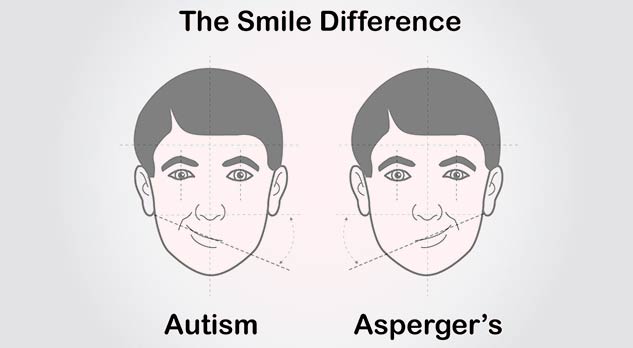
Autism Spectrum Disorder (ASD) is characterized primarily by challenges in social communication and interaction, alongside restricted, repetitive patterns of behavior, interests, or activities. Unlike many other conditions, autism presents on a continuum—hence the term “spectrum”—reflecting wide variability in severity and functional impact. From nonverbal individuals requiring substantial support to highly articulate persons with nuanced social difficulties, the spectrum is remarkably broad.
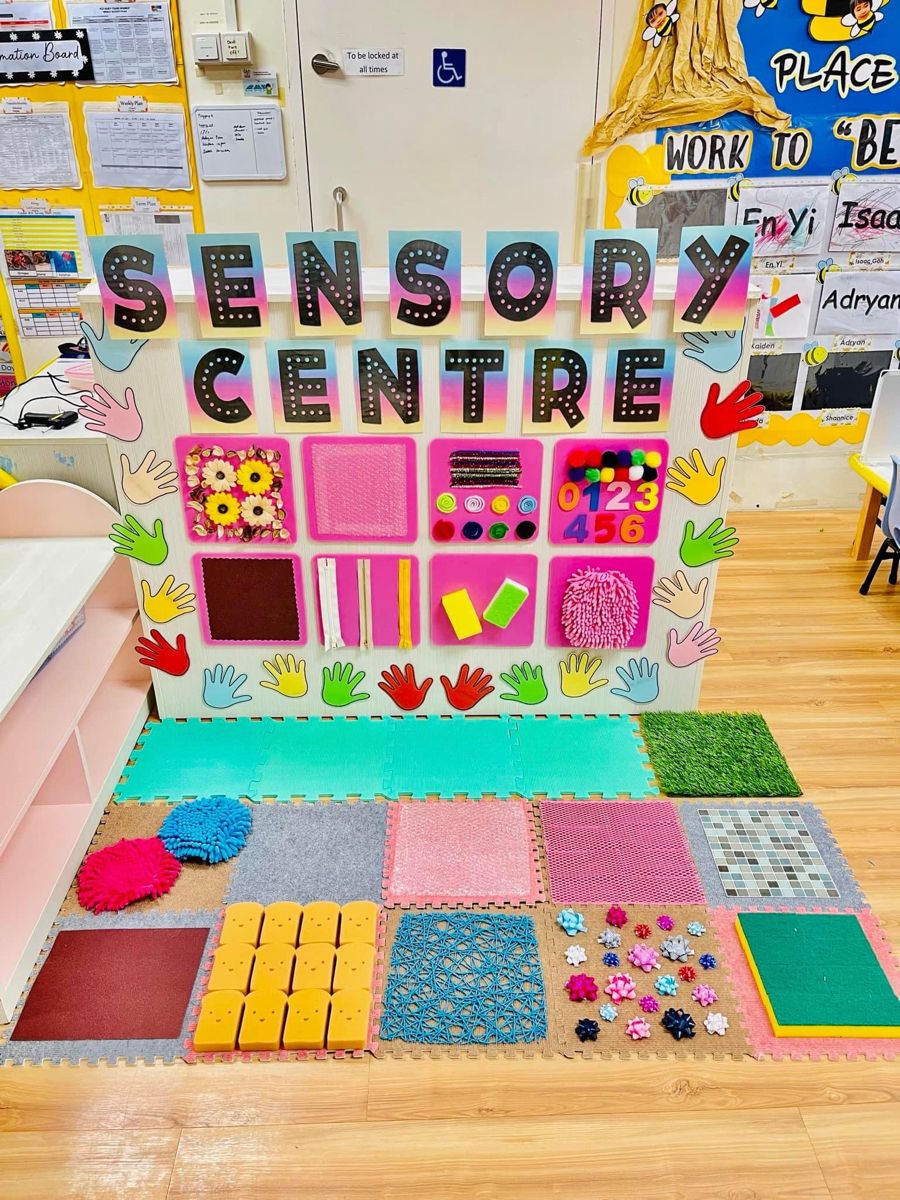
Importantly, autism is not inherently tied to intellectual capacity. While some individuals with autism may exhibit cognitive delays, others possess average or above-average intelligence. The distinctiveness of ASD lies in its core social and behavioral features rather than cognitive ability alone. Behavioral idiosyncrasies, such as intense fixation on specific topics, sensory sensitivities, and unique communication styles, underscore the unique profiles of people with autism.
Intellectual Disability: An Overview
Intellectual Disability (ID), formerly known as mental retardation, is defined by significant limitations in both intellectual functioning and adaptive behavior. Intellectual functioning relates to general mental capacity, including learning, reasoning, and problem-solving. Adaptive behavior encompasses the conceptual, social, and practical skills necessary for everyday life.
The defining feature of intellectual disability is a substantially below-average IQ—typically an IQ score at or below 70—that adversely affects an individual’s ability to function independently. The degree of support required varies from intermittent assistance to pervasive care, often influenced by severity as well as comorbid conditions.

Shared Characteristics and Diagnostic Overlaps
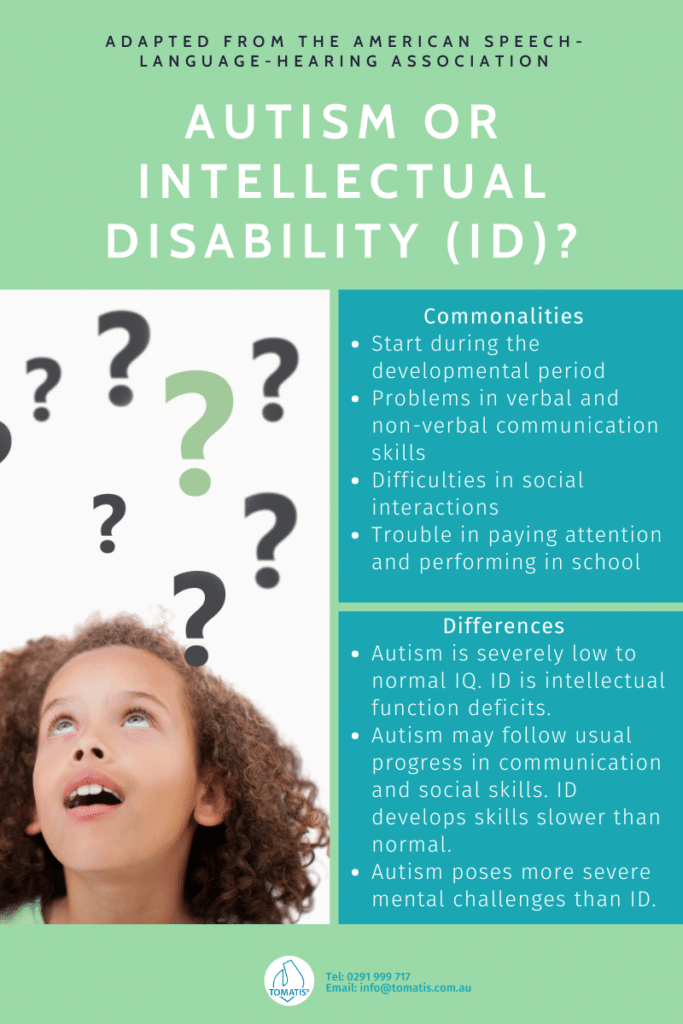
The diagnostic boundaries between autism and intellectual disability sometimes blur, leading to challenges in differential diagnosis. A notable proportion of individuals with autism also have co-occurring intellectual disability, resulting in a complex clinical profile where symptoms intermingle.
Both conditions may exhibit delays in developmental milestones and difficulties in communication, although the underpinnings differ. For example, a person with ASD might have trouble with pragmatic language and social reciprocity, while an individual with intellectual disability may struggle broadly with cognitive processing and adaptive reasoning. The co-presentation sometimes masks distinguishing traits, necessitating comprehensive evaluations by specialized clinicians to unravel the intricacies.
Contrasting Cognitive and Behavioral Profiles
Cognitive functioning manifests differently in both conditions. In intellectual disability, cognitive limitations are global and persistent, impacting multiple domains of intellectual ability. Conversely, many individuals with autism display a unique neurocognitive profile where certain areas, such as memory or visual-spatial skills, can be strengths despite social or communication impairments.
Behavioral patterns also serve as a departure point between the two. Repetitive behaviors, insistence on sameness, and intense interests are hallmark features of autism, seldom present in the same form within intellectual disability alone. Meanwhile, individuals with intellectual disability typically experience generalized learning difficulties without the specialized behavioral phenotype observed in autism.
Educational and Therapeutic Approaches
Tailored educational interventions are paramount. Children and adults with autism benefit from therapies that emphasize social skills, communication development, and sensory integration. Applied Behavior Analysis (ABA), speech-language therapy, and occupational therapy remain cornerstones of ASD intervention, focusing on individual strengths and challenges.
Intellectual disability demands strategies centered on functional academics, life skills, and adaptive behavior training. Support must extend beyond academics to encompass daily living activities, social participation, and vocational readiness. Multi-disciplinary collaboration enhances outcomes by addressing medical, psychological, and social dimensions.
Impact on Families and Caregivers
Families navigating these conditions face multifaceted challenges. While overlap exists, the emotional and practical experiences differ in significant ways. The unpredictability and social isolation frequently associated with autism can cause substantial stress, whereas intellectual disability often presents long-term care demands and advocacy needs.
Support networks, respite care, and counseling are vital resources for families, enabling sustainable caregiving. Awareness of the distinct yet sometimes overlapping trajectories of autism and intellectual disability facilitates empathy, appropriate resource allocation, and informed decision-making.
Emerging Research and Future Directions
The landscape of autism and intellectual disability research continuously evolves, uncovering genetic, neurological, and environmental factors contributing to these conditions. Advances in neuroimaging and molecular biology offer promising insights into their etiology and heterogeneous presentations.
Personalized medicine and neurodiversity paradigms are reshaping interventions, shifting the focus towards empowerment and respect for individual differences rather than mere symptom reduction. Emerging technologies, such as augmented communication devices and virtual reality, are enhancing therapeutic engagement and accessibility.
In conclusion, while autism and intellectual disability share certain clinical features and can coexist, their etiologies, manifestations, and required supports differ profoundly. Recognizing these distinctions—and the subtle ways they intersect—is essential for fostering inclusive environments and optimizing quality of life. Through comprehensive understanding, collaborative care, and continued research, society can move closer to addressing the complexities inherent in these neurodevelopmental conditions.