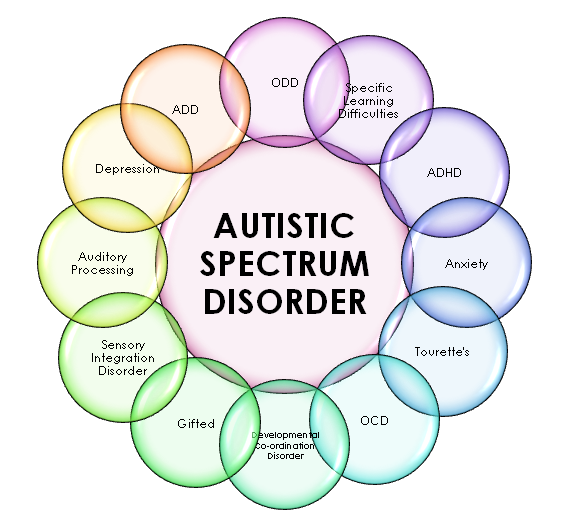
In the labyrinth of modern employment, where conventional retention strategies often falter, neurodivergent talent—particularly individuals with autism—offers a reservoir of untapped potential. The intersection of autism and job retention is not merely a niche concern but a pivotal frontier in fostering inclusive workplaces. Organizations that recognize and adapt to the unique needs of autistic employees not only enhance their retention rates but also cultivate a culture of innovation and diversity. This article explores the multifaceted strategies that can transform job retention for autistic individuals, ensuring long-term success for both employees and employers.
The journey begins with understanding the neurodivergent experience in the workplace. Autism spectrum disorder (ASD) manifests in a spectrum of strengths and challenges, from exceptional attention to detail and pattern recognition to difficulties with social communication and sensory sensitivities. These traits, when harnessed effectively, can drive productivity and creativity. However, the traditional office environment often fails to accommodate these differences, leading to frustration, burnout, and ultimately, high turnover rates. To bridge this gap, employers must adopt a nuanced approach that balances structure with flexibility, ensuring that autistic employees can thrive without compromising their well-being.
The Role of Sensory-Friendly Workspaces in Retention
Sensory sensitivities are a hallmark of autism, and the modern office—with its fluorescent lighting, open floor plans, and constant auditory stimuli—can be a minefield of discomfort. For autistic employees, a workspace that minimizes sensory overload is not a luxury but a necessity. Employers can implement several adjustments to create a more accommodating environment. Noise-canceling headphones, quiet rooms, and adjustable lighting are simple yet effective solutions. Additionally, flexible seating arrangements, such as the option to work from home or in a private pod, can provide much-needed respite from overwhelming stimuli. These changes not only reduce stress but also signal a commitment to inclusivity, fostering loyalty and long-term engagement.
Beyond physical adjustments, employers should consider the psychological environment. Autistic employees often thrive in structured, predictable settings where expectations are clearly communicated. Providing detailed job descriptions, step-by-step workflows, and advance notice of changes can alleviate anxiety and enhance performance. Regular check-ins, rather than impromptu meetings, allow employees to prepare mentally and contribute more effectively. By prioritizing sensory and psychological comfort, organizations can create a foundation for sustained retention.
Customized Onboarding and Training Programs
The onboarding process is a critical juncture where autistic employees either integrate smoothly or struggle to acclimate. Traditional onboarding often relies on rapid socialization and implicit learning, which can be overwhelming for neurodivergent individuals. A tailored approach, however, can set the stage for long-term success. Structured training programs with clear, written instructions and visual aids can demystify expectations and reduce uncertainty. Pairing new hires with a designated mentor—someone who understands their strengths and challenges—can provide a steady source of guidance without the pressure of unstructured social interactions.
Moreover, employers should recognize that learning styles vary widely. For autistic employees, hands-on training or e-learning modules may be more effective than traditional classroom-style instruction. Breaking down complex tasks into smaller, manageable steps and allowing ample time for questions can prevent feelings of inadequacy. By investing in customized onboarding, organizations not only demonstrate their commitment to diversity but also equip autistic employees with the tools they need to excel.
Flexible Work Arrangements: A Non-Negotiable for Retention
The rigid 9-to-5 schedule is a relic of an era that failed to account for the diverse needs of the workforce. For autistic employees, flexibility is not a perk but a lifeline. Remote work, staggered hours, and compressed workweeks can accommodate sensory preferences, reduce commuting stress, and align work with peak productivity times. Employers who embrace flexibility signal trust and respect for their employees’ individual rhythms, which in turn fosters loyalty and retention.
However, flexibility must be paired with clear communication and accountability. Establishing core hours for team collaboration, using project management tools to track progress, and setting measurable goals ensure that remote work does not devolve into isolation or inefficiency. For autistic employees, the ability to work asynchronously—without the pressure of constant real-time interaction—can unlock their full potential. By reimagining work arrangements, organizations can create a sustainable model that benefits all employees.
Mentorship and Peer Support Networks
Isolation is a silent threat to job retention, particularly for autistic employees who may struggle with social nuances. Mentorship programs and peer support networks can bridge this gap by fostering connections in a structured, low-pressure environment. A mentor can provide career guidance, while peer groups offer a safe space to share experiences and strategies for navigating workplace challenges. These networks not only combat loneliness but also empower autistic employees to advocate for their needs and contribute to a culture of mutual support.

Employers should also consider affinity groups or employee resource networks dedicated to neurodiversity. These initiatives can raise awareness, educate colleagues, and create opportunities for social engagement without the pressure of forced small talk. By cultivating a sense of belonging, organizations can significantly improve retention rates for autistic employees.
Performance Management: Redefining Success Metrics
Traditional performance reviews often prioritize subjective assessments of “fit” and “cultural alignment,” metrics that can disadvantage neurodivergent employees. To foster retention, employers must redefine success in terms of tangible outcomes rather than perceived social competence. Clear, objective key performance indicators (KPIs) allow autistic employees to focus on their strengths while receiving constructive feedback tailored to their needs.
Regular, structured feedback sessions—rather than annual reviews—can provide continuous guidance and prevent misunderstandings. Employers should also train managers to recognize the signs of burnout or disengagement in autistic employees, such as withdrawal or decreased productivity. Early intervention can address issues before they escalate, ensuring that employees feel valued and supported. By aligning performance management with the unique needs of autistic employees, organizations can create a fair and motivating environment.
The Power of Accommodations: Legal and Ethical Imperatives
Accommodations are not merely optional gestures of goodwill; they are legal and ethical obligations under frameworks like the Americans with Disabilities Act (ADA). However, the proactive provision of accommodations—beyond what is legally required—can set an organization apart as a leader in neurodiversity inclusion. Simple adjustments, such as providing written instructions instead of verbal ones, allowing the use of noise-canceling devices, or offering flexible break times, can make a profound difference in an autistic employee’s ability to perform.
Employers should also consider more substantial accommodations, such as job coaching or assistive technology, to remove barriers to success. The key is to approach accommodations as collaborative solutions rather than one-size-fits-all fixes. By involving autistic employees in the process, organizations can ensure that their needs are met in a way that aligns with their strengths and preferences. This collaborative approach not only enhances retention but also demonstrates a commitment to equity and inclusion.
Building a Neurodiverse-Inclusive Culture
Retention strategies extend beyond individual accommodations to the very culture of an organization. A neurodiverse-inclusive culture is one where differences are celebrated, and all employees are empowered to contribute their unique perspectives. Leadership plays a pivotal role in shaping this culture by modeling inclusive behaviors, such as active listening and open communication. Training programs on neurodiversity can dispel myths and foster empathy among colleagues, creating a more welcoming environment for autistic employees.
Moreover, organizations should actively seek out and promote autistic talent in leadership roles. Representation at all levels ensures that the needs and strengths of neurodivergent employees are reflected in decision-making processes. By embedding neurodiversity into the organizational DNA, companies can create a culture where autistic employees not only stay but thrive.
Measuring Success: The Impact on Retention and Beyond
The ultimate measure of a retention strategy’s success is its ability to foster long-term engagement and productivity. For autistic employees, retention is not just about staying in a job but about feeling valued, understood, and empowered to grow. Employers can track retention rates, employee satisfaction surveys, and performance metrics to gauge the effectiveness of their strategies. However, success should also be measured qualitatively—through the stories of autistic employees who have found fulfillment in their roles and the innovations they have contributed.
Beyond retention, a neurodiverse workforce can drive organizational success in unexpected ways. Autistic employees often excel in roles that require precision, analytical thinking, and creative problem-solving. By retaining this talent, organizations gain a competitive edge, fostering innovation and adaptability in an ever-changing landscape. The benefits of inclusive retention strategies extend far beyond the individual, shaping the future of work itself.
The path to long-term success in job retention for autistic employees is not a linear one but a dynamic, evolving process. It requires a commitment to understanding, adapting, and innovating—qualities that define the most forward-thinking organizations. By embracing sensory-friendly workspaces, customized onboarding, flexible arrangements, mentorship, and a culture of inclusivity, employers can unlock the full potential of neurodivergent talent. In doing so, they not only retain valuable employees but also cultivate a workplace where everyone can thrive. The future of work is not just diverse; it is inclusive, and the strategies outlined here are the building blocks of that future.