The kitchen is more than a place of culinary creation—it is a symphony of sensory experiences, a battleground of routines, and a canvas where the complexities of daily life unfold. For families navigating the nuances of autism, the kitchen can feel like a labyrinth of overwhelming stimuli, rigid expectations, and unspoken rules. Yet, within this space lies an untapped potential: a sanctuary of order, a stage for empowerment, and a gateway to connection. By reimagining kitchen organization through the lens of autism, we don’t just simplify mealtime—we transform it into a harmonious ritual, where chaos yields to clarity, and stress dissolves into serenity.
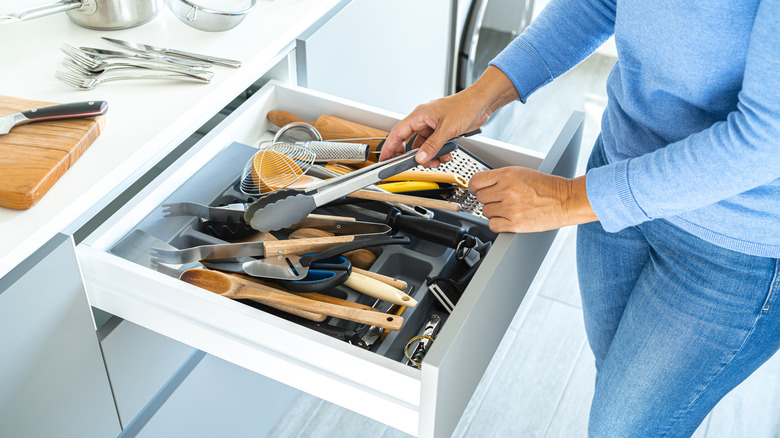
Imagine the kitchen as a living organism, its drawers and cabinets pulsating with energy, each item vying for attention like stars in a crowded galaxy. For a child with autism, this celestial chaos can be paralyzing. Labels aren’t just words—they are lifelines. Color-coded bins aren’t just storage—they are a visual language. The act of organizing becomes a bridge between the abstract and the tangible, a way to impose order on a world that often feels unpredictable. When every utensil has its place, and every ingredient is accounted for, the kitchen ceases to be a source of anxiety and becomes a space of control.

The Kitchen as a Sensory Landscape: Navigating Overload with Precision
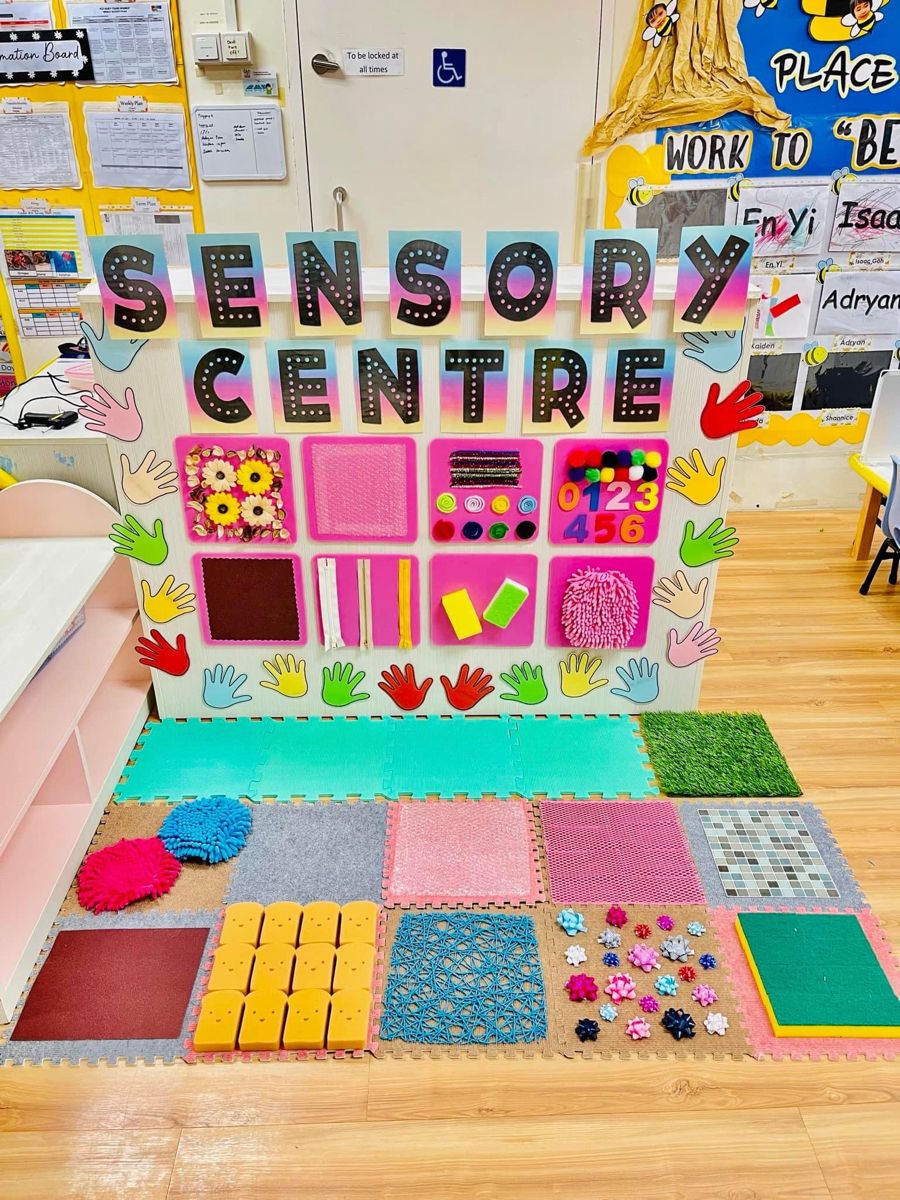
Sensory processing differences shape how autistic individuals interact with their environment. The kitchen, with its cacophony of clanging pots, sizzling pans, and pungent aromas, can feel like a sensory onslaught. Yet, organization offers a way to modulate these experiences. Soft-close drawers muffle the thunder of slamming compartments. Clear, labeled containers transform the visual clutter of open shelves into a structured tableau. Even the choice of materials matters—matte finishes absorb light rather than reflecting it in disorienting bursts, while textured surfaces provide grounding tactile feedback.
Consider the humble spice rack. To the neurotypical eye, it’s a functional necessity. To an autistic child, it might resemble a towering monument to chaos. But when spices are arranged alphabetically, their labels facing outward, the rack becomes a map—a guide through the sensory wilderness. The act of selecting a spice isn’t a gamble; it’s a deliberate choice, a small victory in a world of uncertainty. This is the power of organization: it doesn’t erase the sensory world; it reframes it into something manageable.
Routines as Anchors: The Ritual of Mealtime Preparation
Autism thrives on predictability. A child who struggles with transitions may find solace in the ritual of meal prep, where each step follows a familiar sequence. The kitchen, when organized with intention, becomes a stage for these rituals. A designated “prep zone” with pre-measured ingredients eliminates the stress of last-minute decisions. A wall-mounted chart with visual cues—peeling, chopping, stirring—guides the process like a conductor leading an orchestra. Even the order in which tasks are performed can be a source of comfort: first the vegetables, then the protein, finally the sauce.
But routines aren’t just about efficiency; they’re about agency. When a child knows exactly what to expect, they’re more likely to engage. The kitchen transforms from a place of obligation into a space of participation. A simple task like washing vegetables becomes an opportunity for mastery, a chance to contribute to the family’s well-being. This isn’t just about making mealtime easier—it’s about fostering independence, one organized step at a time.
The Power of Visual Cues: A Language Without Words
Language can be a barrier, but visual cues transcend it. For autistic individuals, images, icons, and color-coding speak louder than words ever could. A picture of a fork next to the utensil drawer tells a child where to find their spoon. A red bin labeled “snacks” signals safety and predictability. These cues aren’t just practical—they’re empowering. They reduce the cognitive load of decision-making, freeing mental energy for the joy of cooking.
Take the refrigerator, for example. An organized fridge isn’t just neat—it’s a roadmap. Clear bins group like items together: dairy in one quadrant, fruits in another, leftovers in a designated zone. Labels with pictures (a carton of milk, a bunch of bananas) remove ambiguity. The result? A space that feels less like a maze and more like a well-choreographed dance. For a child who struggles with verbal instructions, these visual guides are a lifeline—a way to navigate the kitchen without the pressure of language.
Beyond the Kitchen: The Ripple Effect of Organization
The benefits of an organized kitchen extend far beyond mealtime. When a child learns to navigate the kitchen with confidence, they carry those skills into other areas of life. The ability to follow a sequence, to recognize patterns, to take pride in a task well done—these are life skills, honed in the heart of the home. An organized kitchen becomes a metaphor for an organized life: a place where chaos is tamed, where routines provide stability, and where every item has its place.
But organization isn’t just about the physical space—it’s about the emotional space, too. A cluttered kitchen can feel like a cluttered mind. An organized one? It’s a sanctuary. It’s a place where a child can retreat, where they can feel in control, where they can find solace in the familiar. For parents, it’s a tool for reducing stress, for fostering independence, for creating moments of connection. It’s not just about making mealtime easier—it’s about making life easier.
The Art of Adaptation: Tailoring Organization to Individual Needs
No two autistic individuals are alike, and neither are their organizational needs. What works for one child might overwhelm another. The key is flexibility. Modular storage systems allow for adjustments as needs evolve. Open shelving might work for some, while closed cabinets provide comfort for others. The goal isn’t to impose a one-size-fits-all solution but to create a system that adapts to the individual.
Consider the child who thrives on routine but struggles with fine motor skills. A pegboard with utensils hung at eye level eliminates the need to dig through drawers. For the child who seeks sensory input, textured mats under bowls provide tactile feedback. The kitchen becomes a customizable space, a reflection of the child’s unique needs and preferences. This isn’t just organization—it’s personalization, a way to make the kitchen feel like a second skin.
A Final Thought: The Kitchen as a Canvas of Possibility
The kitchen is more than a place to cook—it’s a place to grow. When we organize it with intention, we’re not just tidying up; we’re creating a foundation for independence, for confidence, for joy. We’re turning a space of potential stress into a sanctuary of possibility. For families navigating autism, this transformation is more than practical—it’s profound. It’s a reminder that even in the most mundane tasks, there’s room for beauty, for connection, for growth.
So the next time you open a cabinet or pull out a drawer, think of it as more than storage. Think of it as an act of care, a step toward harmony, a way to make the world a little more understandable. The kitchen isn’t just a room—it’s a stage, and with the right organization, it can be a place where everyone, regardless of neurotype, finds their rhythm.