
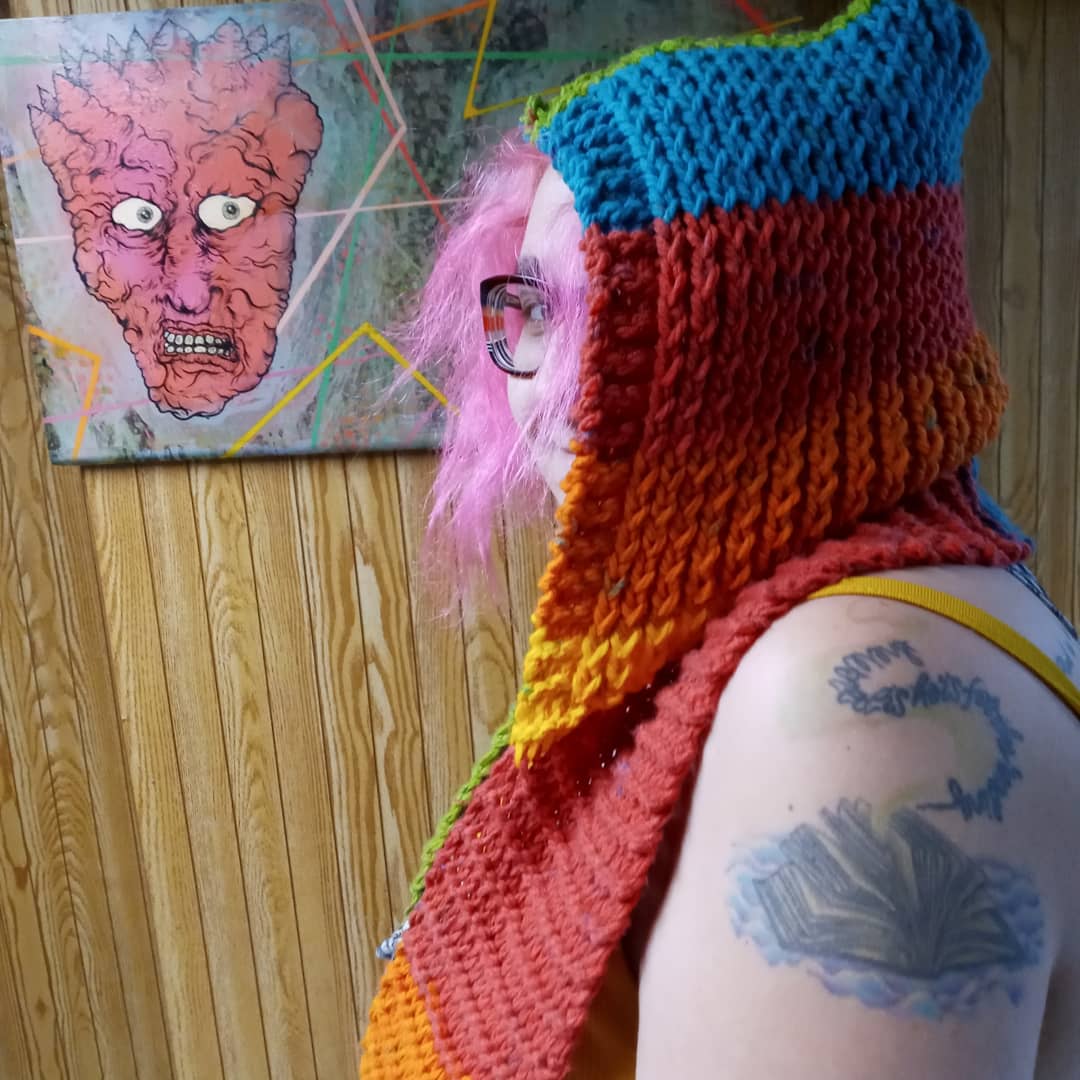
In the quiet rhythm of clicking needles, the whisper of yarn sliding through fingers, and the slow unfurling of a pattern into something tangible, lies a sanctuary for many autistic minds. Knitting is more than a hobby; it is a tactile symphony, a rhythmic incantation that soothes the overstimulated and ignites the imagination of those who perceive the world in rich, sensory detail. For autistic individuals, this craft is not merely a pastime—it is a lifeline, a form of self-expression that transcends the limitations of verbal communication. It is a dance of precision and patience, where every stitch is a deliberate step toward calm, and every completed row is a testament to perseverance. Knitting becomes a sanctuary where the chaos of the external world softens into a gentle hum, allowing the mind to find its footing in the familiar cadence of repetition.
Imagine the world as a cacophony of colors, sounds, and sensations—each one overwhelming, each one demanding attention. For many autistic individuals, navigating such a world can feel like standing in the center of a storm, where the wind howls with unrelenting force. Knitting offers a respite from this sensory deluge. The repetitive motion of the needles, the predictable texture of the yarn, and the methodical progression of a pattern create a cocoon of predictability. It is a controlled environment where the rules are clear, the outcomes are visible, and the process is both soothing and rewarding. In this space, the autistic mind finds solace in the familiar, transforming what might seem like a mundane activity into a profound act of self-regulation.
The Alchemy of Repetition: Crafting Calm in a Chaotic World
Repetition is the heartbeat of knitting, and for many autistic individuals, this rhythm is not just comforting—it is essential. The act of knitting is a form of stimming, a self-stimulatory behavior that provides sensory input and emotional regulation. When the world feels too loud, too bright, or too unpredictable, the steady clack of needles becomes a metronome for the mind, grounding it in the present moment. Each stitch is a small victory, a tangible proof that order can be imposed on the chaos. This is not mere distraction; it is a form of active meditation, where the mind is fully engaged yet simultaneously at ease.
The beauty of knitting lies in its duality—it is both an escape and an engagement. While it offers a retreat from overwhelming stimuli, it also demands focus, channeling the mind’s energy into a productive endeavor. The process of selecting yarn, deciphering patterns, and executing stitches requires a level of concentration that can quiet the noise of intrusive thoughts or external distractions. For autistic individuals, this focus is not a burden but a balm. It is a way to harness the mind’s intensity, directing it toward something creative and tangible. In this way, knitting becomes a bridge between the internal and external worlds, a means of translating abstract emotions into something concrete and beautiful.

The Language of Stitches: Communicating Without Words
For those who struggle with verbal communication, knitting becomes a silent language, a way to express thoughts and emotions that might otherwise remain unspoken. The patterns they create are not just fabric; they are narratives, each stitch a word in a story only they fully understand. A scarf might represent a journey through seasons of change, while a blanket could symbolize the warmth of security and love. In this way, knitting transcends its physical form, becoming a medium for self-expression and identity. It allows autistic individuals to communicate their inner worlds in a way that feels safe and controlled, free from the pressure of social expectations or the fear of misunderstanding.
Moreover, the tactile nature of knitting provides a unique form of feedback that can be deeply validating. The weight of the yarn in the hands, the texture against the skin, and the gradual transformation of loose strands into a structured piece all serve as tangible proof of effort and achievement. This sensory feedback loop reinforces a sense of competence and self-worth, qualities that are often elusive in a world that prioritizes speed and efficiency over patience and deliberation. For autistic individuals, who may face challenges in traditional academic or social settings, knitting offers a tangible measure of success—something they can hold, see, and admire.
Community and Connection: The Unspoken Bond of Knitters
While knitting is often a solitary pursuit, it also fosters a sense of community among those who share the craft. Online forums, local knitting circles, and social media groups provide spaces where autistic individuals can connect with others who understand their experiences. These communities are not just about sharing patterns or techniques; they are about sharing stories, struggles, and triumphs. The act of knitting becomes a shared language, a way to bond over mutual interests and experiences. For many autistic individuals, these connections are invaluable, offering a sense of belonging that might be difficult to find elsewhere.
In these communities, knitting is more than a hobby—it is a shared identity. It is a way to celebrate differences, to embrace the unique perspectives that autistic minds bring to the craft. Whether it’s through the intricate designs of a complex pattern or the simplicity of a basic scarf, each piece tells a story. And in sharing these stories, autistic knitters find not only camaraderie but also a sense of purpose. They are not just creating fabric; they are weaving connections, building bridges between themselves and others who see the world through a similar lens.

The Therapeutic Tapestry: Knitting as a Tool for Mental Well-being
The therapeutic benefits of knitting are well-documented, but for autistic individuals, these benefits are amplified. The craft offers a rare combination of sensory input and cognitive engagement, making it an ideal tool for emotional regulation. The repetitive motion of knitting can induce a state of flow, where the mind is fully immersed in the task at hand, temporarily freeing it from anxiety or distress. This flow state is not just a fleeting escape; it is a practice in mindfulness, a way to cultivate presence and awareness in a world that often feels overwhelming.
Additionally, knitting can serve as a form of occupational therapy, helping to develop fine motor skills, hand-eye coordination, and problem-solving abilities. For autistic individuals who may struggle with these skills, the craft provides a gentle, enjoyable way to practice and improve. The act of following a pattern, counting stitches, and correcting mistakes teaches patience, perseverance, and attention to detail—qualities that extend far beyond the craft itself. In this way, knitting becomes a metaphor for life, a reminder that progress is often slow but always possible.
From Skein to Soul: The Transformative Power of Knitting
Knitting is more than a hobby; it is a transformative experience that reshapes the way autistic individuals interact with the world. It is a craft that speaks to the soul, offering a sanctuary of calm, a language of expression, and a community of support. For those who find solace in its rhythmic embrace, knitting is not just a pastime—it is a lifeline, a way to navigate the complexities of life with grace and creativity. It is a testament to the power of repetition, the beauty of patience, and the resilience of the human spirit.
In a world that often feels too fast, too loud, and too demanding, knitting offers a counterbalance—a slow, deliberate, and deeply rewarding practice that honors the unique ways autistic minds perceive and interact with the world. It is a reminder that there is beauty in the details, strength in the stitches, and peace in the process. For autistic individuals, knitting is not just a hobby; it is a way of life, a craft that weaves together the threads of sensory comfort, self-expression, and connection into something truly extraordinary.












