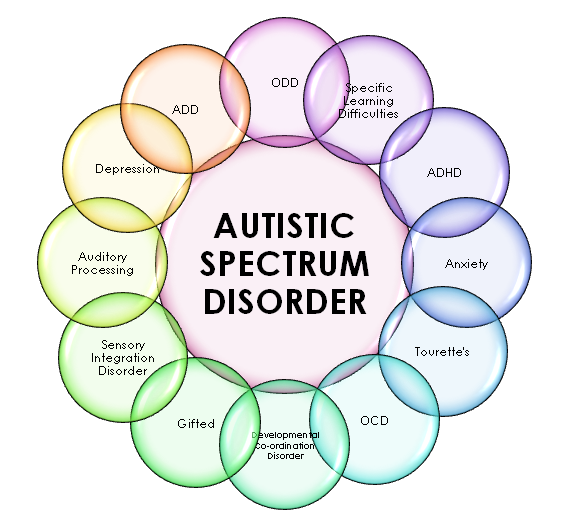
Education has traditionally embraced a one-size-fits-all methodology. Yet, amidst the intricate mosaic of neurodiversity, this approach often falls short—especially for those on the autism spectrum. The tapestry of autism is woven with unique cognitive patterns and learning preferences that demand a recalibration of educational paradigms. This shift is more than just an adjustment; it portends a revolutionary reconsideration of how knowledge is accessed, processed, and internalized. Exploring the intersection of autism and learning styles unravels a compelling narrative that invites educators, caregivers, and society at large to rethink what it truly means to teach and learn.
The Spectrum of Learning Within Autism
The phrase “learning styles” often conjures simplistic categorizations—visual, auditory, kinesthetic. Yet, when contextualized within autism, these categories expand into a sophisticated framework shaped by sensory sensitivities, cognitive strengths, and social processing differences. Individuals with autism may exhibit heightened visual acuity, a proclivity for pattern recognition, or a preference for hands-on tactile engagement. Others might resonate more profoundly with auditory cues or structured routines.
What distinguishes learning in autism is not merely preference but the intricate interplay between neurological wiring and environmental stimuli. This complexity demands educators to discern subtle cues and adapt strategies dynamically. Conventional classroom methodologies rarely accommodate this depth—resulting in missed opportunities and potential underachievement.

Why Tailoring Education is Imperative
Standardized education systems, while efficient, often neglect individuality in favor of uniform metrics. This dissonance disproportionately affects learners with autism, engendering disengagement or anxiety. Tailoring education transcends mere accommodation; it becomes an ethical imperative and a beacon of educational equity.
By customizing approaches—leveraging strengths rather than compensating for deficits—educators tap into reservoirs of potential previously obscured. This bespoke pedagogy fosters autonomy, self-efficacy, and a profound connection to learning. Importantly, it challenges presuppositions about capability, urging a transition from deficit-centered models to strength-based perspectives.
Decoding Sensory Processing and Its Educational Implications
Autism is frequently accompanied by atypical sensory processing. Some individuals exhibit hypersensitivity—where stimuli such as bright lights, sharp sounds, or tactile textures become overwhelming—while others show hyposensitivity, craving increased sensory input to engage effectively. Recognizing these nuances is fundamental to curating learning environments that avoid sensory overload or under-stimulation.
For instance, a student who is visually dominant might benefit from vivid infographics, color-coded materials, or spatial organization. Conversely, those with auditory acuity may excel with verbal instructions or rhythmic patterns. Environments that incorporate quiet zones, adjustable lighting, and flexible seating can mitigate sensory barriers, promoting focus and calm.

Harnessing Strengths: From Theory to Practice
Strength-based education pivots on identifying and amplifying inherent aptitudes. In autism, this might mean emphasizing logical reasoning, memory skills, or visual-spatial intelligence. The application is neither uniform nor static; it weaves together observational insights, student feedback, and iterative assessments.
Practical strategies can include:
- Visual Supports: Using diagrams, flowcharts, and pictorial schedules to make abstract concepts tangible.
- Structured Routines: Providing predictability that eases anxiety and fosters independence.
- Interactive Technology: Employing apps and software that adapt to the learner’s pace and style.
- Multisensory Learning: Integrating tactile, auditory, and kinesthetic elements to solidify understanding.
Such approaches do not merely simplify content—they celebrate the distinctive modes through which autistic learners interpret the world.
Fostering Emotional Resonance and Motivation
Learning is not solely cognitive; it is deeply affective. For autistic individuals, emotional engagement can be eclipsed by social challenges or stressors. Cultivating motivation demands sensitivity to personal interests and intrinsic drivers.
Educators can create pathways that ignite curiosity—a cornerstone of genuine learning—by embedding subjects within contexts relevant to the learner’s fascinations. Whether it’s dinosaurs, coding, or music, connecting curriculum with passion enhances retention and nurtures lifelong enthusiasm.

Cultivating Collaboration Among Stakeholders
Tailored education for autism does not function in isolation. Success hinges on the synergy among educators, therapists, families, and the learners themselves. Open communication channels enable the sharing of insights, refinement of strategies, and consistent support across settings.
This collaborative matrix also respects the autonomy of autistic individuals, inviting their voice in decision-making. Empowerment through involvement leads to educational experiences that are not only personalized but also dignified and respectful.
Anticipating the Future: Innovation and Inclusivity
Emerging technologies and pedagogical research promise to further revolutionize education for autistic learners. Artificial intelligence, augmented reality, and adaptive learning platforms hold potential to customize content with unparalleled precision.
Moreover, the growing societal embrace of neurodiversity heralds a shift from mere accommodation to genuine inclusion. Education systems evolving with this ethos will likely foster environments where difference is not just accepted but celebrated as a conduit of innovation and enrichment.
Embracing the plurality of autism and its learning styles transcends instructional technique—it redefines human potential. Tailoring education is an act of profound respect for individuality and a clarion call to educators everywhere: to move beyond conventions and unlock the vibrant spectrum of minds eager to learn, contribute, and flourish.