In the quiet hum of a library’s aisles, where the scent of aged paper mingles with the faintest whisper of turning pages, lies an unexpected sanctuary for neurodiverse minds. Libraries, often perceived as bastions of silence and order, are transforming into vibrant hubs of inclusivity, particularly for children and adults on the autism spectrum. The evolution of these spaces from rigid institutions to adaptive sanctuaries reflects a broader societal shift—one that recognizes the unique ways neurodivergent individuals engage with the world. By reimagining programming, architectural design, and community outreach, libraries are dismantling barriers that once made them inaccessible to many. This transformation is not merely about accommodation; it is about redefining what it means to belong in a shared intellectual and social space.
The Silent Barriers: Why Traditional Libraries Often Exclude
For many autistic individuals, libraries represent a paradox. The very elements that make them appealing—endless rows of books, the hushed ambiance, the expectation of stillness—can also be sources of overwhelming sensory input. Fluorescent lighting, echoing footsteps, and the unpredictable social interactions of a bustling children’s section can trigger anxiety or shutdowns. These silent barriers are not always visible to neurotypical observers, yet they shape the experiences of those who navigate the world differently. Libraries, historically designed with uniformity in mind, have often failed to account for the diverse sensory and cognitive needs of their patrons. The result is a space that, while rich in resources, remains out of reach for many who could benefit most from its offerings.
Consider the child who thrives in structured, predictable environments but finds the cacophony of a storytime session disorienting. Or the teenager who avoids the library altogether due to the unspoken pressure to engage in small talk with librarians or peers. These challenges are not indicative of a lack of interest in books or learning; rather, they highlight the need for environments that honor individual differences. Recognizing this, progressive libraries are moving beyond one-size-fits-all approaches, instead embracing flexibility as a cornerstone of their design and programming.
Sensory-Friendly Design: Crafting Spaces for Neurodiverse Comfort
The first step toward inclusivity lies in the physical environment. Libraries are increasingly adopting sensory-friendly design principles, transforming their spaces into havens that cater to a spectrum of needs. This begins with lighting: the harsh glare of fluorescent bulbs is being replaced with warm, dimmable LED options or natural light filtered through shades. Acoustic treatments, such as sound-absorbing panels and carpeted floors, are being installed to mitigate the echoing reverberations that can overwhelm sensitive ears. Quiet zones, equipped with noise-canceling headphones and weighted blankets, offer respite for those who need a break from sensory overload.
Furniture choices also play a pivotal role. Instead of rigid rows of chairs, libraries are incorporating modular seating—bean bags, floor cushions, and even small tents—that allow individuals to choose their preferred posture and level of enclosure. For autistic patrons who may feel more comfortable in enclosed spaces, some libraries have introduced “reading nooks” with high walls or curtains, providing a sense of security without isolating them entirely. Even the layout of bookshelves is being reconsidered; curved or angled arrangements reduce the visual clutter that can feel overwhelming, while clear signage and color-coded sections help demystify the space.
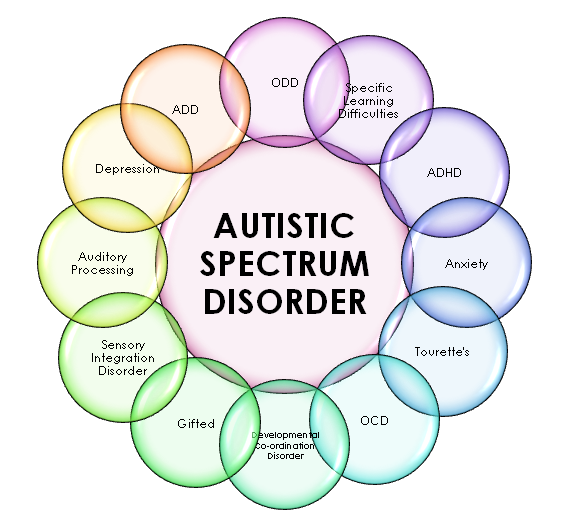
The goal is not to eliminate all sensory input but to create a balance—one that allows neurodivergent individuals to engage with the library on their own terms. This approach benefits not only autistic patrons but also those with ADHD, anxiety disorders, or sensory processing differences. By prioritizing comfort and control, libraries are fostering environments where everyone can explore, learn, and belong.
Programming with Purpose: Tailored Experiences for Autistic Learners
Beyond physical adaptations, libraries are reimagining their programming to align with the unique learning styles and interests of autistic individuals. Traditional storytime sessions, with their emphasis on group participation and rapid transitions, can be daunting for children who struggle with social cues or sudden changes. In response, many libraries now offer “sensory storytimes,” which incorporate elements such as visual schedules, fidget tools, and extended pauses between activities. These sessions often take place in smaller, quieter rooms and may include alternative formats like sign language or augmentative communication devices for nonverbal participants.

For older children and teens, libraries are introducing “maker spaces” and “quiet labs” where individuals can engage in hands-on activities at their own pace. These spaces might feature coding kits, 3D printers, or art supplies, allowing patrons to explore their interests without the pressure of performance or social expectations. Some libraries have also launched “social stories” workshops, where participants create personalized narratives that help them navigate real-world situations, from ordering food at a café to asking for help in a store. These programs not only build practical skills but also foster a sense of agency and self-advocacy.
Another innovative approach is the “passive programming” model, where activities are designed to be self-directed and low-pressure. For example, a library might set up a “book tasting” station where patrons can sample different genres without the expectation of committing to a read. Or it might host a “quiet disco,” where individuals can listen to audiobooks or music using wireless headphones, free from the distractions of a crowded room. These initiatives recognize that learning is not a one-size-fits-all endeavor and that the most meaningful experiences often arise from curiosity rather than coercion.
Training and Advocacy: Empowering Library Staff to Lead Change
The success of inclusive library programs hinges on the people who bring them to life. Librarians and staff play a critical role in creating welcoming environments, yet many lack the training to effectively support neurodivergent patrons. Forward-thinking libraries are addressing this gap through comprehensive professional development, covering topics such as autism awareness, sensory processing differences, and trauma-informed care. Workshops often include simulations that allow staff to experience the world from an autistic perspective, fostering empathy and insight.
Beyond training, advocacy is essential. Libraries are partnering with local autism organizations, parent groups, and self-advocates to co-design programs and policies. These collaborations ensure that initiatives are grounded in real needs rather than assumptions. For instance, a library might consult with autistic teens to develop a teen advisory board that shapes programming decisions. Or it might collaborate with a local school district to create a “library passport” system, where students earn badges for completing sensory-friendly activities, encouraging engagement without pressure.
Equally important is the role of libraries in advocating for broader systemic change. By sharing their successes and challenges with policymakers, libraries can influence funding and legislation that supports inclusive education and community spaces. They can also challenge outdated stereotypes about autism, using their platforms to amplify the voices of neurodivergent individuals. In doing so, libraries become not just service providers but catalysts for societal transformation.
The Ripple Effect: How Inclusive Libraries Benefit Everyone
The impact of inclusive library programs extends far beyond the autistic community. When libraries prioritize flexibility and accessibility, they create environments that are more welcoming for all patrons—whether they are elderly individuals with mobility challenges, parents with young children, or non-native speakers seeking language resources. The principles of universal design, which emphasize flexibility and simplicity, benefit everyone by reducing unnecessary barriers. For example, a parent with a fussy toddler might appreciate the option to attend a sensory storytime, just as a college student with ADHD might thrive in a quiet lab with minimal distractions.
Moreover, inclusive libraries foster a culture of empathy and understanding. By normalizing differences and celebrating diverse ways of learning, they help dismantle stigma and build stronger, more cohesive communities. Children who grow up in inclusive environments learn early on that everyone has unique strengths and challenges, fostering a sense of compassion and inclusion. Libraries, in this sense, become more than repositories of knowledge—they become laboratories for social change.
There is also a practical advantage to inclusivity. Libraries that cater to diverse audiences see increased patronage, higher engagement, and stronger community support. When patrons feel seen and valued, they are more likely to return, recommend the library to others, and contribute to its growth. In an era where libraries face competition from digital alternatives, their ability to offer unique, human-centered experiences becomes a critical asset.
Looking Ahead: The Future of Inclusive Library Spaces
The journey toward fully inclusive libraries is ongoing, with new innovations and challenges emerging all the time. One promising trend is the integration of technology to enhance accessibility. Augmented reality (AR) apps, for example, can provide real-time sensory cues for patrons who need additional context, while virtual reality (VR) experiences can offer immersive learning opportunities in a controlled environment. Libraries are also exploring the use of “quiet tech” zones, where devices like tablets and e-readers are available for those who prefer digital formats or need a break from physical spaces.

Another frontier is the expansion of outreach programs. Libraries are taking their services beyond their walls, partnering with community centers, hospitals, and even public transit systems to bring books and resources to those who may not visit a traditional branch. For autistic individuals who struggle with transitions or crowded spaces, these mobile and pop-up libraries offer a lifeline to resources they might otherwise miss. Some libraries are also experimenting with “sensory-friendly hours,” where the space is closed to the general public and reserved for neurodivergent patrons and their families, creating a safe and predictable environment.
As libraries continue to evolve, the most important guiding principle remains: listen to the community. The best programs are not imposed from above but co-created with those they aim to serve. Whether through feedback sessions, advisory boards, or informal conversations, libraries must remain attuned to the ever-changing needs of their patrons. In doing so, they will not only create spaces that are more inclusive but also redefine the very essence of what a library can be—a place of belonging, discovery, and endless possibility.
The transformation of libraries into inclusive spaces is more than a trend; it is a testament to the power of empathy and adaptability. By embracing the diversity of human experience, libraries are not just changing how they serve their communities—they are changing how communities see themselves. In the quiet corners of a well-designed library, where every patron is seen and heard, lies the promise of a more inclusive world.