Marriage is often likened to a garden—one that requires patience, nurturing, and an understanding of the seasons. Yet, when autism enters the equation, the soil of this garden shifts, the climate changes, and the gardener must adapt. Autism, with its intricate tapestry of strengths and challenges, reshapes the dynamics of partnership in ways that are as profound as they are unexpected. It is not a flaw to be corrected but a facet of identity to be embraced, a lens through which love is refracted into something uniquely luminous. Building a strong marriage when one or both partners are autistic is less about conforming to societal blueprints and more about crafting a blueprint that honors authenticity, resilience, and an unshakable bond. This journey demands empathy, creativity, and a willingness to see the world through a different prism—one that values directness over ambiguity, routine over spontaneity, and deep loyalty over fleeting gestures.
Imagine, for a moment, that marriage is a symphony. In a neurotypical partnership, the instruments may blend seamlessly, their melodies intertwining in harmonious synchrony. But when autism is part of the composition, the score changes. The tempo might be slower. The crescendos may arrive without warning. The silences between notes could stretch longer than expected. Yet, within this altered rhythm lies a different kind of beauty—a raw, unfiltered authenticity that neurotypical relationships often strive to emulate but rarely achieve. The autistic partner’s honesty, their unwavering focus on justice, and their capacity for deep, if narrow, passions can become the very pillars that hold the relationship aloft. The challenge, then, is not to force the music into a familiar key but to learn the new melody together, note by note.
The Architecture of Understanding: Decoding the Autistic Mind
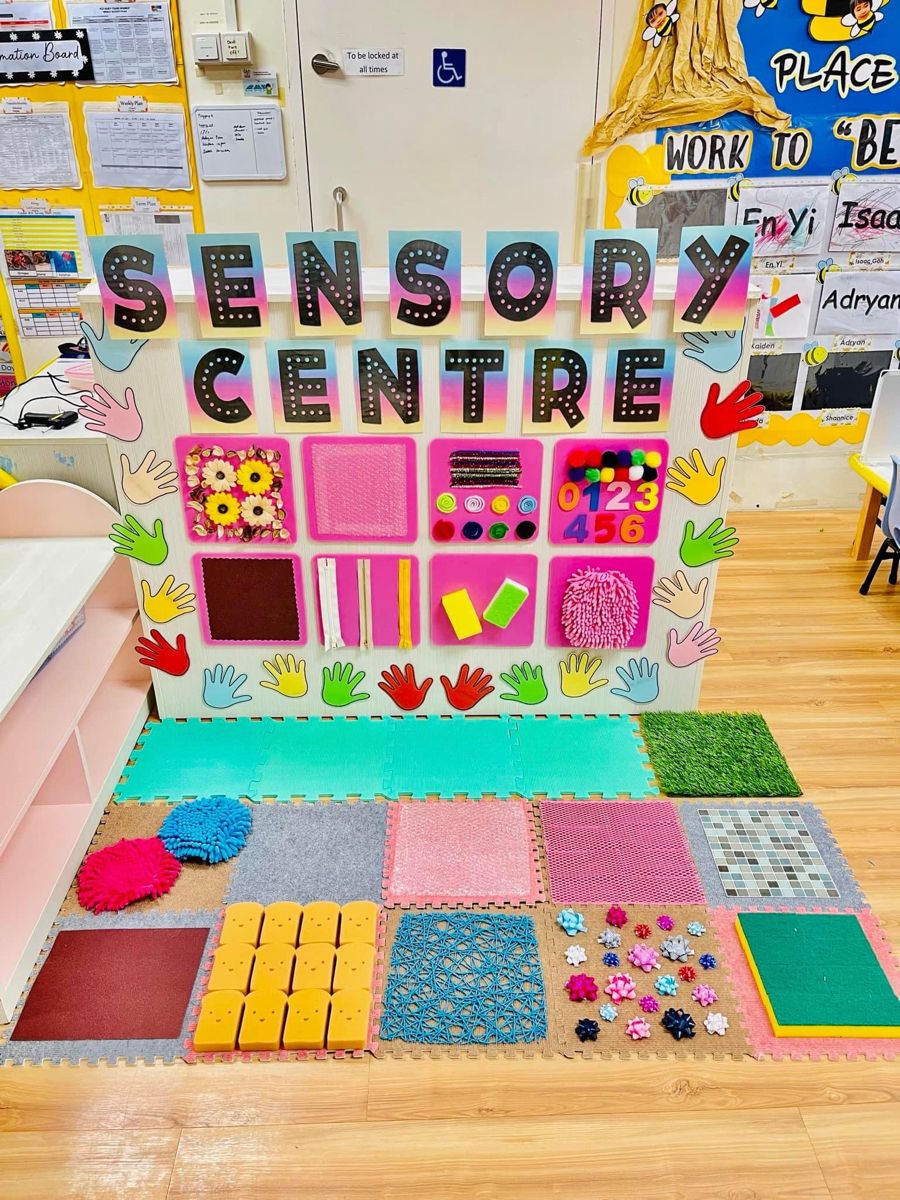
To build a strong marriage with an autistic partner, the first blueprint must be laid in the foundation of understanding. Autism is not a monolith; it is a spectrum as vast and varied as the stars. For some, it manifests as a hypersensitivity to sensory stimuli—a fluorescent light that hums like a swarm of bees, a fabric tag that feels like sandpaper against the skin. For others, it is a mind that processes information in a non-linear fashion, where social cues are not instinctively decoded but must be painstakingly translated. The autistic partner may communicate in ways that seem blunt or literal, devoid of the subtext that neurotypical individuals often rely on. Yet, this directness is not a lack of tact; it is a refusal to engage in the dance of pretense that so often muddies human interactions.
Empathy, in this context, is not about feeling what the other feels but about recognizing that their experience is valid, even if it diverges from your own. It is about trading the assumption that “everyone thinks like me” for the humbling realization that the world is a mosaic of perspectives. The autistic partner’s need for routine is not a quirk but a lifeline—a way to impose order on a world that often feels chaotic. Their special interests, those hyper-focused passions that consume their attention, are not distractions but sources of joy and purpose. To build a strong marriage, the neurotypical partner must become an architect of accommodation, designing a home that respects these needs without stifling them. This might mean creating quiet spaces free from sensory overload, establishing predictable routines, or even embracing the autistic partner’s rituals as sacred rather than strange.

Communication: The Bridge Between Two Worlds
Communication is the lifeblood of any marriage, but in a partnership touched by autism, it flows through channels that are often uncharted. Neurotypical individuals tend to rely on implicit cues—tone of voice, facial expressions, the unspoken “I’m upset” that lingers in the air like a storm cloud. Autistic individuals, however, may communicate in ways that are explicit, literal, or even scripted. A request for “quiet time” is not a rejection but a necessity. A detailed explanation of a special interest is not a tangent but an offering of connection. The key to bridging this divide lies in the art of translation—neither partner must assume that their way of communicating is the only way.
For the neurotypical partner, this might mean trading passive-aggressive hints for direct, clear requests. It could involve learning to read the autistic partner’s body language with the same care one might apply to deciphering a foreign language. For the autistic partner, it might mean practicing the art of emotional expression in ways that feel authentic, even if they do not come naturally. The goal is not to force one style of communication into the mold of the other but to create a hybrid language—a blend of clarity, patience, and mutual respect. This language might include written notes, visual schedules, or even the use of technology to bridge gaps in real-time conversation. The result is not a perfect translation but a living, evolving dialogue that honors both partners’ needs.
Routine as the Keystone of Stability
In a world that often glorifies spontaneity, routine can feel like a cage. Yet, for many autistic individuals, routine is the scaffolding that holds their world together. It is the predictable rhythm of morning coffee, the familiar path of a daily walk, the reassuring consistency of a bedtime ritual. Disrupting this routine can feel like an earthquake—shaking the foundations of security and leaving chaos in its wake. In a marriage where autism is present, routine is not a prison but a sanctuary. It is the quiet promise that, no matter what chaos swirls outside, within these walls, there is order.
The neurotypical partner may chafe against the rigidity of routine, longing for the thrill of unplanned adventures. Yet, in learning to appreciate the comfort of predictability, they may discover a different kind of joy—a peace that comes from knowing that their partner feels safe, that their needs are met, and that their love is expressed in the small, consistent acts that build a life together. This does not mean that spontaneity must be banished entirely. Instead, it can be introduced in ways that do not disrupt the core of stability. A surprise outing might be planned with ample warning. A new restaurant might be visited only after the autistic partner has had time to research the menu. The result is a partnership that balances the comfort of the known with the excitement of the new, all within a framework that feels secure.
The Strength of Special Interests: Turning Obsessions into Opportunities
Autistic individuals often possess passions that burn with an intensity that neurotypical minds might struggle to comprehend. These special interests are not mere hobbies; they are lifelines, sources of joy, and sometimes even the driving force behind personal and professional achievements. In a marriage, these interests can become a double-edged sword—either a wedge that drives partners apart or a bridge that connects them. The challenge lies in reframing the autistic partner’s focus from an obstacle to an asset.
Consider the autistic partner who spends hours immersed in a niche topic, whether it’s quantum physics, medieval history, or the intricacies of train schedules. To the neurotypical partner, this might seem like an endless monologue, a conversation that never quite arrives at a destination. Yet, within this obsession lies an opportunity. The autistic partner’s deep knowledge and enthusiasm can become a source of shared pride. The neurotypical partner might find themselves drawn into the world of the special interest, discovering new facets of their partner’s mind and, in turn, their own capacity for curiosity. Alternatively, the autistic partner’s passion can be harnessed to benefit the relationship—whether it’s planning a themed date night around their interest or even leveraging their expertise to solve a problem that the couple faces together.
Of course, balance is key. The autistic partner must also learn to temper their focus, to recognize when their partner’s needs for interaction or shared activity are not being met. The goal is not to suppress the special interest but to integrate it into the fabric of the relationship in a way that feels harmonious. When this balance is achieved, the special interest ceases to be a barrier and becomes a testament to the unique strengths that autism brings to the partnership.
Conflict Resolution: Navigating Stormy Seas with Compassion
No marriage is immune to conflict, but in a partnership where autism is present, disagreements can feel like navigating a ship through uncharted waters. The autistic partner may struggle to read the emotional undercurrents of an argument, interpreting direct statements as attacks when they were never intended as such. The neurotypical partner, in turn, may misinterpret the autistic partner’s need for space as indifference or withdrawal. The result can be a cycle of misunderstanding that spirals into frustration and resentment.
To break this cycle, the couple must develop a conflict resolution strategy that is as unique as their relationship. This might involve setting clear boundaries around when and how conflicts are addressed—agreeing, for example, that discussions will pause if either partner becomes overwhelmed. It could mean using “I” statements to express feelings without assigning blame, or it might involve creating a visual tool, like a feelings chart, to help the autistic partner articulate their emotions. The key is to approach conflict not as a battle to be won but as a puzzle to be solved—a challenge that requires teamwork, patience, and a shared commitment to understanding.
In these moments of tension, it is crucial to remember that the autistic partner is not “difficult” but different. Their way of processing conflict may not align with neurotypical norms, but it is no less valid. The neurotypical partner, in turn, must resist the urge to “fix” the situation or impose their own emotional expectations. Instead, they must meet their partner where they are, offering reassurance, clarity, and a steady hand to guide them through the storm.
The Unseen Strengths: What Autism Brings to a Marriage
While autism presents its share of challenges, it also brings a constellation of strengths that can enrich a marriage in ways that are both subtle and profound. The autistic partner’s honesty, for instance, is a rare and precious gift in a world where deception often wears the mask of politeness. Their loyalty is unwavering, their commitment to justice unshakable. They may notice details that others overlook—the way a friend’s smile doesn’t quite reach their eyes, the inconsistency in a coworker’s story—and their directness can cut through the noise of social pretense, leaving only the truth behind.
Moreover, the autistic partner’s deep focus and problem-solving skills can become invaluable assets in a marriage. They may excel at planning, organizing, or even mediating conflicts with a level-headedness that others find inspiring. Their special interests can spark creativity, open doors to new experiences, and even become a source of income or shared joy. In embracing these strengths, the couple can transform what society might view as deficits into the very pillars that support their relationship.

Cultivating Intimacy: Beyond the Physical and Into the Emotional
Intimacy is often equated with physical closeness, but in a marriage touched by autism, it takes on a deeper, more nuanced meaning. For the autistic partner, intimacy may not be expressed through grand romantic gestures but through the quiet acts of service, the sharing of a special interest, or the simple presence of a loved one in the same room. The neurotypical partner, in turn, may need to redefine what intimacy looks like—finding joy in the mundane, the ordinary, the everyday moments that others might overlook.
To cultivate intimacy, the couple must create a shared language of love—one that speaks to both partners’ needs and desires. This might involve setting aside dedicated time for connection, whether it’s a weekly “date night” or a daily check-in to share the highlights and challenges of the day. It could mean exploring alternative forms of physical affection, such as deep pressure therapy (a comforting touch that can be soothing for some autistic individuals) or simply sitting together in comfortable silence. The goal is not to force intimacy into a predetermined mold but to allow it to flourish in its own time, in its own way.
In this space, intimacy becomes less about performance and more about presence. It is the feeling of being truly seen, truly known, and truly accepted—not in spite of differences, but because of them. It is the quiet understanding that love is not a destination but a journey, one that is navigated together, step by step, with patience and grace.
Marriage, at its core, is an act of creation—a collaboration between two people to build something greater than themselves. When autism is part of that equation, the blueprint must be redrawn, the materials recalibrated, and the vision expanded to include the full spectrum of human experience. It is a partnership that demands more of both partners, but it also offers more in return—a love that is as authentic as it is resilient, as unique as it is unshakable. In embracing the differences that autism brings, the couple does not merely survive; they thrive, crafting a relationship that is as extraordinary as it is enduring.