Have you ever watched a child with autism melt into a state of serene stillness, their body language shifting from rigid tension to fluid relaxation, as if some invisible weight had been lifted? The transformation is nothing short of magical—yet it’s not magic at all. It’s the subtle, profound power of massage therapy. For many children on the autism spectrum, the world can feel like an overwhelming cacophony of sensations, where even the gentlest touch can be either a source of comfort or a trigger for discomfort. But what if there were a way to recalibrate their sensory experience, to help them find calm in a world that often feels chaotic? Enter massage therapy—a gentle yet transformative tool that can unlock new levels of relaxation, connection, and well-being.
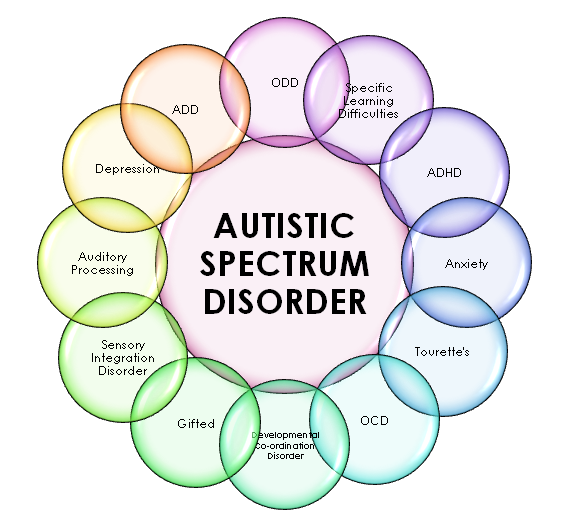
Autism Spectrum Disorder (ASD) is a neurodevelopmental condition characterized by differences in social interaction, communication, and sensory processing. For some, sensory input—whether it’s the texture of clothing, the hum of fluorescent lights, or the brush of a hand—can feel overwhelming, leading to heightened anxiety, meltdowns, or withdrawal. Others may crave deep pressure or rhythmic movement, seeking sensory input to self-regulate. Massage therapy, when tailored to the unique needs of autistic individuals, can serve as a bridge between these sensory extremes. It’s not a one-size-fits-all solution, but for many, it offers a pathway to greater comfort, body awareness, and emotional regulation.
The Science Behind the Serenity: How Massage Therapy Works for Autism
At its core, massage therapy is a tactile intervention that stimulates the nervous system in ways that can recalibrate the body’s stress response. For autistic individuals, whose nervous systems may be hypersensitive or under-responsive, massage can act as a gentle corrective. Research suggests that massage therapy can reduce levels of cortisol—the stress hormone—while increasing levels of serotonin and dopamine, neurotransmitters associated with relaxation and mood regulation. But the benefits go beyond mere biochemistry. The rhythmic, predictable nature of massage provides a sense of safety and control, which can be particularly valuable for those who struggle with unpredictability in their environment.
One of the most compelling aspects of massage for autism is its ability to enhance proprioception—the body’s sense of its position in space. Many autistic individuals have difficulty with proprioceptive processing, which can lead to clumsiness, poor posture, or difficulty with motor planning. Through targeted pressure and movement, massage helps to “wake up” the body’s internal GPS, improving coordination and body awareness. Imagine a child who constantly bumps into walls or struggles to sit still suddenly finding a sense of groundedness, their movements becoming more deliberate and controlled. That’s the power of proprioceptive input.
Finding the Right Touch: Tailoring Massage to Individual Needs
Not all touch is created equal, especially for someone with autism. What feels soothing to one person might feel intrusive or even painful to another. The key lies in customization. Some autistic individuals may prefer firm, deep pressure—think of the way a weighted blanket feels—while others might respond better to lighter, feather-like strokes. The environment matters too. A quiet, dimly lit room with minimal distractions can make all the difference. Some children may need to start with brief sessions, gradually building tolerance, while others might dive right in, reveling in the sensory input.
Incorporating tools like textured massage balls, vibrating massagers, or even a simple hand massage can help desensitize the individual to touch over time. For those who are tactile-sensitive, starting with pressure on less sensitive areas—such as the back or feet—before gradually moving to more sensitive regions can ease them into the experience. It’s a delicate dance, one that requires patience, observation, and a willingness to adapt. The goal isn’t to force relaxation but to create a space where the individual feels safe enough to explore it on their own terms.
The Emotional Alchemy: Massage as a Bridge to Connection
Beyond the physical benefits, massage therapy can foster emotional connection—a challenge many autistic individuals face. For those who struggle with social interaction or express emotions in unconventional ways, the act of receiving massage can become a non-verbal dialogue between the giver and receiver. The trust built through this process can spill over into other areas of life, making it easier to engage in social interactions or therapeutic settings. Parents and caregivers often report feeling more attuned to their child’s needs after incorporating massage into their routine, noticing subtle shifts in mood, sleep patterns, and overall demeanor.
There’s something inherently intimate about massage—it’s a shared experience that transcends words. For autistic individuals who may struggle to articulate their feelings, the physical act of receiving touch can be a way to communicate without language. It’s a reminder that connection doesn’t always require speech; sometimes, it’s found in the quiet language of touch.
Overcoming the Hurdles: Challenges and Considerations
Of course, the path to incorporating massage therapy isn’t without its obstacles. Sensory aversions, fear of touch, or past negative experiences can make it difficult to introduce massage as a therapeutic tool. Some individuals may initially resist, flinching or withdrawing at the first sign of contact. Patience is paramount here. Introducing massage gradually, perhaps starting with self-massage techniques or using a proxy like a stuffed animal to simulate touch, can help ease the transition. It’s also crucial to work with a therapist who understands autism and is skilled in adaptive massage techniques.
Another challenge lies in finding the right balance between stimulation and relaxation. Too much pressure or an overly stimulating environment can backfire, leaving the individual more agitated than soothed. The key is to start slow, observe reactions closely, and adjust accordingly. It’s a process of trial and error, but one that can yield profound rewards.
Real-Life Transformations: Stories of Change
Consider the story of a 7-year-old boy who once recoiled at the slightest touch, his body rigid with tension. His parents, desperate for a way to help him find calm, turned to massage therapy. At first, he tolerated only a few seconds of gentle pressure on his hands. But over time, with consistency and patience, he began to relax into the sessions. His parents noticed improvements in his sleep, his ability to focus, and his willingness to engage in social interactions. Another child, who struggled with severe anxiety, found solace in rhythmic tapping and stroking techniques, which helped her regulate her emotions during moments of overwhelm. These aren’t isolated incidents; they’re testaments to the transformative power of touch when wielded with intention and care.
Making It a Habit: Integrating Massage into Daily Life
For massage therapy to have a lasting impact, it needs to become a part of the individual’s routine. This doesn’t mean scheduling hour-long sessions daily—even 10 minutes of gentle massage can make a difference. Parents and caregivers can incorporate massage into bedtime routines, using it as a way to signal the transition from activity to rest. Techniques like “hand-over-hand” massage, where the caregiver guides the child’s hands in gentle strokes, can empower the child to participate actively in their own relaxation. Over time, these small moments of connection can build a foundation of trust and comfort.
It’s also worth exploring complementary therapies, such as aromatherapy (with caution, as scents can be overwhelming) or music therapy, to enhance the effects of massage. The goal is to create a holistic sensory experience that addresses the individual’s unique needs and preferences.
As the sun sets and the world quiets, there’s a quiet revolution happening in the realm of autism therapy—one where touch becomes a tool for healing, connection, and growth. Massage therapy isn’t a cure-all, nor is it a magic bullet. But for many autistic individuals, it offers something invaluable: a moment of peace in a world that often feels too loud, too bright, or too overwhelming. It’s a reminder that sometimes, the simplest interventions can have the most profound effects. So, why not give it a try? Your hands might just become the calm in their storm.