
Have you ever stared into the fridge at 6 PM, hunger gnawing at your stomach, only to realize the ingredients inside could stage a culinary mutiny if left unattended? Now, imagine that chaos amplified tenfold—when the unpredictable currents of autism ripple through family meal prep. Suddenly, textures become adversaries, routines feel like fragile glass sculptures, and the simple act of nourishing your loved ones transforms into a high-stakes balancing act. But what if meal prep could become not just a logistical triumph, but a sanctuary of predictability, connection, and even joy?
For families navigating autism, the kitchen isn’t just a place of sustenance; it’s a microcosm of sensory battles, executive function hurdles, and emotional landmines. Yet, with the right strategies, meal prep can evolve from a source of stress into a structured oasis. Let’s explore how to turn the tide, transforming the daunting into the doable.
Why Meal Prep Feels Like a Marathon in a Minefield
Autism often brings a unique relationship with food—some children may reject entire food groups based on texture or color, while others fixate on repetitive meals, making variety feel like a foreign concept. The unpredictability of hunger cues, combined with the sensory overload of cooking aromas or sizzling sounds, can turn a simple dinner into a full-blown expedition. For parents, this isn’t just about nutrition; it’s about preserving sanity while ensuring everyone is fed.
Consider the paradox: while structure is a cornerstone of autism support, the very act of meal prep demands flexibility. A sudden change in routine—like a delayed grocery delivery or a last-minute schedule shift—can derail the entire plan. The challenge isn’t just cooking; it’s orchestrating a symphony where every instrument might suddenly change tempo.
The Power of Predictability: Designing a Meal Prep Routine That Works
Predictability is the bedrock of comfort for many autistic individuals. A consistent meal prep schedule—perhaps every Sunday and Wednesday—can anchor the week, reducing anxiety and providing a sense of control. But how do you build a routine that feels less like a chore and more like a ritual?
Start by mapping out a visual schedule. Use color-coded charts or apps that outline each step, from grocery shopping to plating. For children who thrive on visual cues, a “meal prep menu board” can turn abstract tasks into tangible steps. Break the process into micro-moments: “First, we wash the veggies. Then, we chop them. Finally, we cook.” This segmentation eases the cognitive load and makes the task feel less overwhelming.
Another tactic? Themed days. “Taco Tuesdays” or “Pasta Fridays” create a predictable rhythm, making meal prep feel like part of a larger, comforting narrative. The key is consistency—even if the meals vary slightly, the structure remains a constant.
Sensory-Friendly Strategies: When the Kitchen Feels Like a War Zone
Sensory sensitivities can turn the kitchen into a battleground. The sound of a blender might feel like nails on a chalkboard, while the smell of sautéing onions could trigger a gag reflex. How do you reconcile the need for nourishment with the need for sensory comfort?
First, audit the environment. Identify triggers—whether it’s the hum of the fridge, the glare of overhead lights, or the texture of raw vegetables—and mitigate them. Noise-canceling headphones or white noise machines can muffle disruptive sounds, while dimmable lighting can soften harsh glares. For texture-averse individuals, consider prepping ingredients separately or using tools like food processors to alter textures before serving.
Another approach? Cold meals. Salads, wraps, or overnight oats eliminate the need for cooking, reducing sensory overload while still providing balanced nutrition. The goal isn’t to eliminate all discomfort but to create a balance where meals can be enjoyed without distress.
Executive Function Hacks: Outsmarting the Overwhelm
Autism often intersects with executive dysfunction, making planning, organizing, and executing tasks feel like climbing Everest in flip-flops. Meal prep, with its multistep demands, can feel like a minefield of forgotten ingredients and half-finished tasks. How do you outmaneuver this cognitive fog?
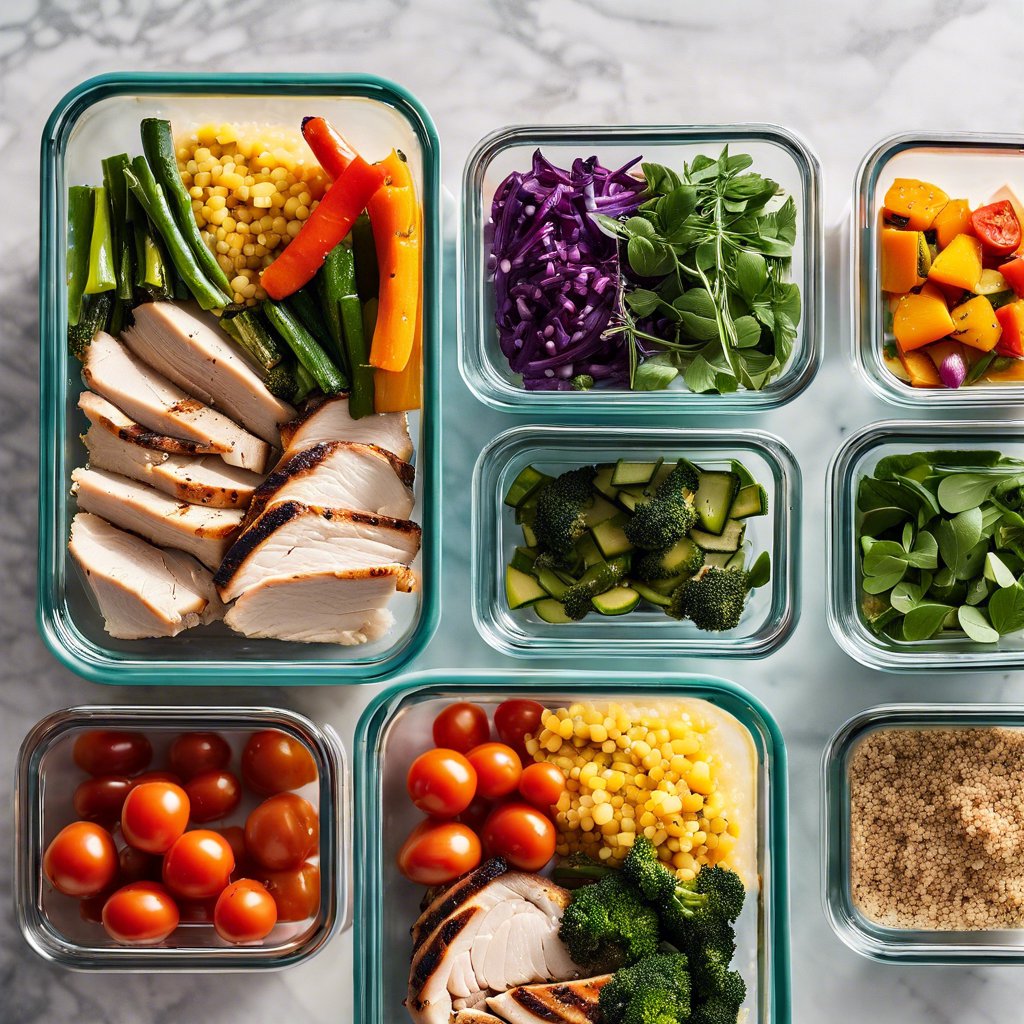
Pre-portioned ingredients are a game-changer. Invest in compartmentalized containers or use muffin tins to separate components—protein, carbs, and veggies—so assembly becomes a no-brainer. Label everything clearly, using pictures or symbols for those who read visually. A “meal assembly station” with prepped ingredients can turn cooking into a low-effort, high-reward activity.
For those who struggle with time management, set a timer for each step. “Chop veggies for 10 minutes, then pause.” This externalizes the timing, reducing the mental load. And if the plan falls apart? That’s okay. The goal isn’t perfection; it’s progress.
Involving the Whole Family: Turning Meal Prep into a Collaborative Adventure
Meal prep doesn’t have to be a solo endeavor. Involving autistic family members—even in small ways—can foster a sense of ownership and reduce resistance. But how do you make participation feel rewarding rather than forced?
Start with tasks that align with their strengths. A child who loves repetition might excel at washing vegetables or stirring ingredients. Someone who enjoys patterns could help arrange food in bento boxes or create colorful food art. The key is to frame participation as a choice, not an obligation. “Would you like to help stir the sauce or set the table?” offers autonomy within structure.
For those who are reluctant, gamify the process. Turn chopping into a speed challenge or create a “master chef” badge for completing a meal. The goal is to associate meal prep with positive reinforcement, not pressure.
When Plans Fail: Embracing the Chaos with Grace
Even the most meticulous meal prep plans can unravel. A meltdown, an unexpected outing, or a forgotten ingredient can derail the entire effort. How do you pivot without spiraling into frustration?
First, build in a “Plan B” meal—a simple, no-cook option like cereal, yogurt, or pre-made sandwiches. Keep a stash of emergency snacks in the pantry for days when cooking feels impossible. Remind yourself that nourishment isn’t binary; a balanced meal can be as simple as a smoothie or a plate of cheese and crackers.
And sometimes, the best-laid plans deserve a detour. If the day calls for takeout or a picnic blanket in the living room, so be it. The goal isn’t rigid adherence to a schedule but ensuring that everyone is fed, happy, and emotionally regulated.
The Ripple Effect: How Simplified Meal Prep Transforms More Than Just Dinner
When meal prep becomes less of a chore and more of a ritual, its benefits extend far beyond the dinner table. A structured routine can reduce anxiety, improve nutrition, and even strengthen family bonds. Children learn patience, responsibility, and the value of consistency. Parents gain confidence in their ability to navigate challenges. And everyone—regardless of neurotype—benefits from the comfort of a predictable, nourishing routine.
The kitchen, once a source of stress, can become a space of creativity and connection. Meals prepared with intention nourish not just the body, but the soul. And in a world that often feels chaotic, that’s a victory worth savoring.
So the next time you find yourself staring into the fridge, take a deep breath. The path to simpler, more joyful meal prep isn’t about perfection—it’s about progress, adaptability, and the quiet triumph of showing up, one meal at a time.