The first breath of a newborn is not merely the beginning of life—it is the genesis of a lifelong symphony of connections, where every note resonates with potential, every pause holds promise, and every silence begs to be understood. For parents, the postpartum period is a crucible of emotions: exhilaration, exhaustion, and an unspoken fear that the future might unfold differently than imagined. Yet, within this delicate dance of early bonding lies a profound truth—one that science is only beginning to unravel. What if the key to nurturing a child’s development, particularly in the context of autism, begins not with intervention, but with the quiet, instinctive moments of connection that unfold in the first days and weeks of life?
Autism Spectrum Disorder (ASD) is often discussed in terms of diagnosis and therapy, but its roots may stretch back to the earliest interactions between parent and child. Emerging research suggests that the seeds of social and emotional development are sown in the tender exchanges of gaze, touch, and vocalization that define newborn care. These interactions, when nurtured with intention, can lay the groundwork for resilience, communication, and emotional regulation—cornerstones of lifelong well-being. Yet, for many families, the journey begins with uncertainty, a whisper of doubt that something might be amiss. How can parents navigate this landscape with clarity and confidence, ensuring that their child’s unique path is met with understanding rather than apprehension?
The Neurobiology of Early Bonding: A Foundation for Lifelong Growth
The human brain is a marvel of plasticity, particularly in the first two years of life, when neural pathways form at a rate of one million connections per second. During this critical window, the quality of early interactions shapes not just cognitive development, but the very architecture of social cognition. Oxytocin, often dubbed the “love hormone,” surges during skin-to-skin contact, fostering trust and reducing stress in both parent and child. For infants on the autism spectrum, these biochemical exchanges may serve as a lifeline, helping to regulate sensory processing and emotional responses that can otherwise feel overwhelming.
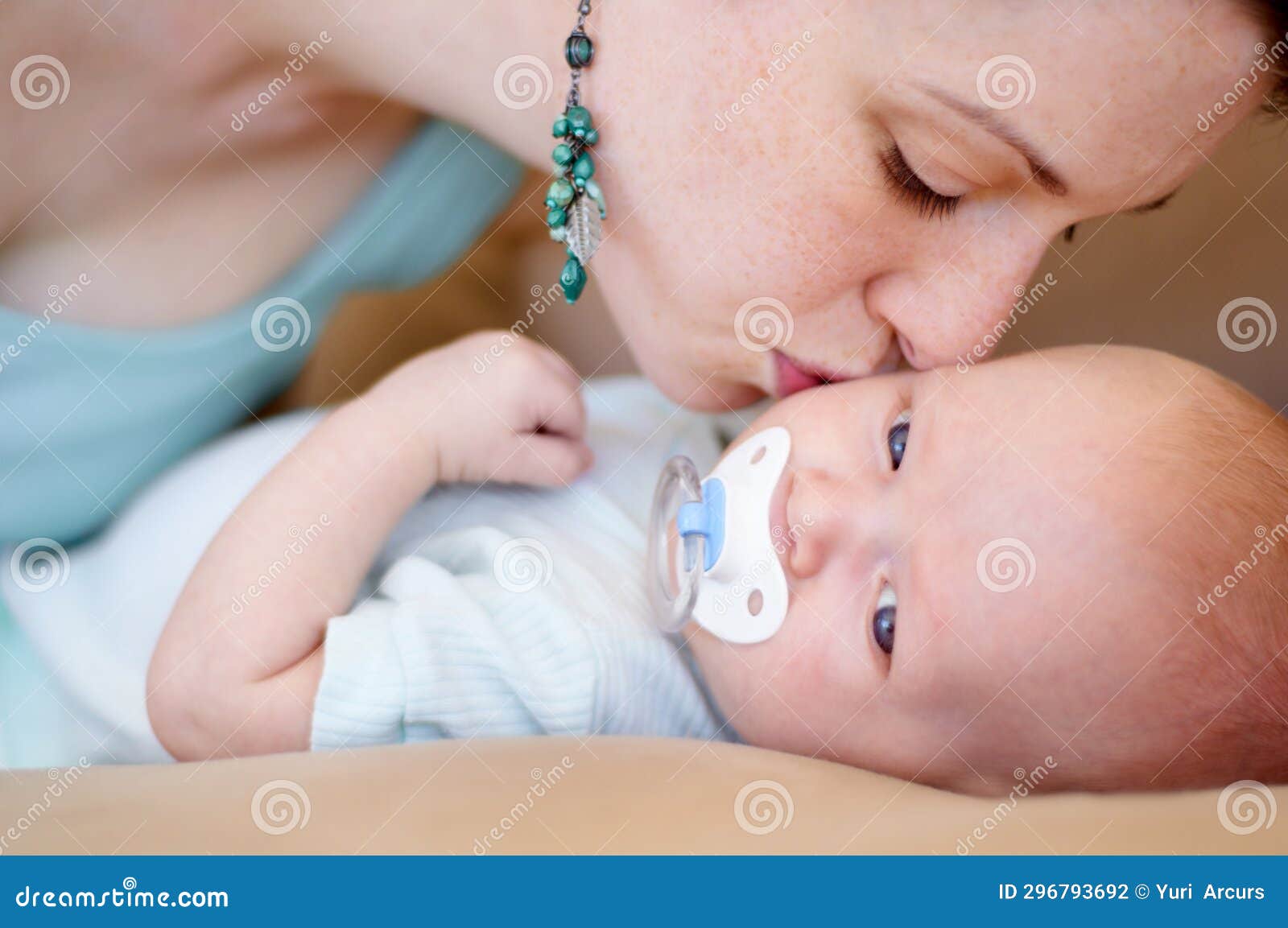
Consider the act of breastfeeding, where the rhythmic suckling triggers a cascade of neural activity in the infant’s brain, reinforcing the neural circuits associated with attachment. For mothers of children with autism, this act may take on added significance, as it becomes a conduit for mutual regulation—where the mother’s heartbeat and breath synchronize with the infant’s, creating a symphony of stability in an otherwise chaotic world. Yet, bonding is not a one-size-fits-all endeavor. Some infants may initially resist touch or eye contact, a behavior that, while perplexing, is not necessarily indicative of autism. Instead, it may reflect an overstimulated nervous system, one that requires a slower, more attuned approach to connection.

Research into infant-directed speech—those high-pitched, melodic tones parents instinctively use when cooing at their babies—reveals that such vocalizations activate the infant’s auditory cortex in ways that neutral speech does not. For children with autism, who may struggle with language acquisition, these early exchanges can serve as a bridge, priming the brain for future communication. The key lies in recognizing that bonding is not a performance but a dialogue, one where the parent learns to attune to the child’s unique rhythms rather than imposing their own.
Sensory Integration: The Unseen Threads of Development
The world is a cacophony of sensations for a newborn, and for some infants, the sheer volume of stimuli can be paralyzing. Autism often manifests in sensory sensitivities, where textures, sounds, or lights trigger distress rather than curiosity. Yet, early intervention does not always require formal therapy. Instead, it can begin with the parent’s ability to modulate the environment, creating a sanctuary of calm where the child feels safe to explore.
Imagine a nursery bathed in soft, diffused light, where the hum of a white noise machine drowns out jarring sounds. A rocking chair, its motion gentle and predictable, becomes a tool for co-regulation, helping the infant transition from states of hyperarousal to equilibrium. For parents, this is not about perfection but presence—an acknowledgment that their child’s sensory world is as valid as their own, and that their role is to be a guide, not a taskmaster.
Yet, sensory integration extends beyond the physical environment. It lives in the touch of a parent’s hand, the rhythm of a lullaby, the scent of a familiar blanket. These seemingly mundane details form the scaffolding of a child’s emotional resilience, teaching them that the world, while sometimes overwhelming, is also a place of comfort and predictability. For children with autism, this foundation can mean the difference between withdrawal and engagement, between isolation and connection.
The Role of Early Screening: A Compass, Not a Crystal Ball
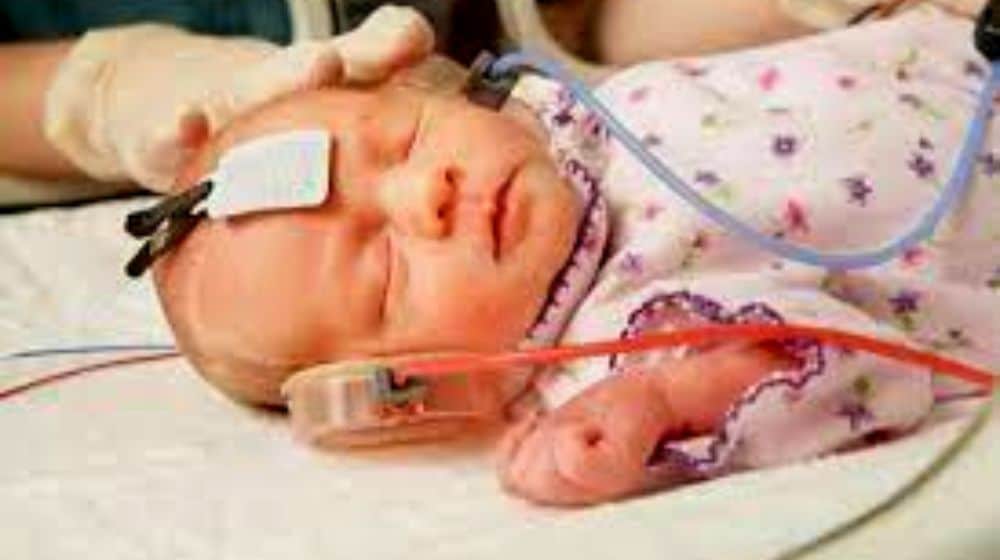
Newborn hearing tests, once a routine procedure, are now being reexamined through the lens of autism research. A 2023 study suggested that infants who fail these screenings may exhibit early markers of ASD, particularly in areas of social communication and repetitive behaviors. While this does not imply causation, it underscores a critical truth: early detection is not about labeling a child but about opening doors to support.
The process of screening, however, must be approached with nuance. A failed hearing test does not automatically signal autism, just as a passing test does not guarantee typical development. Instead, it is an invitation to observe, to notice the subtle cues that a child may be struggling to process the world in the way others do. For parents, this can feel like a double-edged sword—both a relief and a source of anxiety. Yet, the goal is not to rush to judgment but to cultivate a mindset of curiosity, where every milestone and setback is met with patience and a willingness to adapt.
Early screening also highlights the importance of interdisciplinary care. Audiologists, pediatricians, and developmental specialists must collaborate, sharing insights that paint a holistic picture of the child’s needs. This team-based approach ensures that interventions are not siloed but integrated, addressing the child’s development from multiple angles. For parents, this can alleviate the burden of navigating a fragmented system, replacing it with a cohesive support network that works in harmony.
Parenting with Intention: The Art of Attuned Care
Parenting a child with autism—or any child, for that matter—is not about following a script but about writing one in real time, with each interaction serving as a line of dialogue. The concept of “attuned parenting” emphasizes the parent’s ability to read the child’s cues, responding not just to their needs but to their emotional state. This requires a shift from a transactional approach—where interactions are goal-oriented—to a relational one, where the parent’s presence is the goal itself.
For example, a child who avoids eye contact may not be disengaged but overwhelmed. Instead of insisting on direct gaze, a parent might follow the child’s lead, engaging with peripheral vision or using a toy to create a bridge between their worlds. Similarly, a child who rocks or flaps their hands may be self-soothing, a behavior that, while unconventional, serves a purpose in their sensory regulation. The key is to meet the child where they are, without judgment, and to celebrate small victories—not just in milestones, but in moments of connection.
This approach also extends to siblings, who may grapple with feelings of confusion or resentment as they navigate their role in the family dynamic. Open, age-appropriate conversations about autism can demystify the experience, fostering empathy and reducing the likelihood of future conflicts. After all, autism is not a tragedy but a difference, one that can enrich a family’s tapestry with unique perspectives and strengths.
Redefining Success: Beyond the Benchmarks of Development
Society often measures a child’s progress against a narrow set of benchmarks—first words, first steps, first friendships. Yet, for children with autism, success may look entirely different. A child who communicates through gestures rather than speech, or who finds solace in repetitive movements, is not failing—they are thriving in their own way. The challenge lies in expanding our definition of achievement to include these unconventional paths.
Consider the child who, instead of speaking, uses a tablet to express their needs. Or the one who, rather than playing with peers, finds joy in solitary activities that align with their interests. These are not signs of deficiency but of adaptation, proof that the human spirit finds a way to flourish even in the face of adversity. For parents, this redefinition can be liberating, freeing them from the pressure to conform to societal expectations and instead focus on what truly matters: their child’s happiness and sense of belonging.
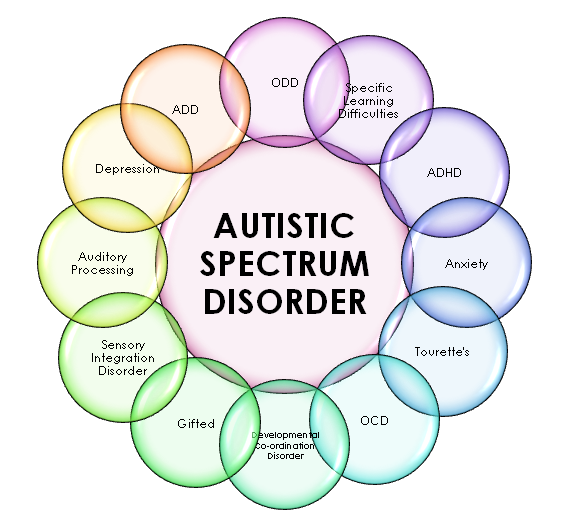
It is also worth noting that autism is not a monolith. Each child’s experience is as unique as their fingerprint, shaped by their temperament, environment, and the support they receive. Some may excel in areas that neurotypical children struggle with, such as pattern recognition or deep focus. Others may require lifelong assistance. The goal is not to force a child into a mold but to provide the tools they need to navigate the world on their own terms.
The journey of parenting a child with autism is not linear. There will be days of frustration, moments of doubt, and periods of profound love. Yet, within these challenges lies an opportunity—to redefine what it means to nurture, to connect, and to celebrate the extraordinary in the ordinary. The first breath of a newborn is not just the beginning of life; it is the beginning of a story, one that unfolds with every shared glance, every gentle touch, and every quiet moment of understanding.
As parents, we are not just caregivers; we are architects of possibility, builders of bridges, and guardians of dreams. The path may be unconventional, but it is ours to walk, one step at a time.