Have you ever wondered if a simple change in diet could illuminate new pathways toward improved wellbeing for individuals with autism? The interplay between nutrition and behavioral health is as intricate as it is compelling, presenting both a challenge and an opportunity for caregivers and health professionals alike. Navigating the dietary landscape can feel daunting, but understanding its nuances holds promise for enhancing quality of life.
The Science Behind Autism and Nutrition
Autism Spectrum Disorder (ASD) encompasses a broad range of neurodevelopmental variations characterized by differences in communication, social interaction, and behavior. Emerging research underscores the profound impact dietary patterns can have on neurological function, gut health, and overall physiological stability in those with ASD. While no single diet offers a panacea, targeted nutritional strategies may help alleviate some behavioral and physical symptoms associated with autism.
Neuroinflammation and oxidative stress have been identified as contributory factors in autism’s pathology. Nutrients rich in antioxidants and anti-inflammatory properties may mitigate such effects. Moreover, gastrointestinal concerns—commonly reported among individuals with autism—highlight the necessity of a balanced, gut-friendly diet that supports microbiota diversity and digestive comfort.
Challenges in Establishing an Autism-Friendly Diet
Crafting a nutritional blueprint for individuals with autism can be complicated by sensory sensitivities and selective eating behaviors. Many experience heightened aversions to textures, tastes, and aromas, which can narrow their acceptable foods significantly. This phenomenon, often termed “picky eating,” may exacerbate nutritional deficiencies and complicate caregivers’ attempts to provide balanced meals.
Furthermore, co-occurring conditions such as gastrointestinal distress, food intolerances, or metabolic irregularities demand a bespoke approach. Understanding the unique biochemical and sensory profiles of each individual is crucial to developing effective dietary interventions.
Key Nutritional Strategies for Enhanced Health
Implementing dietary changes that honor sensory preferences yet enrich nutritional intake is paramount. Below are several pivotal strategies:
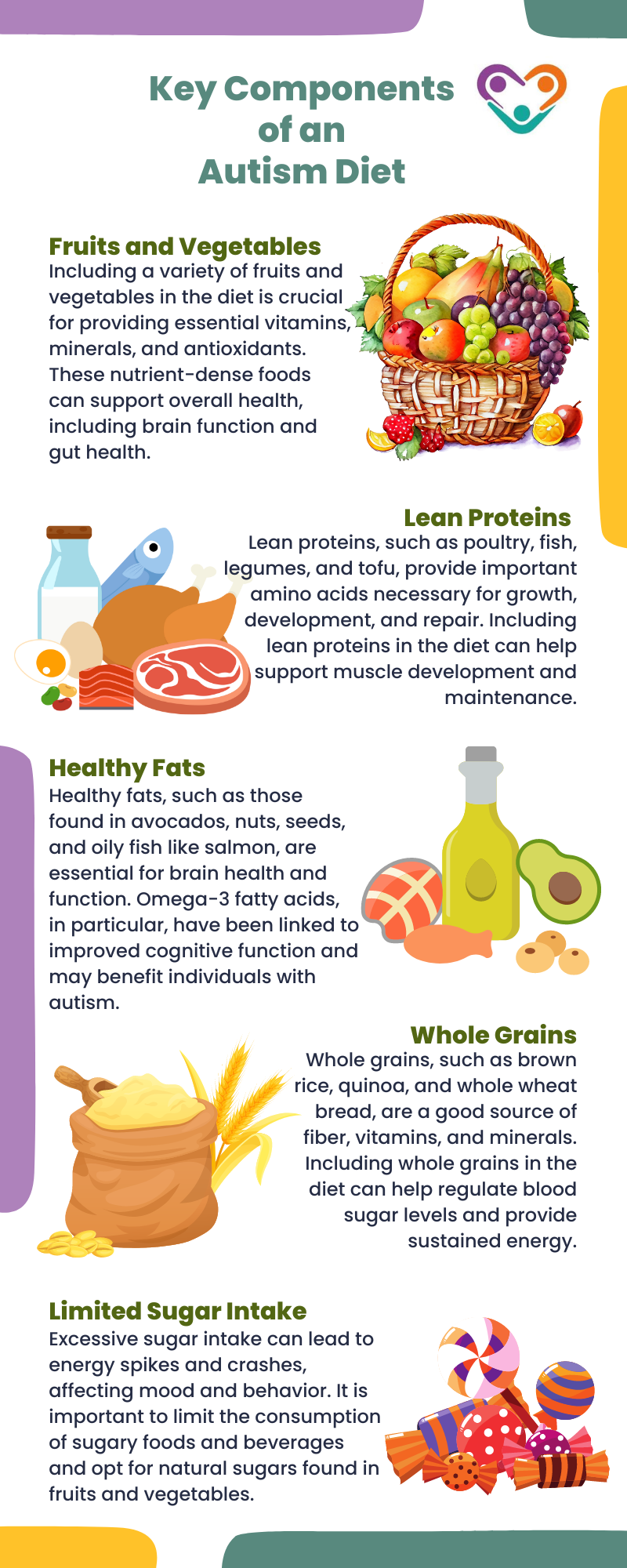
- Emphasize Whole Foods: Prioritize fresh fruits, vegetables, lean proteins, and whole grains. These foods provide essential vitamins, minerals, and fiber critical for neurodevelopment and digestive health.
- Incorporate Omega-3 Fatty Acids: Found in fatty fish like salmon and flaxseeds, omega-3s are renowned for supporting brain function and reducing inflammation.
- Manage Gluten and Casein Sensitivities: Some individuals benefit from reducing or eliminating gluten and casein, proteins found in wheat and dairy, respectively, which can exacerbate behavioral symptoms or gastrointestinal upset.
- Supplement Wisely: Supplementation with vitamins such as B6, magnesium, and probiotics may support neurological function and gut microbiota balance, but should be undertaken under healthcare supervision.
- Stay Hydrated: Adequate fluid intake is essential for metabolic processes and cognitive clarity.
The Role of Mealtime Environment and Routine
Creating a supportive and structured mealtime environment helps address behavioral challenges associated with eating. Consistency in timing, minimal distractions, and positive reinforcement can facilitate greater acceptance of diverse foods. Sensory sensitivities are best managed by gradually introducing new textures and flavors in a predictable, low-pressure setting.
Engaging families in the meal planning process and tailoring approaches to individual preferences fosters empowerment and sustainability. Sometimes, innovative presentations or the use of familiar foods can serve as a bridge toward dietary diversification.

Addressing Common Nutritional Deficiencies
Due to selective eating, individuals with autism are at risk for deficiencies in key micronutrients such as iron, vitamin D, calcium, and certain B vitamins. Deficits in these nutrients can contribute to fatigue, weakened immune response, and impediments in cognitive and physical development.
Regular nutritional assessments and laboratory evaluations enable early identification and intervention for these insufficiencies. Dietitians specializing in autism nutrition can tailor recommendations that bolster these nutrient levels through food sources or supplementation, ensuring that interventions are both safe and effective.
Integrating Nutrition with Behavioral Therapy
While nutrition offers foundational support, it works synergistically with behavioral therapies to optimize outcomes. Diet modifications can enhance attention, mood stability, and energy, thereby improving engagement with therapeutic activities. Conversely, behavioral interventions can help reduce mealtime anxieties and foster adaptive eating habits.
Collaborative care models involving pediatricians, nutritionists, and therapists promote holistic treatment frameworks that recognize the multifaceted nature of autism.
Looking Ahead: Personalization and Innovation
The future of autism nutrition lies in personalized medicine. Advances in genomics and metabolomics herald possibilities for diet plans tailored not only to observable behaviors but to underlying biochemical individuality. Such precision approaches promise to transcend generalized dietary advice, offering bespoke regimens that optimize health on an individual basis.
Emerging trends also emphasize novel delivery systems for nutrients and non-invasive monitoring tools that track dietary effects in real time. These innovations will likely transform how nutrition supports neurodiversity in the coming years.
Conclusion
Embarking on the journey of nutritional enhancement for individuals with autism is a venture filled with both complexity and hope. The challenge lies in balancing sensory needs, nutritional adequacy, and behavioral dynamics within a compassionate and evidence-informed framework. With persistence and thoughtful planning, diet can become a powerful ally in fostering better health and enriching everyday experiences.