Have you ever wondered why some children with autism thrive on certain foods while others seem to reject them outright? The answer might lie not in their taste buds, but in the delicate balance—or imbalance—of nutrients fueling their growing minds and bodies. Nutrition isn’t just about filling tummies; it’s about sculpting the very foundation of cognitive function, emotional regulation, and physical vitality. For families navigating the complexities of autism, understanding how diet intersects with neurodiversity isn’t just helpful—it’s transformative. Yet, this journey is fraught with challenges, from sensory aversions to metabolic quirks, all demanding a nuanced approach to meal planning. So, how do we ensure that every bite serves a purpose, nurturing both body and mind without sacrificing joy at the table?
The Delicate Dance of Nutrients and Neurodiversity
Autism Spectrum Disorder (ASD) is as unique as the individuals it touches, and so too are their nutritional needs. While no single diet works universally, research suggests that certain nutrients play pivotal roles in supporting brain function, gut health, and overall well-being. Omega-3 fatty acids, for instance, are the unsung heroes of cognitive development, with studies linking their deficiency to increased hyperactivity and attention deficits. Meanwhile, magnesium—often dubbed the “chill pill” of the mineral world—helps regulate neurotransmitter activity, offering a natural buffer against anxiety and sensory overload. But here’s the rub: many children with autism have notoriously selective palates, making it nearly impossible to meet these needs through diet alone. Enter the art of supplementation, where tailored vitamin and mineral blends can bridge the gap between deficiency and sufficiency. Yet, even this approach requires finesse, as individual tolerances and sensitivities vary wildly.
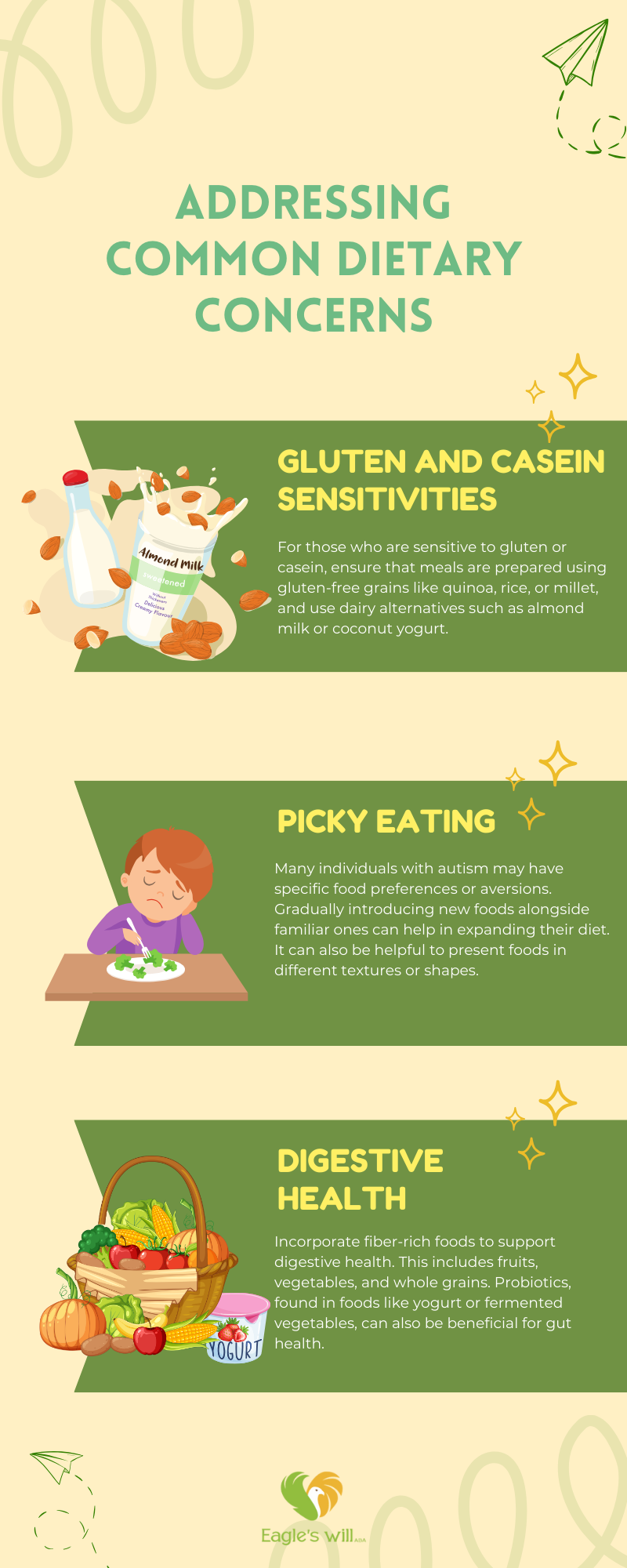
Consider the case of a young boy who thrived on a strict gluten-free, casein-free diet but still struggled with focus and digestion. His parents discovered that his symptoms improved dramatically when they introduced probiotics to support gut flora—a revelation that underscored the gut-brain axis’s role in autism. This interplay between diet and neurology isn’t just anecdotal; emerging science highlights how gut bacteria influence behavior, mood, and even social engagement. The challenge, then, is to craft a nutritional strategy that harmonizes these elements without turning mealtime into a battleground.
Sensory Sensitivities: When Food Becomes an Obstacle Course
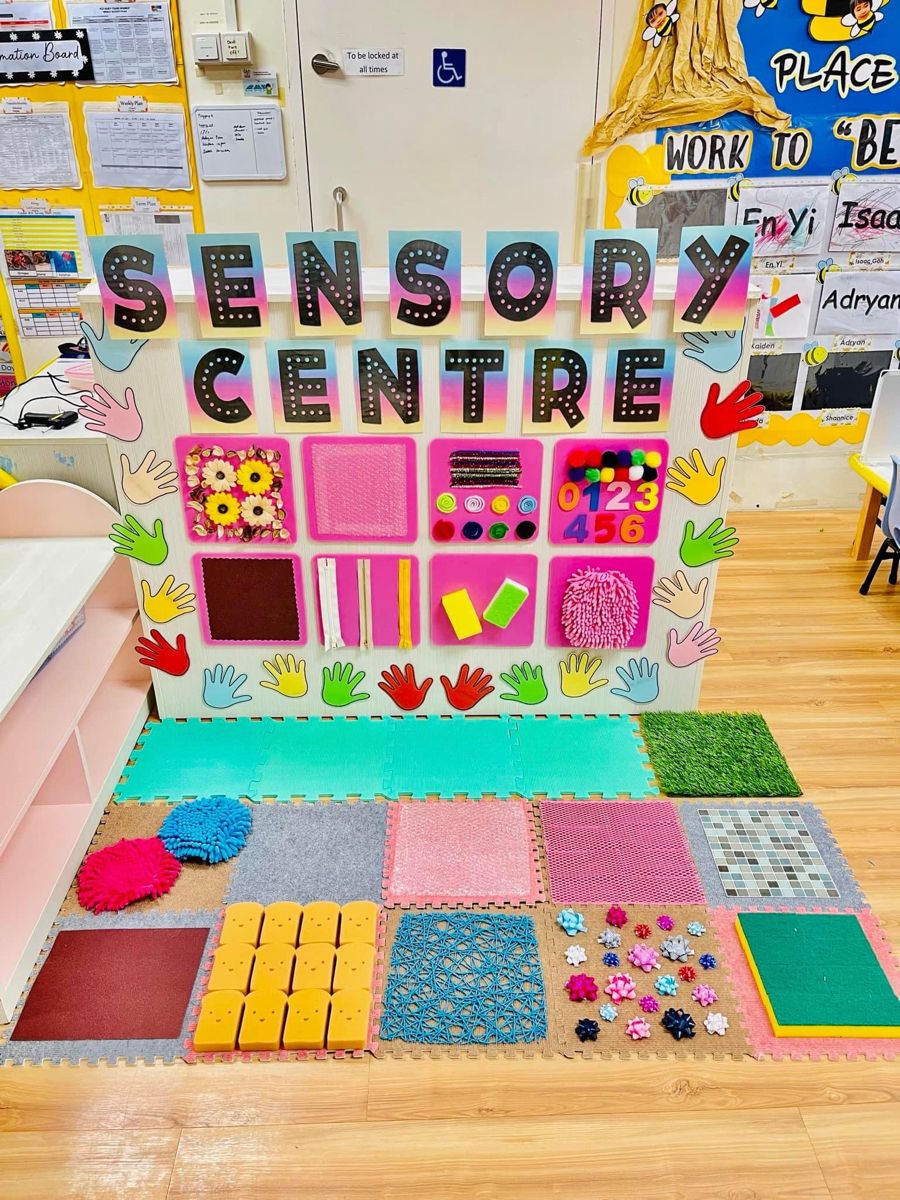
For many children with autism, the texture, smell, or even color of food can trigger a visceral reaction. A mushy banana might be a delightful snack for one child, while another recoils at the mere sight of it. These sensory sensitivities aren’t trivial—they can dictate entire meal plans, leaving parents in a constant cycle of trial and error. The key lies in understanding that these aversions aren’t about stubbornness; they’re neurological. The brain’s sensory processing centers, which govern how we interpret touch, taste, and smell, often operate differently in autistic individuals. This can lead to an exaggerated response to certain foods, turning a simple lunch into a high-stakes negotiation.
So, how do we navigate this culinary minefield? One approach is to introduce new foods gradually, using the “one-bite rule” or pairing unfamiliar items with beloved favorites. For example, blending spinach into a smoothie with familiar fruits can mask the taste while still delivering essential nutrients. Another strategy is to focus on the “safe foods” that a child already enjoys and build from there. If a child loves crunchy textures, incorporating rice cakes or veggie straws can provide a nutrient-dense alternative to less healthy options. The goal isn’t perfection—it’s progress, one small step at a time.
The Gut-Brain Connection: A Hidden Lever for Change
Imagine a world where the bacteria in your gut could influence your child’s ability to focus, regulate emotions, or even sleep through the night. It’s not science fiction—it’s the gut-brain axis, a complex communication network linking the digestive system to the central nervous system. In autistic individuals, this axis is often disrupted, with imbalances in gut flora contributing to inflammation, digestive distress, and even behavioral challenges. The good news? Diet can be a powerful tool for restoring balance. Probiotics, prebiotics, and fiber-rich foods can nurture a thriving microbiome, while processed foods and artificial additives may exacerbate inflammation.
But here’s where it gets tricky: not all probiotics are created equal. Strains like Lactobacillus rhamnosus and Bifidobacterium longum have shown promise in reducing anxiety and improving social behaviors, but the wrong strain or dosage could do more harm than good. Similarly, fermented foods like sauerkraut and kefir can be gut-friendly, but their strong flavors might be a dealbreaker for a child with sensory sensitivities. The solution? Start small. A daily spoonful of yogurt with live cultures or a probiotic gummy can be a gentle introduction. Pair this with prebiotic foods like bananas, oats, and garlic to feed the good bacteria, creating a symbiotic relationship that supports both gut and brain health.
Supplements: The Double-Edged Sword
In an ideal world, every child would get all the nutrients they need from a balanced diet. Reality, however, often paints a different picture. Picky eating, digestive issues, and increased nutrient demands can leave gaps that supplements fill. But with aisles overflowing with vitamins, minerals, and herbal remedies, how do you choose what’s right? The first step is to consult a healthcare provider, ideally one versed in both autism and nutrition. A simple blood test can reveal deficiencies in vitamin D, zinc, or B vitamins, while a comprehensive stool analysis might uncover gut imbalances. Armed with this data, you can tailor a supplement regimen to address specific needs.
Yet, even the most carefully curated supplement stack can backfire if not implemented thoughtfully. For instance, iron supplements, while crucial for some, can cause constipation or nausea if taken in excess. Magnesium, though beneficial for calming the nervous system, may lead to diarrhea if the wrong form (like magnesium oxide) is used. The key is to start low and slow, monitoring for any adverse reactions. Liquid or powdered forms can be easier to adjust than pills, and combining supplements with meals can improve absorption and reduce side effects. And remember: supplements are just that—supplementary. They’re not a magic bullet, but a piece of the puzzle in a larger nutritional strategy.
Meal Planning with Purpose (and a Dash of Creativity)
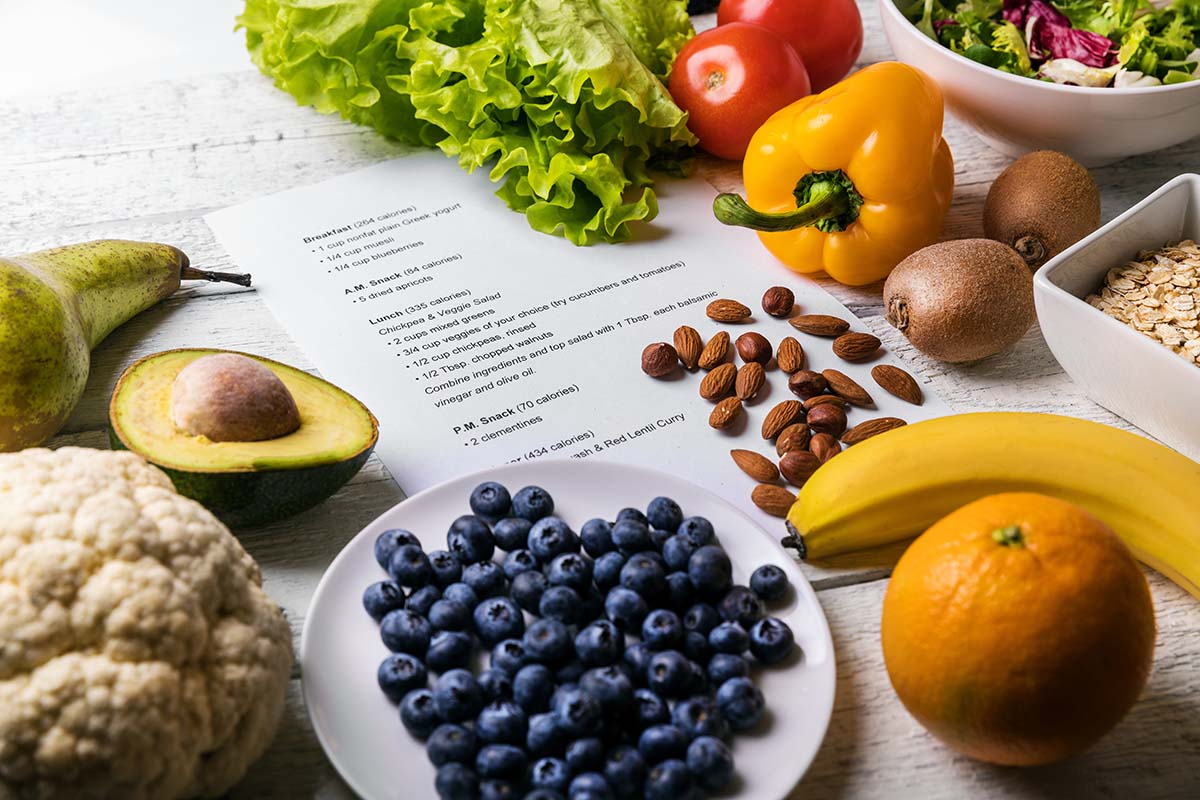
Creating a meal plan for a child with autism isn’t about adhering to rigid rules; it’s about crafting a flexible roadmap that balances nutrition, sensory preferences, and practicality. Begin by identifying the “power foods” that pack a nutritional punch without triggering aversions. For example, avocados are rich in healthy fats and fiber, while sweet potatoes offer a gentle source of complex carbohydrates and vitamin A. Smoothies can be a lifesaver, blending spinach, frozen berries, and almond milk into a nutrient-dense drink that’s easy to consume. Meanwhile, finger foods like cucumber slices, cheese cubes, or roasted chickpeas provide protein and crunch without the fuss of utensils.
Incorporating variety doesn’t have to mean overhauling the entire menu. Small tweaks can make a big difference. Swap white rice for quinoa, or trade chicken nuggets for baked chicken tenders coated in almond flour. Use cookie cutters to shape sandwiches into stars or dinosaurs, turning mealtime into a playful experience. And don’t underestimate the power of presentation—arranging food in a visually appealing way can make it more enticing. A plate of colorful veggies arranged like a rainbow or a bowl of yogurt topped with granola and berries can transform a mundane meal into an adventure.
Navigating the Social Landscape of Food
Food isn’t just fuel—it’s a social experience, a shared ritual that binds families and communities. For children with autism, however, the social aspects of eating can feel overwhelming. Birthday parties, school lunches, and family gatherings often revolve around foods that may not align with their dietary needs or sensory preferences. The pressure to conform can lead to stress, meltdowns, or even isolation. So, how do we strike a balance between inclusion and individuality?
The answer lies in preparation and communication. Before attending an event, discuss the menu with your child, using social stories or visual aids to prepare them for what to expect. Pack familiar snacks or a small meal if necessary, ensuring they have something safe and satisfying to eat. At home, create your own traditions—whether it’s a weekly “taco night” with customizable toppings or a monthly “international food night” where you explore cuisines from around the world. The goal isn’t to eliminate challenges but to build resilience and confidence in navigating them.
Beyond the Plate: Lifestyle Factors That Matter
Nutrition isn’t just about what’s on the plate—it’s also about the environment in which food is consumed. Hydration, for instance, is often overlooked but critical for cognitive function and digestion. Many children with autism struggle to drink enough water, leading to dehydration and its associated symptoms like fatigue and irritability. Infused water with fruits like berries or cucumber can make hydration more appealing, while herbal teas (caffeine-free, of course) offer a soothing alternative. Meanwhile, establishing a consistent eating schedule can regulate blood sugar levels, reducing mood swings and energy crashes.
Sleep and physical activity also play starring roles in the nutritional narrative. Poor sleep can exacerbate sensory sensitivities and appetite irregularities, while regular exercise—even in small doses—can improve digestion, reduce anxiety, and enhance overall well-being. A simple walk after dinner or a dance party in the living room can double as both movement and bonding time. The takeaway? Nutrition is a holistic endeavor, one that thrives when all aspects of a child’s lifestyle are considered.
As the sun sets on another day of carefully curated meals and mealtime negotiations, it’s worth reflecting on the progress made—not just in terms of nutrients consumed, but in the resilience and adaptability cultivated along the way. Autism and nutrition are a dance, one that requires patience, creativity, and an unwavering commitment to understanding the unique needs of each child. It’s not about perfection; it’s about progress, one bite at a time. And perhaps, in the process, we’ll discover that the greatest nourishment of all comes not from a plate, but from the love and intention woven into every meal shared.