Autism spectrum disorder (ASD) presents a labyrinth of challenges and opportunities in modern medicine. Unlike conventional one-size-fits-all approaches, personalized medicine emerges as a beacon of hope, offering tailored interventions that respect the uniqueness of each individual. This paradigm shift is not merely about adjusting dosages or tweaking therapies—it’s about reimagining care through the lens of genetic, environmental, and neurobiological diversity. For parents, caregivers, and individuals navigating the complexities of autism, understanding how personalized medicine can be harnessed is not just informative; it’s transformative. This article explores the multifaceted landscape of autism and personalized medicine, illuminating the pathways to more precise, effective, and compassionate care.
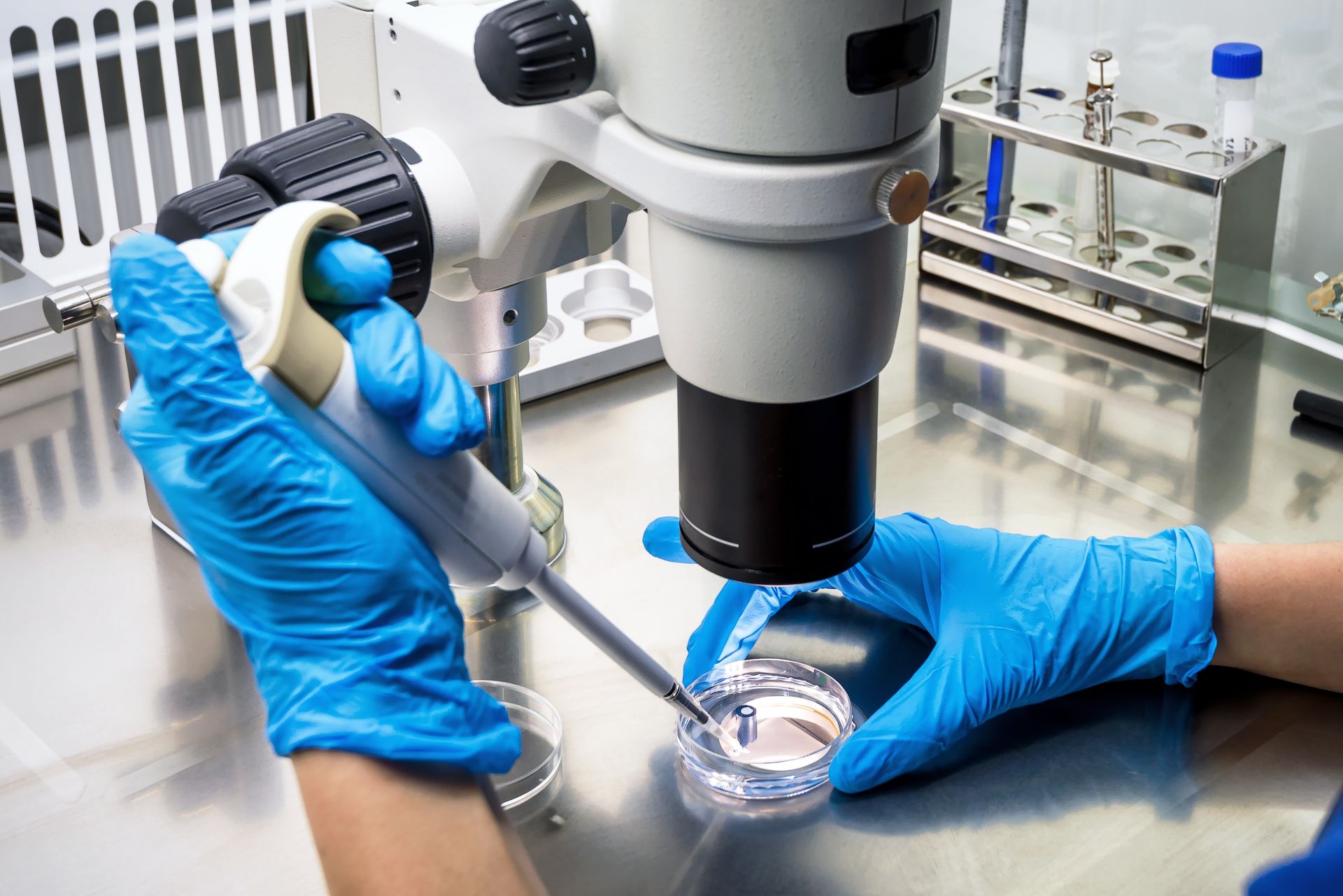
The Genetic Tapestry of Autism: Unraveling Individual Differences
At the heart of personalized medicine lies the recognition that autism is not a monolith but a constellation of genetic variations. Each individual with ASD carries a unique genetic blueprint, influencing their sensory sensitivities, cognitive strengths, and behavioral patterns. Advances in genomic sequencing have uncovered rare and common genetic mutations linked to autism, such as those in the SHANK3 or CHD8 genes, which can inform targeted interventions. For instance, a child with a mutation in the PTEN gene may benefit from early dietary modifications or metabolic therapies, while another with FOXP2 alterations might respond better to speech and language interventions tailored to their specific neurobiological profile.
Beyond single-gene mutations, polygenic risk scores are gaining traction. These scores aggregate the effects of multiple genetic variants to predict an individual’s likelihood of developing certain traits or responding to specific treatments. For families, this means the potential to anticipate challenges—such as gastrointestinal issues or epilepsy—and proactively tailor interventions. The shift from broad-spectrum therapies to gene-informed strategies marks a pivotal evolution in autism care, where precision is not a luxury but a necessity.
Biomarkers and Neuroimaging: The Silent Language of Autism
Personalized medicine thrives on biomarkers—objective indicators of biological processes that can guide treatment decisions. In autism, biomarkers span a spectrum from blood-based markers like cytokines (which reflect immune system activity) to neuroimaging signatures that reveal atypical connectivity in brain networks. For example, elevated levels of pro-inflammatory cytokines such as IL-6 or TNF-alpha in a child’s bloodstream may signal an overactive immune response, prompting a trial of anti-inflammatory diets or targeted immunotherapies. Meanwhile, functional MRI scans can identify hyperconnectivity in sensory regions, suggesting that sensory integration therapies might be particularly beneficial for that individual.
Emerging technologies like EEG-based brainwave analysis are also paving the way for real-time, personalized interventions. By monitoring neural patterns, clinicians can detect moments of sensory overload or cognitive fatigue, allowing for adaptive strategies—such as adjusting environmental stimuli or providing calming sensory tools—on the fly. These biomarkers are not static; they evolve with the individual, enabling dynamic, responsive care that grows alongside the person with autism. The integration of such data-driven insights into clinical practice is redefining what it means to treat autism with precision.

Nutrition and the Microbiome: Fueling Neurodiversity
The gut-brain axis has emerged as a cornerstone of personalized medicine for autism. Research increasingly links the gut microbiome—the trillions of microorganisms residing in the digestive tract—to neurological function, behavior, and even social cognition. Individuals with autism often exhibit distinct microbial profiles, characterized by reduced diversity and an overrepresentation of certain bacteria like Clostridia species. These imbalances may contribute to gastrointestinal distress, which is prevalent in up to 90% of autistic individuals, and could exacerbate behavioral symptoms.
Personalized nutrition strategies leverage these insights. For some, a gluten-free, casein-free diet may alleviate symptoms by reducing inflammation triggered by specific peptides. For others, targeted probiotic strains—such as Bifidobacterium longum or Lactobacillus rhamnosus—may restore microbial balance and improve mood regulation. Fecal microbiota transplants (FMT) and microbiome-targeted therapies are also being explored, offering radical new avenues for those with severe dysbiosis. The key lies in individualized testing: comprehensive stool analyses, organic acid tests, and even breath tests for methane production can reveal metabolic quirks unique to each person, guiding dietary and supplemental interventions with unprecedented specificity.
Behavioral and Sensory Interventions: Crafting Unique Support Plans
While biomedical approaches garner attention, the behavioral and sensory dimensions of autism demand equal personalization. Applied Behavior Analysis (ABA) has long been a staple, but modern iterations emphasize individualized goals, such as enhancing communication in a nonverbal child or reducing self-injurious behaviors in someone with high sensory pain thresholds. Personalized ABA programs incorporate the individual’s strengths—whether a penchant for visual learning or a deep interest in trains—to create motivating, meaningful interventions.
Sensory integration therapy is another arena where personalization shines. Occupational therapists now use tools like the Sensory Profile to map each person’s unique sensory preferences and aversions. A child who is hypersensitive to sound might benefit from noise-canceling headphones paired with gradual exposure therapy, while another who seeks deep pressure could thrive with weighted blankets or compression garments. Technology is also playing a role: virtual reality environments can simulate real-world sensory challenges in a controlled setting, allowing for tailored desensitization strategies. The goal is not to “normalize” sensory experiences but to equip individuals with the tools to navigate their world on their own terms.
Pharmacogenomics: Matching Medications to Metabolism
Pharmacogenomics—the study of how genes affect drug response—is revolutionizing medication management in autism. Many individuals with ASD are prescribed psychotropic medications like risperidone or aripiprazole to manage aggression or irritability, yet response rates vary widely. Genetic testing can reveal whether a person metabolizes these drugs efficiently or is at risk for adverse effects. For example, variations in the CYP2D6 gene can predict whether an individual will break down medications too quickly (rendering them ineffective) or too slowly (increasing toxicity risk). Armed with this knowledge, clinicians can adjust dosages or select alternative medications with higher compatibility.
Beyond psychotropics, personalized pharmacology extends to supplements. Magnesium glycinate, for instance, may calm hyperactivity in one child but cause drowsiness in another, depending on their metabolic pathways. Even over-the-counter options like melatonin for sleep disorders can be optimized through genetic insights, ensuring the right dose and timing for each individual. This level of precision minimizes trial-and-error prescribing, reducing frustration for families and improving outcomes.
Ethical Considerations and the Future of Autism Care
As personalized medicine in autism advances, ethical questions loom large. Who decides which genetic variations warrant intervention? How do we balance the pursuit of “normalization” with the celebration of neurodiversity? The answer lies in a collaborative, person-centered approach. Personalized medicine should empower individuals with autism to lead fulfilling lives, not conform to societal expectations. This means respecting autonomy—whether that’s choosing to prioritize communication skills over social conformity or embracing sensory differences as part of one’s identity.
The future of autism care is not just personalized; it’s participatory. Emerging technologies like artificial intelligence and machine learning are enabling the analysis of vast datasets to predict treatment responses with increasing accuracy. Wearable devices, such as smartwatches that monitor heart rate variability or skin conductance, can provide real-time feedback to caregivers, alerting them to potential stressors before they escalate. Telemedicine platforms are also democratizing access to specialized care, allowing families in remote areas to consult with autism experts without the burden of travel.

Yet, the most profound shift may be cultural. Personalized medicine challenges the notion that autism requires “fixing.” Instead, it reframes autism as a mosaic of traits that can be understood, supported, and even harnessed. A child with exceptional pattern recognition might excel in data analysis; another with deep focus could thrive in artistic pursuits. The role of personalized medicine is not to erase these differences but to provide the scaffolding for individuals to build their own paths to success.
For families embarking on this journey, the path forward is illuminated by knowledge, collaboration, and hope. By embracing the principles of personalized medicine—genetic insights, biomarker tracking, tailored nutrition, and adaptive therapies—each individual with autism can receive care as unique as they are. The future is not about finding a universal solution but about crafting a thousand individual ones, each a testament to the power of precision and the beauty of diversity.