The hushed echoes of whispered prayers, the flicker of candlelight casting long shadows, the scent of incense mingling with the quiet rustle of fabric—places of worship are meant to be sanctuaries of solace, reflection, and connection. Yet, for individuals on the autism spectrum, these sacred spaces can often feel overwhelming, disorienting, or even alienating. The cacophony of voices, the glare of fluorescent lights, the rigid social expectations—each element can transform a place of spiritual refuge into a labyrinth of sensory and emotional challenges. But what if these very spaces could be reimagined, not as barriers, but as bridges? What if houses of worship could become inclusive havens where neurodiversity is not just accommodated but celebrated? The journey toward accessibility in religious services is not merely about compliance; it is a profound transformation of perspective—one that promises to enrich the spiritual lives of all who enter.
The Unseen Barriers: Sensory Overload in Sacred Spaces
For many autistic individuals, the sensory landscape of a traditional worship service is a minefield. The hum of an air conditioning unit, the scent of perfume worn by congregants, the rhythmic clapping during hymns—each stimulus can cascade into a tidal wave of discomfort. Bright lights, often designed to illuminate grand architecture, can feel like daggers to the eyes. The unpredictability of social interactions, from forced handshakes to unspoken expectations of eye contact, can create a sense of alienation. These barriers are not merely inconveniences; they are silent excluders, whispering to neurodivergent worshippers that they do not belong.
Consider the experience of a child with autism attending a Sunday service. The pews, rigid and unyielding, offer no respite from the sensory assault. The sermon, delivered in a monotone voice, lacks the cadence that might hold their attention. Meanwhile, the congregation’s collective gaze feels like a spotlight, scrutinizing every fidget, every stimming motion. The result? A child who once found joy in spirituality now associates worship with distress. This is not a failure of faith but a failure of design—a design that has long prioritized tradition over inclusion.
Rethinking the Architecture of Belonging
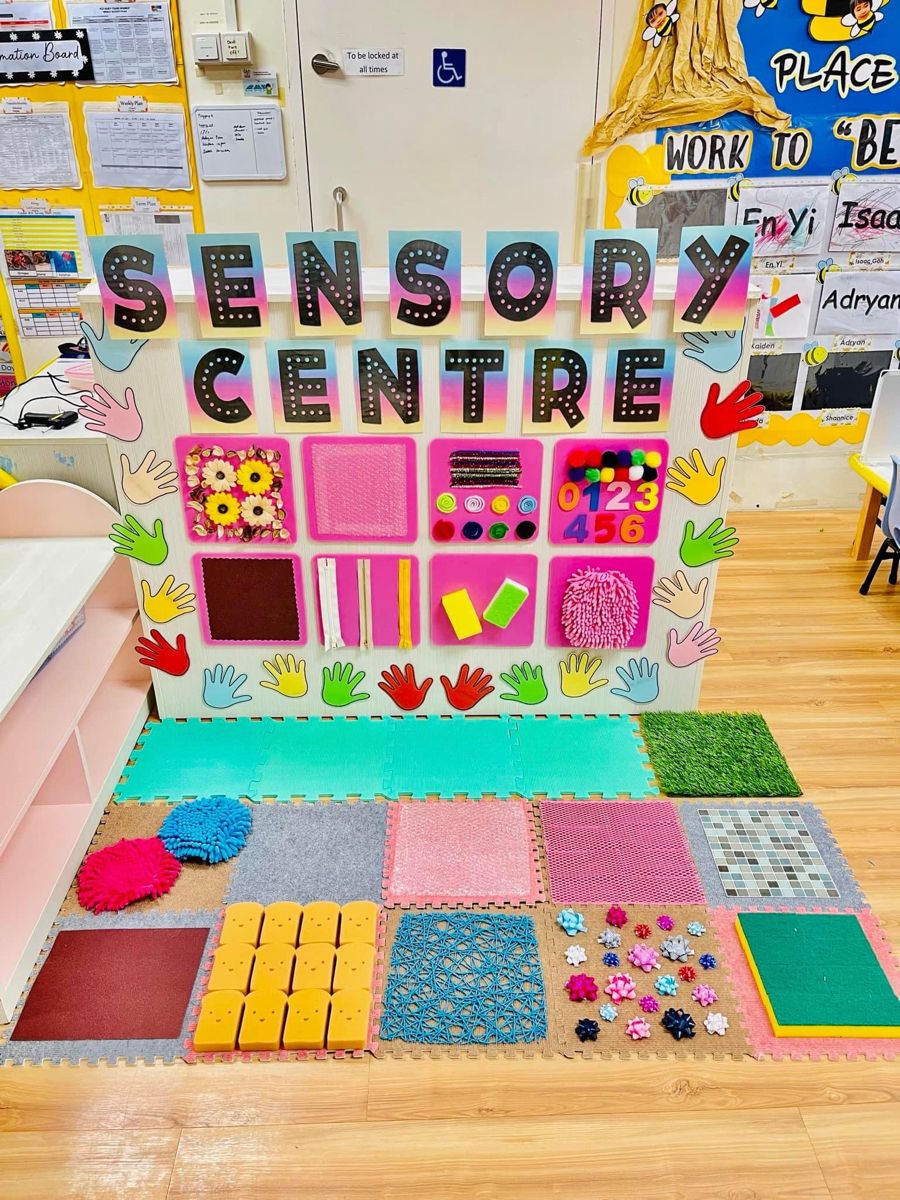
The first step toward accessibility lies in reimagining the physical and sensory environment of places of worship. Architects and religious leaders are beginning to collaborate on designs that prioritize neurodiversity. Quiet rooms, equipped with soft lighting and sound-dampening materials, offer a sanctuary within a sanctuary. These spaces are not afterthoughts but intentional havens where individuals can retreat when the sensory load becomes unbearable. Some congregations have introduced “sensory-friendly” services, where lights are dimmed, sounds are softened, and the pace of the service is deliberately slower. These adjustments are not concessions; they are acts of radical hospitality.
Beyond physical modifications, the layout of worship spaces can be rethought. Circular seating arrangements, for instance, reduce the pressure of facing a congregation, while flexible seating options allow individuals to move freely without drawing attention. The use of natural light, warm wood tones, and textured fabrics can create a calming atmosphere that contrasts sharply with the sterile, echoing halls of traditional sanctuaries. These changes are not about diluting the sacred; they are about amplifying its accessibility.
The Power of Predictability: Structured Rituals and Clear Communication
Autistic individuals often thrive in environments with clear structure and predictable routines. For many, the unpredictability of religious services—unannounced hymns, impromptu announcements, or sudden shifts in tone—can be deeply unsettling. To counter this, some places of worship have adopted “social stories” or visual schedules that outline the sequence of events in a service. These tools demystify the experience, transforming anxiety into anticipation. Imagine a bulletin board near the entrance displaying icons of a hymn book, a sermon, and a closing prayer. Such visual aids are not infantilizing; they are empowering, offering a roadmap to a spiritual journey that feels safe and navigable.
Additionally, clear communication extends to the language used in sermons and prayers. Metaphors and abstract concepts, while poetic, can be confusing for those who think in concrete terms. Religious leaders are increasingly adopting plain-language preaching, breaking down complex ideas into digestible segments. This shift does not diminish the depth of the message; it ensures that the message is accessible to all minds, regardless of cognitive style. The result is a congregation that is not only diverse in background but also in neurology.
Community as a Catalyst: Training and Empathy
Accessibility in places of worship is not solely the responsibility of architects or clergy; it is a communal endeavor. Training sessions for congregants can foster empathy and understanding, transforming passive observers into active allies. Workshops on neurodiversity, led by autistic individuals or experts, can dismantle myths and replace them with genuine insight. For example, teaching congregants that stimming—a repetitive movement or sound—is a self-regulating behavior, not a lack of respect, can shift perceptions overnight. When a child flaps their hands during prayer, instead of drawing stares, they might receive a nod of recognition, a silent acknowledgment that they are exactly where they need to be.
Moreover, inclusive communities actively seek out the voices of autistic individuals in shaping worship experiences. Advisory councils composed of neurodivergent members can provide feedback on what works and what doesn’t. Their input is invaluable, ensuring that changes are not performative but purposeful. This collaborative approach turns accessibility from a top-down mandate into a bottom-up movement, one that reflects the true spirit of communal worship.
Technology as a Bridge, Not a Barrier
In an era where technology permeates every aspect of life, places of worship are leveraging digital tools to enhance accessibility. Augmented reality (AR) apps can provide real-time translations of sermons for those who are nonverbal or use alternative communication methods. Virtual reality (VR) can offer immersive previews of services, allowing individuals to familiarize themselves with the space and flow before attending in person. Even simple innovations, like QR codes linked to audio descriptions of stained-glass windows or tactile models of religious artifacts, can make worship more inclusive.
Digital platforms also enable remote participation, a game-changer for those who face mobility challenges or severe sensory sensitivities. Livestreamed services, captioned videos, and interactive online communities ensure that no one is excluded from the spiritual life of the congregation. Technology, when used thoughtfully, can dissolve the boundaries between the sacred and the accessible, creating a worship experience that is as boundless as the faith it serves.
The Ripple Effect: Beyond the Sanctuary Walls
The shift toward neurodiversity-inclusive worship does not end at the church doors or synagogue steps. It radiates outward, challenging societal norms and redefining what it means to belong. When a child with autism experiences a place of worship as a safe space, they carry that sense of belonging into every aspect of their life. They learn that their needs matter, that their presence is valued, and that their voice deserves to be heard. This ripple effect extends to families, friends, and communities, fostering a culture of acceptance that transcends religious affiliation.
Moreover, the principles of accessibility in worship can inspire broader societal change. If a synagogue can redesign its space to accommodate sensory sensitivities, why can’t a classroom? If a mosque can train its congregation in neurodiversity, why can’t a workplace? The lessons learned in places of worship are universal, offering a blueprint for a more inclusive world. In this way, the journey toward accessible worship is not just about faith; it is about humanity.
The transformation of places of worship into inclusive spaces is more than a moral imperative; it is a testament to the evolving nature of faith itself. When we reimagine sacred spaces to welcome every mind, we affirm that spirituality is not a privilege reserved for the neurotypical. It is a universal right, as diverse as the individuals who seek it. The journey ahead requires courage, creativity, and a willingness to challenge the status quo. But the reward—a world where every person, regardless of neurology, can find solace, meaning, and connection in the heart of worship—is worth every effort. The sanctuary of the future is not a place of exclusion; it is a place of belonging, where every soul is met with understanding, and every prayer is heard.